A wildlife safari vacation doesn't just show you the world—it changes how you see it.
Few travel experiences come close to the feeling of watching wild animals move freely across an open landscape, completely indifferent to your presence.
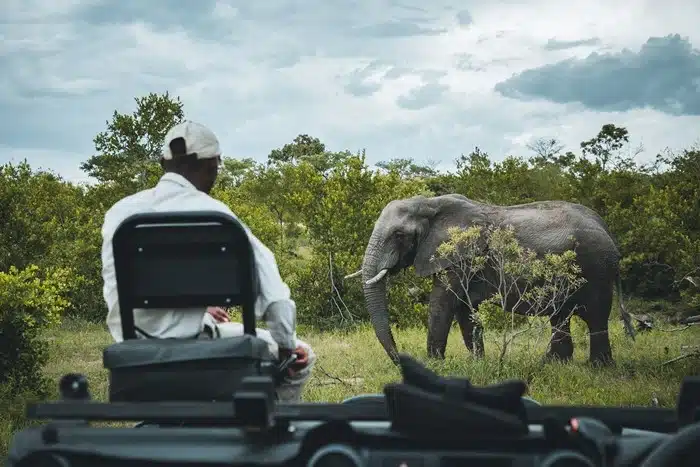
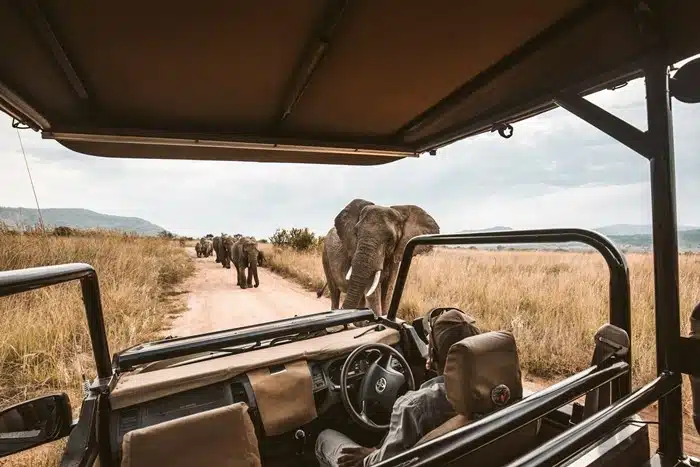
This isn't the kind of trip you forget. The held breath before a lion lifts its head, the hush that falls when elephants cross the track—these moments don't fade the way hotel names and flight numbers do.
What makes safari so different from other travel isn't just the wildlife. It's the unpredictability, the sensory immersion, and the way it forces you into the present moment in a way that's almost impossible to replicate elsewhere.
If you've ever wondered why safari travelers come home fundamentally changed—and why so many go back—the reasons are more layered than you might expect.
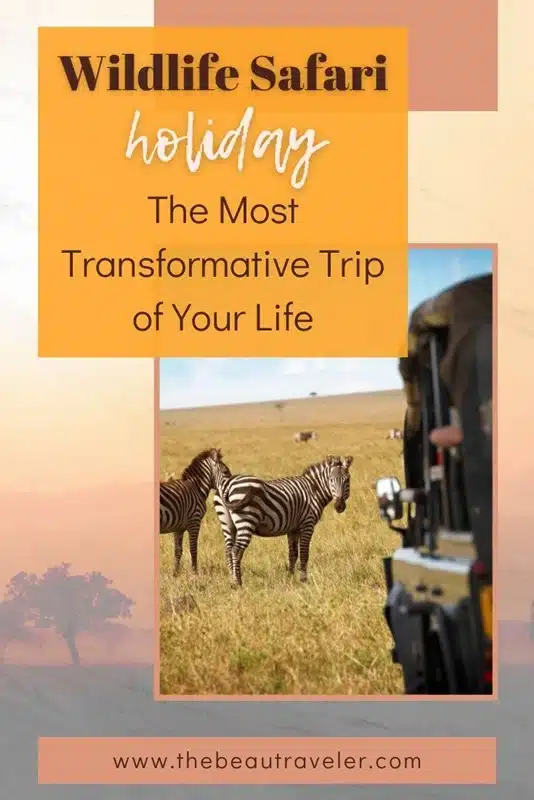
Wildlife Safari Holiday: The Most Transformative Trip of Your Life
Source: Unsplash.
Uncertainty creates stronger memories
Most travel is structured. You know the museum will be open at 10, the train leaves at 14:05, the restaurant has a reservation under your name.
Safari runs on a different clock. You can spend an hour following fresh tracks and see nothing—then, in a minute, everything changes.
That unpredictability matters. Cognitive research consistently suggests that novel experiences and emotionally charged moments are encoded more strongly in memory than routine ones.
On an safari, you’re often in a heightened state of attention: scanning, listening, interpreting. Your brain is busy, and it remembers what it’s busy doing.
Source: Unsplash.
Presence is unavoidable
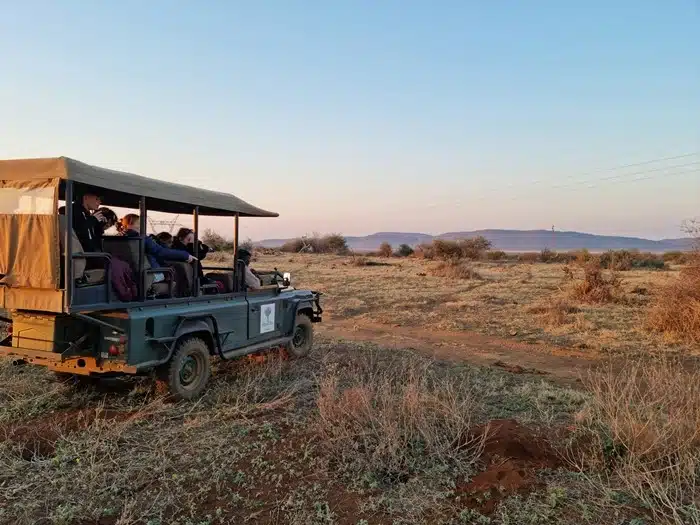
Safaris pull you out of autopilot. Even the small things require awareness: the way dust hangs behind the vehicle, the alarm call of a bird, the sudden shift in the wind that changes animal behavior.
You’re not half-watching a scene; you’re inside it.
And because the “reward” (a sighting) isn’t guaranteed, you tend to appreciate each piece of the puzzle—tracks, dung, broken branches, distant silhouettes. The journey becomes the experience, not just a checklist.
Source: Unsplash.
Wildlife encounters that feel personal, not packaged
One reason safaris feel so authentic is that the wildlife isn’t staged.
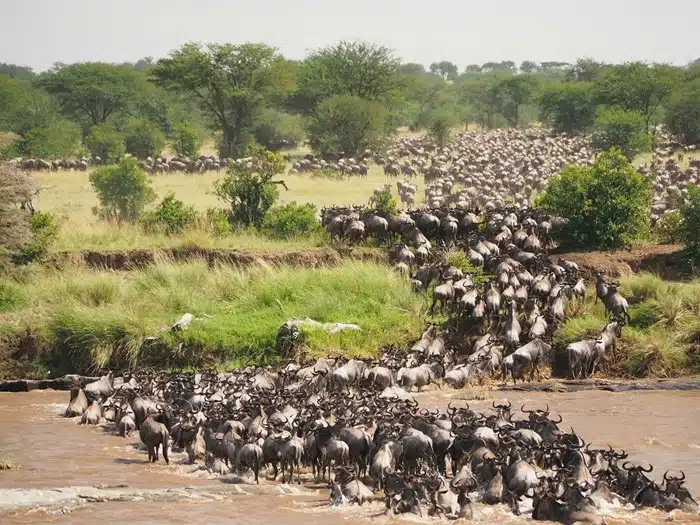
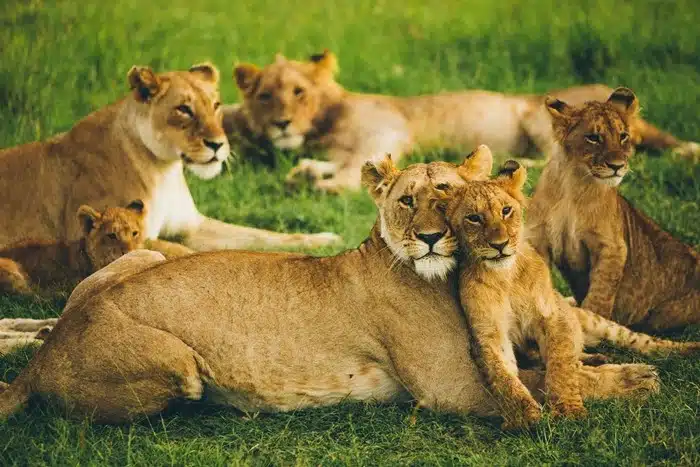
A leopard doesn’t appear because it’s feeding time. A migration doesn’t pause for your camera angle. You witness real behavior on real terms.
That shifts your role from consumer to observer. Instead of “doing an activity,” you’re being allowed into a world that continues with or without you. It’s humbling, and that humility often translates into deeper appreciation—and stronger recall.
Source: Unsplash.
The landscape is part of the story
People talk about “seeing the Big Five,” but the terrain is what makes those moments cinematic.
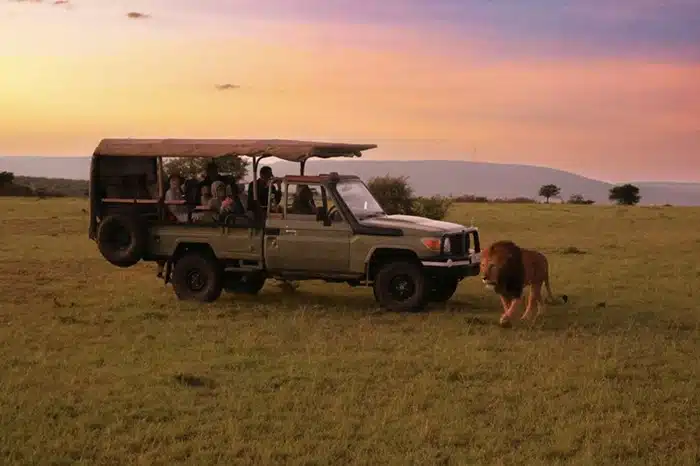
A lion on an open plain is one thing; a lion emerging from morning mist is something else entirely. Savanna, crater, woodland, riverine forest—each ecosystem has its own mood, its own light, its own soundtrack.
If you’re trying to understand why certain destinations become lifelong references (“That sunrise,” “That silence,” “That storm”), it’s because safaris offer a full sensory environment, not a single attraction.
Guides turn sightings into understanding
A great safari guide doesn’t just find animals; they translate what you’re seeing.
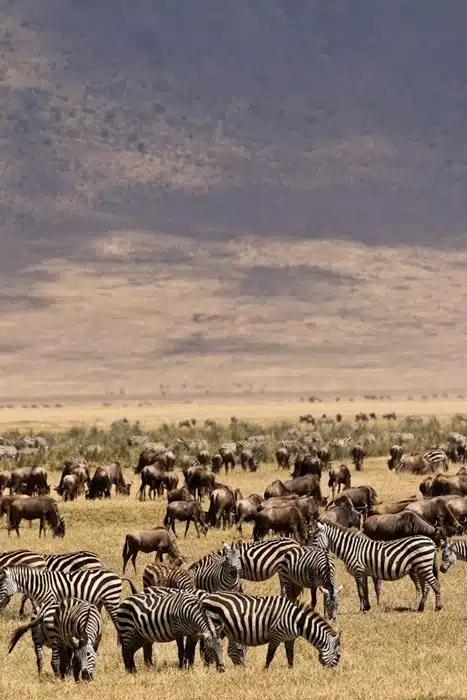
Why are the zebras grouped that way? What does it mean when impalas snort? Why are vultures circling so high? The best guides connect behavior to ecology, and ecology to the broader system.
That context is what changes a good trip into a meaningful one. It also explains why many travelers come home talking about relationships—predator and prey, water and migration, fire and renewal—rather than just photos.
Source: Unsplash.
Safari travel is increasingly conservation-linked
Across parts of Africa, wildlife tourism helps fund protected areas, supports anti-poaching efforts, and sustains jobs tied to keeping ecosystems intact.
The model isn’t perfect everywhere, and it’s worth being discerning. But the trend is clear: travelers are asking harder questions about impact, and operators are responding with more transparent conservation and community partnerships.
If you’re curious what a well-rounded route can look like—balancing iconic wildlife regions with varied landscapes—examples like big game safari circuit adventure journeys can help you visualize how different parks fit together, and why the “circuit” approach often creates a richer narrative than a single-stop safari.
What Makes a Safari Feel Transformative
Source: Unsplash.
The pace rewires how you notice the world
Safari days often start early, slow down at midday, then return to the field as the light softens. That rhythm is closer to natural cycles than modern schedules, and many people feel it in their bodies within days.
Sleep improves. Attention sharpens. You stop reaching for your phone because the scene in front of you is the scroll.
This is one of the least discussed benefits of safari travel: it gently forces a reset. Not through a program or a “wellness” package, but through immersion in a place where nature sets the terms.
Shared awe bonds people quickly
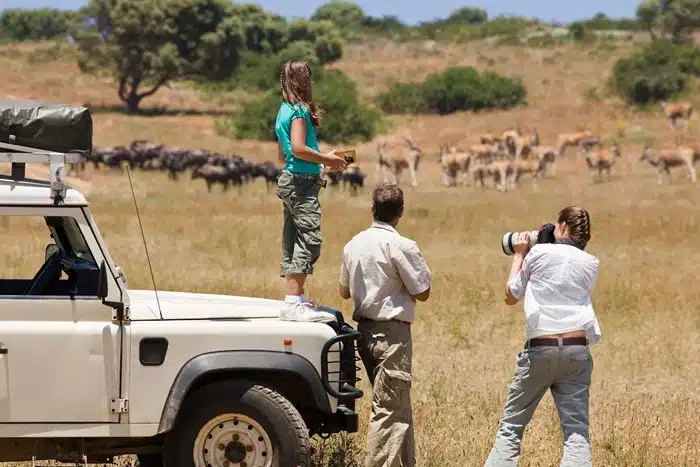
There’s something oddly intimate about watching wildlife with others. You’re quiet together, excited together, sometimes nervous together.
Even if you’re traveling with strangers, the shared focus creates instant camaraderie.
Everyone is a beginner in the same way. Everyone is learning. That shared discovery becomes a story you keep retelling—because it was truly collective.
How to make your safari memories even richer
Source: Unsplash.
You don’t need to be a photographer or a wildlife expert to get more out of the experience. A few simple choices make a big difference:
Stay longer in fewer places if you can. More nights often beat more kilometres; you learn patterns and increase your chances of witnessing behaviour, not just sightings.
Ask your guide “why?” more than “what?” Understanding the reason behind an animal’s movement or a bird’s call deepens the moment.
Embrace the quiet hours. Midday lulls and slow drives can feel unproductive—until they deliver the most unexpected encounters.
Take fewer photos than you think you should. A handful of intentional shots plus real observation often leaves you with stronger memories than a thousand near-identical frames.
Conclusion
Source: Unsplash.
The most memorable travel experiences usually share three traits: they’re immersive, unpredictable, and emotionally resonant. Wildlife safaris hit all three.
They don’t give you a polished performance; they invite you into a living system where weather, light, and animal instinct shape what happens next.
And that’s why, months or years later, safari memories don’t feel like a highlight reel. They feel like moments you lived—fully awake, slightly unsure, and completely present.
In a world that often feels over-designed, that kind of reality is rare. It’s also unforgettable.
Disclaimer:
This post may contain affiliate links. I receive a small commission at no cost to you when you make a purchase using my link.