Most travel advice starts with a plan. A spreadsheet, a savings goal, a someday that keeps getting pushed back.
But there's a stronger case for doing the opposite — for booking the flight before the itinerary exists. Understanding why spontaneous travel works means rethinking everything you've been told about how trips are supposed to happen.
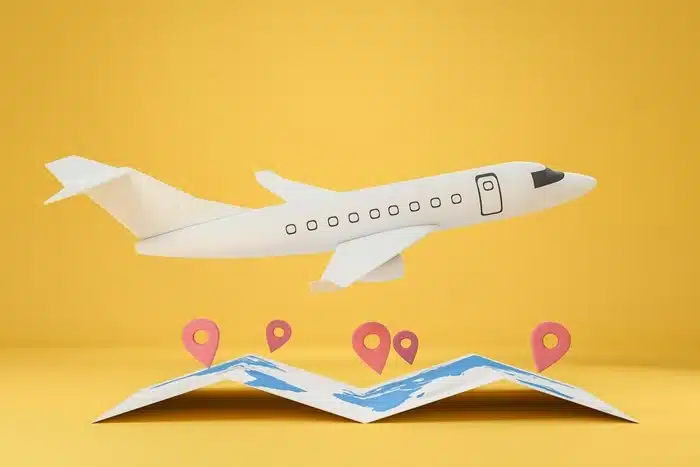
The logistics are more manageable than they look. Flexible search tools, fluctuating fares, and a willingness to let the price choose the destination can open up trips you'd never have thought to plan.
This post breaks down how to make last-minute travel actually work — and why it often turns out better than the kind you spent months organizing.
Prices fluctuate constantly, and last-minute gaps in seat inventory sometimes mean better fares than you'd find three months out.
Tools like flexible date searches let you scan an entire month at a glance, revealing windows of affordability that rigid planning would have you miss entirely.
Source: Unsplash.
Many seasoned travelers, for example, find cheap flights from Kiwi by using its flexible search features — setting a broad departure window instead of a fixed date and letting the calendar tell them when to go, rather than the other way around.
The destination can be equally flexible. Instead of committing to a city, try committing to a feeling: somewhere warm, somewhere I've never been, somewhere I can walk everywhere. Let the price guide you.
You might end up in Porto instead of Barcelona, or Tallinn instead of Prague — and often, you'll be glad you did.
What Spontaneous Travel Actually Teaches You
Planning gives you the comfort of control. Spontaneity gives you something harder to manufacture: adaptability.
When you don't have every hour mapped out, you're forced to engage with a place on its own terms. You wander. You ask locals. You end up in a small restaurant with no English menu and somehow have the best meal of the year.
Source: Unsplash.
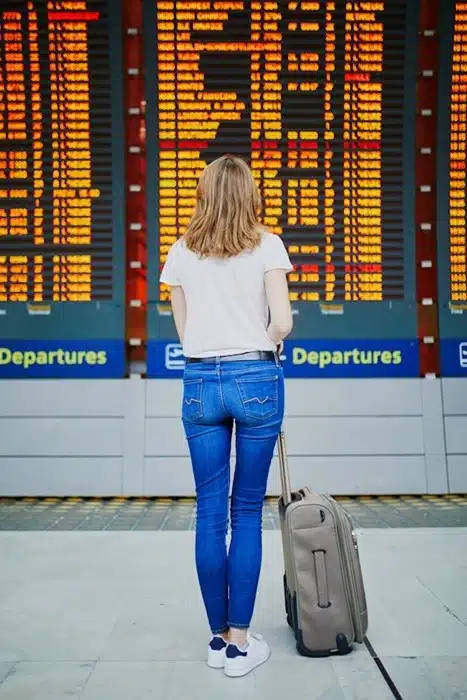
There's also something quietly liberating about sitting in an airport departure lounge knowing that, seventy-two hours ago, you had no idea you'd be there.
The ordinary rhythms of life — the routine, the responsibilities, the inbox — recede. You become, briefly, a person defined not by your schedule but by your curiosity.
The Perks of a Spontaneous Trip
You don't need to be wealthy or reckless to travel on short notice.
You need a valid passport, a flexible mindset, and the willingness to prioritize the trip over the planning. Set a rough budget. Pack light. Book the flight before you talk yourself out of it.
Conclusion
Source: Unsplash.
Spontaneous trips don't always go smoothly. But they go — and that's usually enough.
Understanding why spontaneous travel works isn't about romanticizing chaos. It's about recognizing that most of the barriers between you and a trip are ones you've built yourself.
Flights can be found. Accommodation sorts itself out. The meal with no English menu turns out to be the one you'll talk about longest.
The version of you sitting at that desk on a Tuesday afternoon is the same one who could be in an airport lounge by the weekend. The gap between those two things is smaller than it feels.
Start with the flights. See what's available. The rest has a way of falling into place.
Disclaimer:
This post may contain affiliate links. I receive a small commission at no cost to you when you make a purchase using my link.