Hair loss affects millions of people worldwide, and finding a treatment that actually works can feel overwhelming. Most products overpromise and underdeliver, leaving people frustrated and out of pocket.
Red light therapy for hair growth takes a different approach by working at the cellular level rather than just coating the scalp with chemicals. It uses specific wavelengths of light to target hair follicles directly, and the science behind it is more solid than most people expect.
This article breaks down exactly how the light interacts with follicles, what clinical research says about real-world results, and which types of hair loss respond best to treatment. The goal is to give you clear, honest information so you can decide if this method fits your situation.
Results do take time and consistency, but for the right candidate, the outcome can be genuinely worth it.
Hair Regrowth Treatment: Simple Method for Better Hair Growth
Source: Unsplash.
Mechanisms of Red Light Therapy for Hair Regrowth
Red light therapy acts on hair follicles at the cellular level. It increases cell energy, supports blood flow in the scalp, and reduces inflammatory signals that disrupt the hair cycle.
Cellular Stimulation and ATP Production
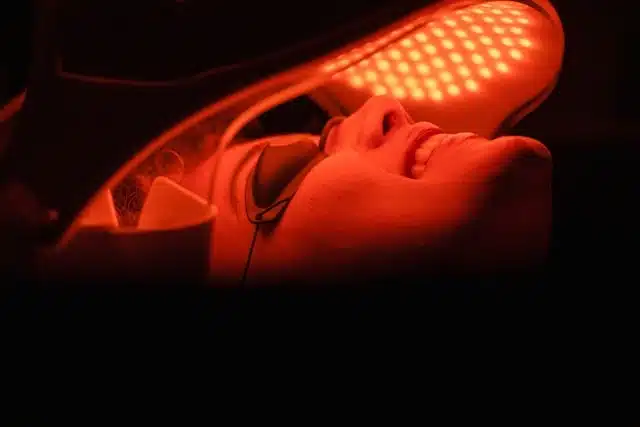
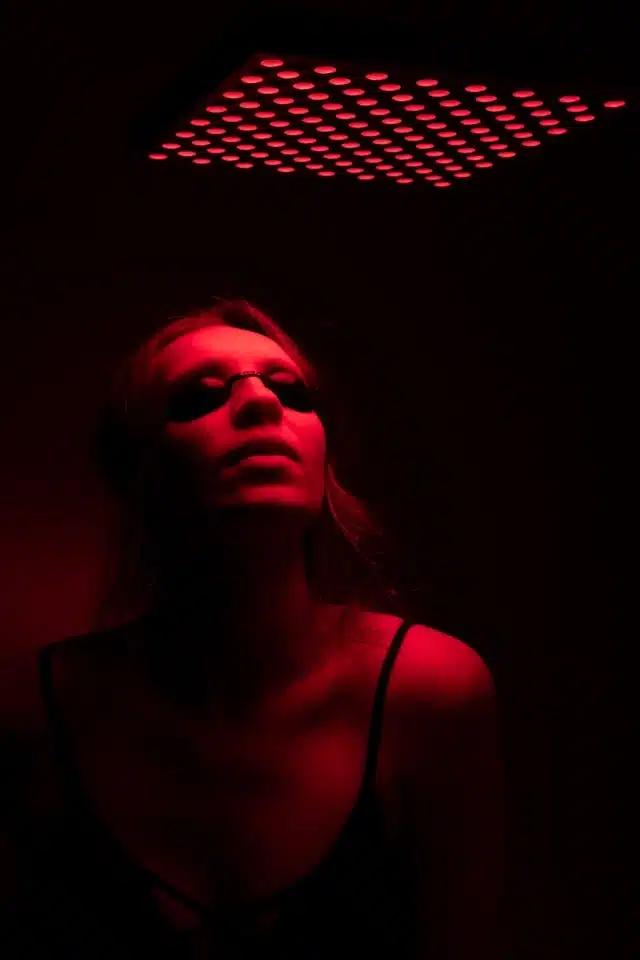
Red light therapy uses low-level light, often near 650 nm, to reach the scalp and hair follicles. The light penetrates the skin and interacts with mitochondria inside cells. Mitochondria produce adenosine triphosphate, or ATP, which cells use as fuel.
Higher ATP levels help follicle cells work more efficiently. As a result, follicles may shift from a resting phase into an active growth phase. Research that examined gene activity in treated follicles found changes linked to hair cycle control and cell repair.
A red light cap for thinning hair places light directly over areas with reduced density. This direct contact allows steady exposure across the scalp. Therefore, follicles receive consistent light energy that supports normal cell function.
Improvement of Scalp Circulation
Source: Unsplash.
Healthy hair growth depends on blood flow. Each follicle needs oxygen, amino acids, and trace minerals delivered through small blood vessels in the scalp.
Red light therapy promotes vasodilation, which means blood vessels widen. As a result, more blood can reach the follicle base. Better circulation helps deliver nutrients and remove waste products that can slow follicle activity.
In addition, improved blood flow may support thicker hair shafts over time. Follicles that receive a steady nutrient supply tend to produce stronger strands. This effect works best with regular sessions, since benefits decline after treatment stops.
Reduction of Inflammation
Source: Unsplash.
Inflammation around hair follicles can disrupt the normal hair cycle. Conditions such as androgenetic alopecia often show mild but persistent inflammatory signals in scalp tissue.
Red light therapy helps reduce certain inflammatory markers. It influences cell signaling pathways that control cytokines, which are proteins involved in the immune response. Lower inflammatory activity creates a more stable environment for follicles.
As a result, follicles may remain in the growth phase longer. Reduced inflammation also supports scalp comfort and barrier function. Therefore, light therapy addresses not only energy production and circulation, but also the local immune balance that affects regrowth.
Effectiveness of Red Light Therapy in Hair Restoration
Source: Unsplash.
Red light therapy shows modest but measurable results for pattern hair loss. Clinical studies report thicker hair shafts and higher hair counts after regular use, especially with devices that use 650 nm wavelengths.
Scientific Studies and Clinical Evidence
Several clinical trials support the use of low-level red light for androgenetic alopecia.
Research shows that 650 nm red light can stimulate hair follicles and increase hair density over time. In some studies, participants saw similar regrowth results to topical minoxidil.
Most trials follow patients for 16 to 26 weeks. During that time, researchers measure hair count, hair thickness, and scalp coverage. Many subjects report visible improvement compared to placebo devices.
However, evidence quality varies. Some reviews state that red light devices offer modest benefit and should not replace first-line treatments such as minoxidil or finasteride.
Instead, doctors often suggest red light therapy as an add-on treatment. As a result, patients who combine therapies may see faster or greater improvement than those who rely on one method alone.
Regrowth Results for Different Hair Loss Types
Source: Unsplash.
Red light therapy works best for androgenetic alopecia, also known as male or female pattern hair loss.
This condition affects up to 60 to 70 percent of adults worldwide. Studies show that people with mild to moderate thinning respond better than those with advanced bald areas.
Patients with early-stage hair loss often see thicker strands and reduced shedding after several months. In contrast, people with long-standing bald patches may see limited regrowth because inactive follicles do not easily reactivate.
Evidence for other types of hair loss, such as telogen effluvium or alopecia areata, remains limited. Doctors may still suggest red light therapy in select cases, but results vary. Therefore, accurate diagnosis plays a key role before treatment starts.
Protocols and Recommended Treatment Guidelines
Source: Unsplash.
Most at-home devices use red light in the 630 to 660 nm range. Patients typically use the device three to five times per week. Each session lasts about 10 to 20 minutes, depending on the design.
Consistency determines results. If a person stops treatment, new growth often slows or stops as well. Hair follicles need repeated exposure to maintain activity.
Dermatologists often advise patients to continue therapy for at least four to six months before they judge results.
In addition, doctors may combine red light therapy with approved medications to increase response. Safety profiles remain favorable, with few reported side effects such as mild scalp warmth or temporary redness.
Conclusion
Red light therapy supports hair regrowth by stimulating hair follicles, increasing blood flow, and extending the growth phase of the hair cycle.
Studies show that consistent use can lead to thicker hair and reduced shedding, especially in people with pattern hair loss. However, results depend on regular treatment and often improve with a combined plan that may include approved hair loss medications.
This therapy offers a noninvasive option with a strong safety record and few side effects. People who commit to steady sessions and follow medical advice tend to see the best outcomes.
Disclaimer:
This post may contain affiliate links. I receive a small commission at no cost to you when you make a purchase using my link.