If you already have a health policy in India, it is tempting to assume you are covered wherever you go within the country. That assumption can fail when you travel.
Travel and health insurance sounds similar to a mediclaim plan, but it is built for medical issues and trip disruptions when you are away from home. Knowing the difference helps you buy what you need.
Understanding health and travel insurance in India means recognizing that these are two separate products, each built for a different purpose. One protects your everyday medical needs at home, while the other steps in when something goes wrong on a trip.
In this article, you will find a clear breakdown of what each policy actually covers, where the gaps are, and how to choose the right one for your situation.
What to Know About Travel & Health Insurance in India
Source: Freepik.
Travel and Health Insurance in India: Why They Are Not the Same Product
Health insurance is designed around your regular healthcare expenses, usually within India, over a longer period.
Travel insurance is designed around a specific journey and focuses on sudden emergencies and travel-related mishaps that can happen while you are away.
The Easiest Way to Think About It
Health insurance covers treatment costs and related medical expenses associated with illness or injury.
Travel insurance covers medical emergencies abroad and non-medical issues that can derail your trip, such as baggage trouble or document loss.
Source: Depositphotos.
What Health Insurance Usually Covers in India
Health insurance is primarily meant to reduce the financial burden of planned and unplanned treatment. It often works through a network of hospitals for cashless care or through reimbursement, depending on your policy wording.
Common Inclusions You Will See
Most policies focus on hospitalization and the expenses connected to it, along with other defined benefits. Depending on the plan, you may see coverage for:
In-patient hospitalization and related medical costs
Pre-hospitalization and post-hospitalization expenses linked to that admission
Day care procedures that do not require a long stay
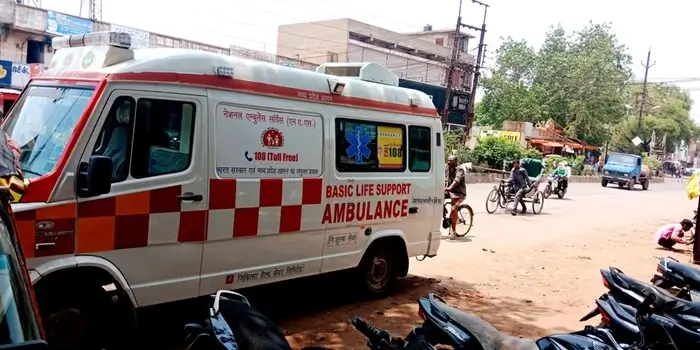
Ambulance charges, subject to policy terms
In some plans, recognized AYUSH treatment
What Health Insurance Does Not Solve During Travel
Even strong health insurance is not built to handle travel disruptions. It will not help if your checked-in baggage is delayed, if you need support because your passport is lost, or if your trip is cancelled at the last moment.
Delayed baggage costs can pile up without travel cover.
Lost passport support is not covered under the standard health policy.
Trip cancellation refunds are not part of medical cover.
Missed connections and hotel stays are usually your expense.
Source: Freepik.
What Travel Insurance Typically Covers on a Trip
Travel insurance is meant for a defined travel period and destination, with benefits that address both medical emergencies and journey risks.
It is particularly useful because overseas medical systems can be unfamiliar, and emergency support services matter as much as the bill itself.
Medical Protection While You Are Abroad
Travel plans typically include medical benefits for emergencies, not routine care. Depending on the plan and destination, you may see:
Emergency hospitalization and treatment abroad
Emergency dental treatment for sudden pain or injury
Medical evacuation or repatriation support, if medically required
Assistance services to guide you to nearby care facilities
Source: Freepik.
Travel Problems It Can Also Cover
A key reason travel insurance feels different is that it protects the trip itself. Many policies include benefits such as:
Trip cancellation or curtailment for covered reasons
These are the differences that actually change your real-life experience, especially when you are away from home and need help fast. Once you know them, choosing the right cover becomes much simpler.
Location and Duration
Regular health insurance is meant for ongoing protection in India. Travel insurance is usually valid only for the duration of your trip and the countries you visit.
What Triggers a Claim
Health insurance claims are mostly about covered medical treatment and hospitalization. Travel cover can trigger claims for emergencies abroad and non-medical issues such as document loss or baggage problems.
How Cashless Support Works
In India, cashless hospitalization usually depends on a network of hospitals and pre-authorization.
Overseas, travel medical cover commonly works through an assistance partner that coordinates treatment and, where available, arranges direct settlement.
Pre-Existing Conditions and Disclosures
Both types of policies can restrict claims for pre-existing conditions, depending on their definitions and exclusions. If you have an ongoing condition, disclose details accurately and read the relevant clauses before you travel.
Conclusion
Source: Depositphotos.
Health insurance and travel insurance are not competing products. They are built for different situations, and understanding that distinction is what helps you stay properly covered.
Your regular health policy handles ongoing medical care and hospitalisation within India. It was never designed to manage overseas emergencies, trip cancellations, or lost documents abroad.
Travel insurance fills exactly those gaps, stepping in when something disrupts your journey or requires urgent medical attention in an unfamiliar place. It also connects you to assistance services that your domestic policy simply does not offer.
Getting health and travel insurance in India right comes down to one straightforward principle: use each product for what it was actually built to do. Neither one replaces the other, and having both means you are covered at home and on the road.
Before your next trip, take a few minutes to review what your current policy actually covers and where it stops. The right travel insurance plan could make a significant difference when you need it most.
Disclaimer:
This post may contain affiliate links. I receive a small commission at no cost to you when you make a purchase using my link.