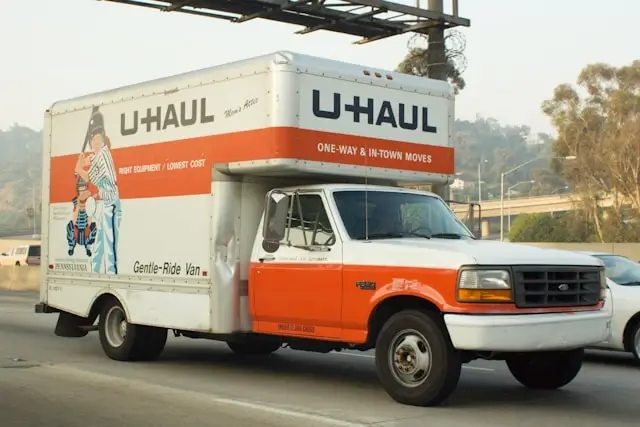
A long distance move exposes every weak packing choice. A box that survives a short ride across town can fall apart after hours on the road, repeated loading pressure, and several rounds of shifting inside a truck.
That is why packing for distance needs a different level of care. According to professionals who specialize in long-distance moving in GTA, the smartest way to reduce stress and protect your belongings is to pack with the full trip in mind, not just moving day.
Good packing does more than protect dishes and lamps. It protects your time on the other end.
The easier it is to sort, open, and settle in, the less exhausting the arrival feels. A clean system also helps if something goes missing or arrives damaged. In a long move, organization is not a nice extra. It is part of the job.
Do start early, even if the home does not look packed yet. Long-distance moves become chaotic when everything gets pushed into the final two days.
Packing in stages gives you room to make better choices. You can sort items properly, donate what no longer belongs in your next home, and avoid stuffing random things into random boxes at midnight.
Begin with low-use areas such as guest rooms, décor, bookshelves, storage closets, and seasonal items. That builds momentum without disrupting daily life. As moving day gets closer, work on the more active parts of the home.
Do not pay to move clutter. Distance increases the cost of bad decisions.
If an item is broken, outdated, rarely used, or easy to replace, think twice before wrapping it. Many people spend money boxing, hauling, and unboxing things they do not even want once they arrive.
Source: Freepik.
Use Materials That Match the Trip
Do use sturdy boxes in a few practical sizes instead of collecting a mountain of mismatched cartons.
Long hauls are hard on weak cardboard. Uniform boxes stack better, waste less space, and reduce the risk of cave-ins during transport. Small boxes are best for books, canned goods, tools, and other dense items.
Medium boxes handle most household items well. Large boxes should be saved for lighter belongings such as linens, pillows, and lampshades.
Do spend money on tape, packing paper, bubble wrap, mattress bags, and furniture covers if the move is substantial. These materials protect more than the item itself. They protect edges, corners, surfaces, and the outside of the box.
Packing paper is usually better than newspaper for dishes and glassware because it does not leave ink behind. Strong tape matters too. A weak seal can open at the worst possible moment.
Do not rely on overstuffed grocery boxes, aging liquor cartons, or half-torn storage boxes from the garage. They may look fine while sitting still. The road will test them quickly.
Do not use clothing, towels, and random soft goods as your only protective layer for fragile pieces either. They help as fillers, but they are not a substitute for real cushioning.
Source: Unsplash.
Pack by Weight, Shape, and Pressure
Do think like the truck. Boxes will be stacked, shifted, pressed from the sides, and moved more than once.
Heavy items belong in small boxes. Lighter items belong in larger ones. That simple rule prevents split bottoms and back strain. It also helps the load stay stable during transit.
Do build a firm base inside each box. Place heavier pieces at the bottom, lighter ones on top, and use filler so things do not rattle around.
Empty space is dangerous. It gives objects room to slam into each other. Good packing means the contents feel secure when you gently shake the box, not loose and noisy. Boxes should be full enough to hold their shape, but never swollen or bowed.
Do not mix very heavy and very delicate pieces in the same carton.
Do not create oversized “miscellaneous” boxes full of random household leftovers. Those boxes turn into a mess on both ends of the move. They are harder to stack, harder to label, and far more likely to hide damage until long after arrival.
Give Fragile Items and Furniture Their Own Plan
Source: Unsplash.
Do wrap dishes vertically, protect glasses individually, and separate layers with paper or dividers.
Plates packed on edge often travel better than plates stacked flat. Stemware, ceramics, and framed items need dedicated padding, not wishful thinking. If something is truly delicate or valuable, double-boxing can make sense for a long route.
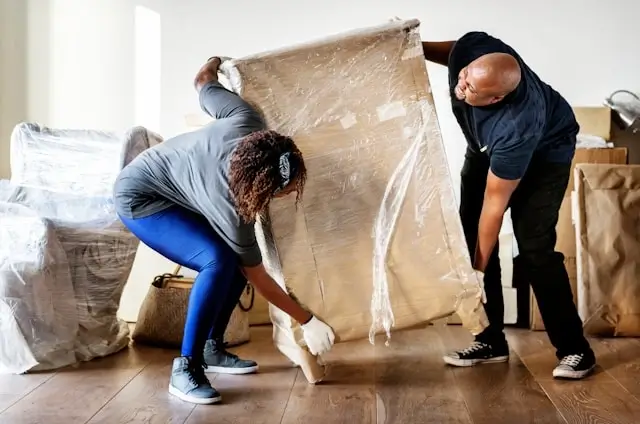
Do prepare furniture before moving day. Remove loose shelves, bag the hardware, and tape the labeled bag to the furniture or place it in a marked parts box.
Protect corners on dressers, desks, mirrors, and headboards. Electronics deserve extra care too. If you still have original boxes, use them. If not, use strong cartons, anti-static packing when needed, and clear labels for cords and accessories.
Do not leave drawers full unless the mover has said that it is acceptable for the specific piece. Do not tape directly onto wood, painted surfaces, or finished metal. Do not assume movers will know which box contains the delicate coffee maker parts or the screws for the bed frame. Mark those details clearly.
Small oversights during packing become major frustrations during setup.
Keep Essentials, Documents, and High-Value Items With You
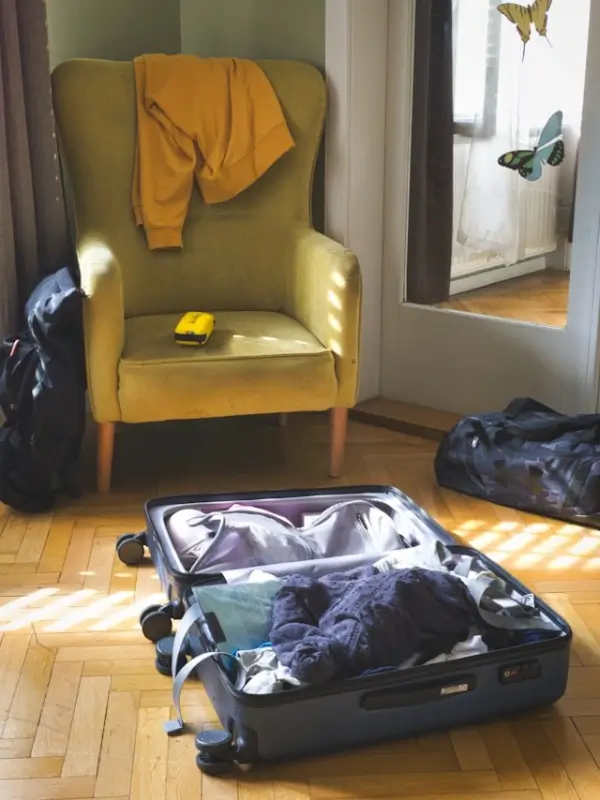
Do pack one personal essentials layer that stays out of the truck. Include medication, important papers, chargers, a change of clothes, toiletries, pet supplies, children’s basics, and anything you need during the first 24 to 48 hours.
If you arrive late, tired, and surrounded by sealed boxes, that bag becomes your reset button.
Do keep passports, financial records, jewelry, laptops, backup drives, sentimental keepsakes, and irreplaceable documents with you if possible. These are the items that cause the most panic when they are buried deep in a shipment.
If you pack some boxes yourself, take quick photos before sealing them. That gives you a cleaner record of contents and condition.
Do not send everyday survival items on the truck and hope you will find them quickly later. Long-distance deliveries can involve narrow arrival windows, delays, or staggered unloading. The first night should not depend on locating one unmarked carton labeled “misc.”
Source: Unsplash.
Label for the Arrival, Not for the Departure
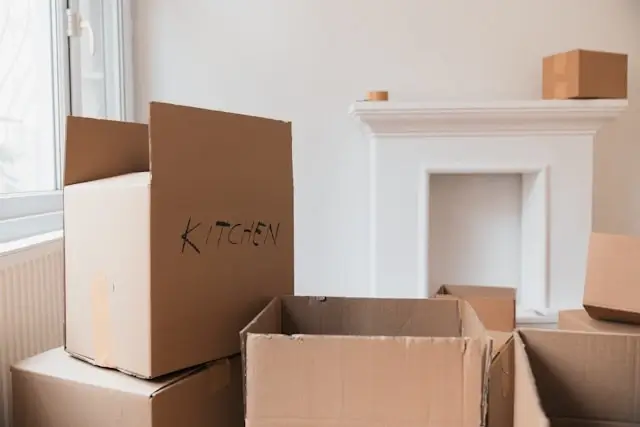
Do label every box on multiple sides, not only on the top. Include the room, a short contents note, and a handling note if needed. “Kitchen” is useful. “Kitchen, coffee supplies, mugs, French press” is much better.
You are packing for the version of you who is tired, looking for one thing fast, and trying to get a new space functioning again.
Do use a numbering system if the move is large. Box 14 of 22 for the kitchen tells you right away if something has been left behind.
A simple spreadsheet or note on your phone can help track the higher-value cartons and the boxes you want opened first. This takes extra time up front, but it pays off when unloading begins, and decisions need to happen quickly.
Do not trust memory. After a few dozen boxes, everything starts to blur. Do not use vague labels like “stuff,” “office,” or “miscellaneous.” Those labels save thirty seconds during packing and cost you far more during unpacking.
Clear labels reduce confusion, speed up placement, and make any claim or dispute easier to sort out.
Source: Unsplash.
Avoid the Mistakes That Make Long Moves Harder
Do finish packing before the movers arrive unless you arranged packing services in advance. Waiting while you tape boxes and sort loose items can add pressure, delay the schedule, and in some cases increase charges.
Walk through the home once more before loading starts. Open closets, cabinets, attic spaces, outdoor storage, and the back corners of every room.
Do confirm what cannot go on the truck. Hazardous and flammable items, perishables, and certain high-risk goods usually need separate handling or disposal.
Ask the mover directly instead of guessing. Review your estimate, inventory process, and protection options before moving day. Good packing helps, but paperwork still matters in a long-haul move.
Do not sign off on the day in a rush. If you packed the boxes yourself, good labels and photos matter even more because claims can be harder to make when the contents were customer-packed. That is one more reason to treat packing as both protection and documentation.
The farther your belongings travel, the more those small habits start to matter.
Source: Unsplash.
Conclusion
Packing well is one of the most useful things you can do before a long distance move. The effort you put in before loading day shows up on the other end, when unpacking feels manageable instead of overwhelming.
Good materials, smart weight distribution, and clear labels are not small details. They are what keep belongings protected and arrival day from turning into a recovery project.
The earlier the process starts, the better every decision tends to be. Rushing through packing is one of the most common reasons moves go sideways, even when everything else goes to plan.
Keep essentials close, document what you pack, and treat every box as something that will be stacked, shifted, and moved more than once. That mindset changes how you pack from the very first carton.
If you found these tips helpful, share this post with someone who has a move coming up. And if you are still figuring out the logistics, explore the rest of the blog for more practical guidance on making the process as smooth as possible.
Disclaimer:
This post may contain affiliate links. I receive a small commission at no cost to you when you make a purchase using my link.