Getting around in unfamiliar places shouldn't drain your energy before the real adventure begins. Whether you're navigating a bustling city or exploring quiet countryside, transportation choices directly impact how much you actually enjoy your trip.
Learning how to maximize your travel means spending less time stressed about logistics and more time experiencing what drew you to the destination in the first place. Smart transportation decisions create space for spontaneity and discovery.
This guide covers practical strategies for moving between places efficiently—from ridesharing and public transit to walking, cycling, and driving. Each method offers unique advantages depending on your destination, budget, and travel style.
The goal isn't perfection but confidence in your ability to adapt and navigate wherever you go. With the right preparation, getting from point A to point B becomes part of the journey rather than an obstacle to overcome.
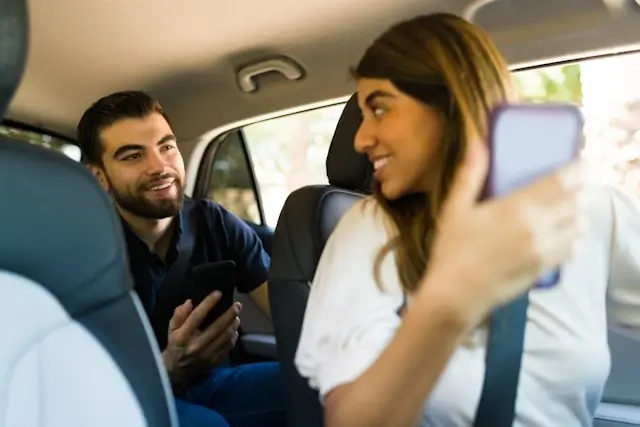
Ridesharing has become a common way to get around, providing convenience and flexibility for travelers. It allows you to request a ride through a smartphone app and be picked up almost anywhere, which can be a lifesaver when public transportation is limited.
While ridesharing is convenient, practicing safe ridesharing tips like confirming the driver and car details before getting in can prevent mishaps.
Share your location with someone you trust and avoid rides late at night if you are alone. Being cautious yet confident helps make ridesharing a smooth experience while reducing anxiety about unfamiliar areas.
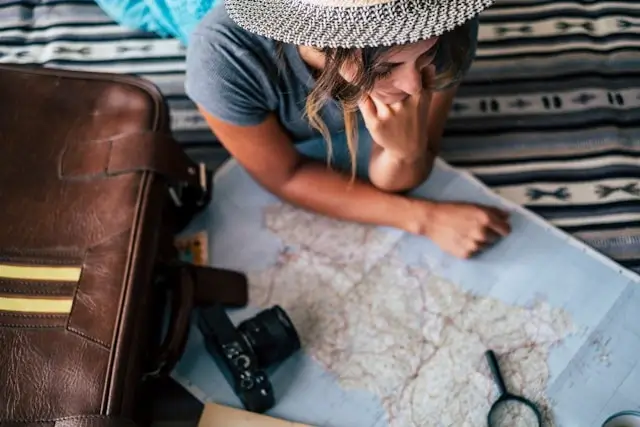
Planning your route ahead of time helps avoid long waits and missed connections, and keeping a digital or physical map can provide reassurance when navigating unfamiliar areas.
Many transportation apps now offer real-time updates on delays, arrivals, and route changes, which can save time and reduce stress.
If you plan to use public transportation frequently during your trip, purchasing a travel card or multi-ride ticket can simplify payments and save money. Observing local etiquette, such as standing in line, giving up priority seating, or validating tickets, can make the experience smoother and more enjoyable.
For travelers with luggage, consider off-peak travel times when vehicles are less crowded, and always keep personal belongings secure.
By taking a little time to understand the system, public transportation can become a reliable and stress-free way to move around, allowing you to focus on exploring your destination rather than worrying about logistics.
Source: Unsplash.
Walking and Cycling: Exploring at Your Pace
For shorter distances, walking and cycling offer a practical and immersive way to explore any location.
These options provide the freedom to move at your own speed, stop when something catches your attention, and discover hidden spots that are often missed when using motorized transport.
Comfortable footwear is key for walking, and it’s wise to dress according to weather conditions, carrying layers or rain protection as needed.
A small backpack with water, snacks, sunscreen, a map, and any personal essentials can make the experience more enjoyable and prevent unnecessary interruptions.
For cycling, wearing a helmet and following local traffic rules is crucial for safety, while a reflective vest or lights can help in low-light conditions.
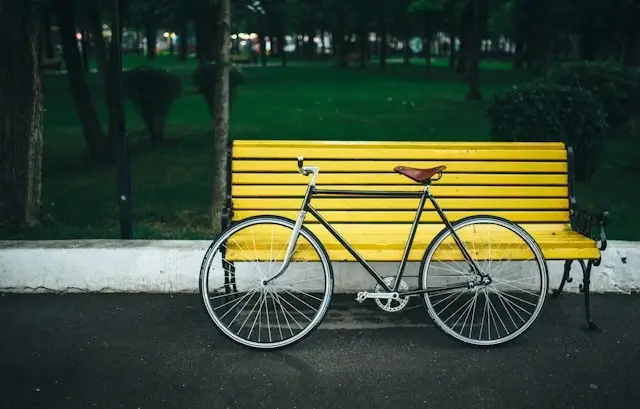
Many cities and towns offer bike-sharing programs or rentals, giving travelers access to bicycles without needing to bring their own.
Walking and cycling are not only convenient and flexible but also environmentally friendly ways to see the area, allowing you to engage with local streets, parks, and neighborhoods in a more personal and relaxed manner.
Source: Unsplash.
Driving in Unfamiliar Areas: Staying Calm and Prepared
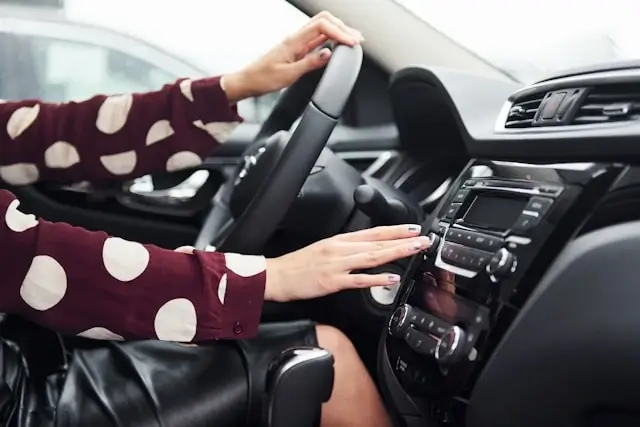
Driving in a new area can feel intimidating, especially when traffic patterns, road signs, and local driving customs differ from what you are used to.
Planning your route in advance is crucial, and using GPS navigation or mapping apps with real-time updates can help you avoid unexpected delays or confusing turns.
Keeping your vehicle well-fueled and equipped with a small emergency kit, including first-aid supplies, a flashlight, and basic tools, adds an extra layer of security.
Pay attention to local speed limits, lane markings, and parking rules, as they may vary significantly from your home area. It helps to remain patient in heavy traffic or unfamiliar intersections and to give yourself extra time to reach your destination.
If parking options are limited, research available parking lots or use parking apps to reserve a spot ahead of time.
Staying calm and focused, avoiding distractions such as phone use while driving, and practicing defensive driving techniques can reduce stress and increase safety.
By combining preparation, patience, and awareness, driving in unfamiliar areas becomes manageable and allows you to feel more confident as you explore new locations.
Source: Unsplash.
Tips for Stress-Free Travel
Check the weather forecast before heading out to prepare appropriate clothing
Pack light to make moving between locations easier
Keep essential items like identification, tickets, and money in a secure, easily accessible spot
Schedule extra time for commuting to avoid rushing
Download maps and transportation apps for offline use
Carry a small snack and water bottle to stay energized
These tips can make your daily travel routines smoother and help you stay organized. Simple preparation can prevent delays, reduce anxiety, and allow more focus on enjoying your surroundings.
Conclusion
Source: Unsplash.
Using a mix of transportation options can make moving around more efficient and comfortable, especially in unfamiliar places.
You might take a train or bus to reach the central part of a city, then use a rideshare for the last mile, and finish with a walk to explore nearby streets at your own pace.
This approach allows you to adapt if one mode experiences delays, such as traffic or service interruptions, without losing time. Planning multiple options ahead of time also gives peace of mind, since you won’t be reliant on a single method to reach your destination.
Combining methods can save money, as using public transportation for longer distances and ridesharing only when necessary often costs less than relying on a car or taxi alone.
Experimenting with different combinations helps you discover the most convenient routes and schedules while making your travel experience smoother and more flexible.
Traveling efficiently is about preparation, awareness, and knowing your options. Ridesharing, public transportation, walking, cycling, and driving each have their advantages.
By planning ahead, following safety precautions, and staying flexible, you can move around easily and enjoy more of your journey. A stress-free travel experience doesn’t come from avoiding challenges but from knowing how to navigate them confidently.
Disclaimer:
This post may contain affiliate links. I receive a small commission at no cost to you when you make a purchase using my link.