I have learned the hard way that the most stressful part of a trip is not always the long flight or the jet lag. Sometimes, it is the tiny document you forgot to check before departure.
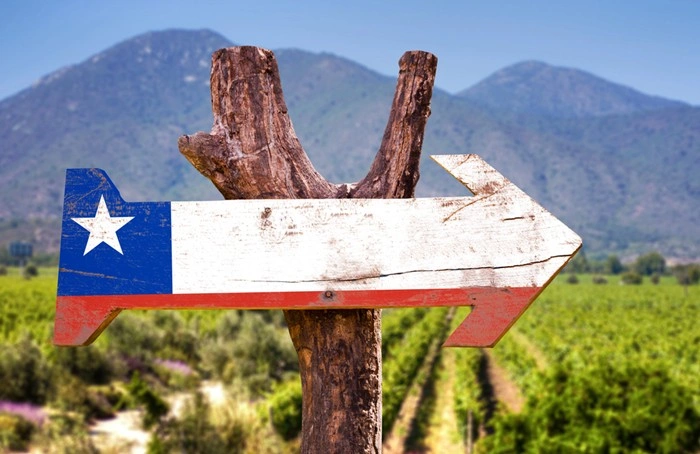
That lesson stuck with me the first time I was traveling to Chile, a country where landscapes shift dramatically from the Atacama Desert to Patagonia.
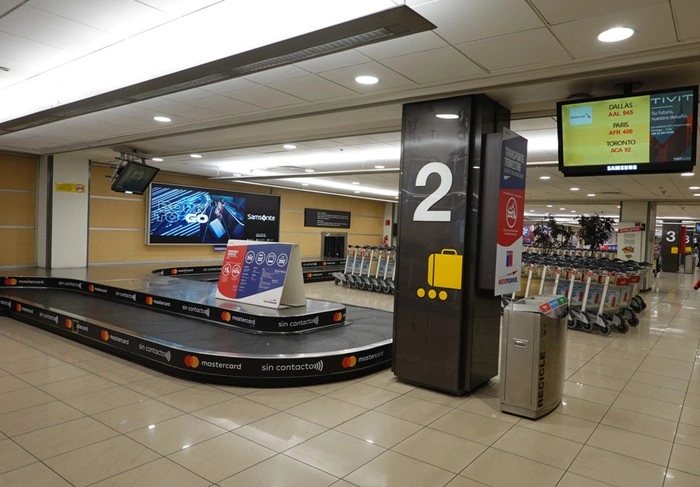
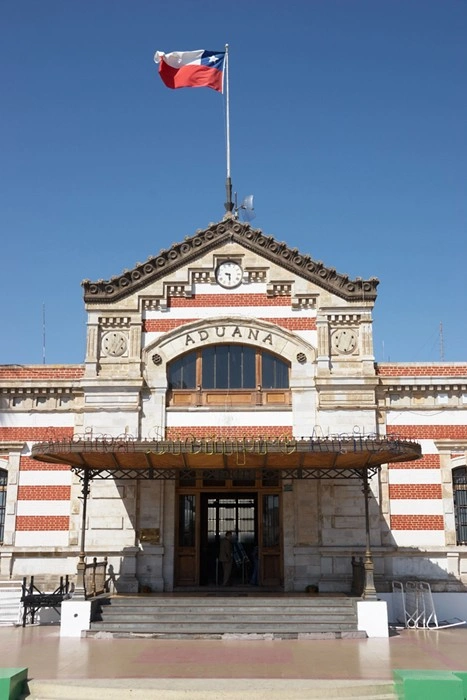
Before packing snacks, souvenirs, or anything miscellaneous for the trip, I would make sure I understand the Chile Customs Digital Affidavit requirement and how it fits into the arrival process.
Chile is long, diverse, and full of places that feel completely different from one another, which is exactly why it rewards a little planning. A few simple paperwork habits can make the difference between arriving calmly and standing at the airport trying to connect to Wi-Fi with a tired brain.
In this post, I am sharing the small pre-trip habits, customs know-how, and arrival-day tricks that have saved me from unnecessary stress — starting with the checklist I now build before every flight.
Chile is not a country I would approach with a “we’ll figure it out when we get there” mindset. Not because it is difficult to travel, but because the distances are big and the environments are so varied.
A trip might include Santiago, Valparaíso, San Pedro de Atacama, the Lake District, or Torres del Paine. Each region comes with different weather, packing needs, transport decisions, and sometimes extra logistics.
The same logic applies to documents. When the fun part of travel planning begins — saving restaurants, comparing desert tours, or deciding whether Patagonia is worth the splurge — it is easy to leave entry forms and customs rules until the last minute. I try not to do that anymore.
Source: Unsplash.
My Pre-Trip Paperwork Routine
Whenever I travel internationally, I now create a small “arrival checklist” in my notes app. It is not fancy, but it keeps me from relying on memory when I am rushing to the airport.
1. Check entry rules from official sources
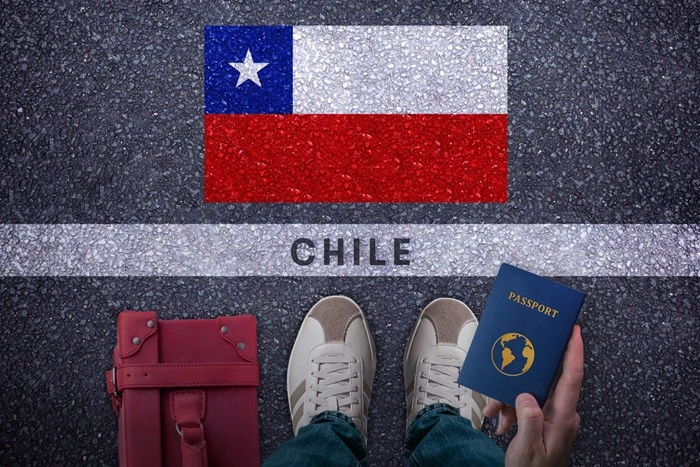
The first thing I do is check whether I need a visa, how long I can stay, and what passport rules apply.
For U.S. travelers, the U.S. Department of State Chile information page is a practical place to confirm entry and safety details before departure.
Even if you are not traveling with a U.S. passport, the habit still matters: use official government or embassy sources for your nationality, not old forum posts or social media comments.
Entry rules can change, and outdated advice tends to live online forever.
Source: Depositphotos.
2. Screenshot important confirmations
I usually save everything twice: once in my email and once as screenshots. That includes flight details, hotel addresses, travel insurance, booking references, and any arrival forms I may need to show.
This is especially useful in airports, where Wi-Fi can be patchy or your roaming plan decides to misbehave at the worst possible moment.
A screenshot can save you from scrolling through your inbox while everyone behind you looks impatient.
3. Keep your first address easy to find
Many entry or customs processes ask where you are staying.
I keep my first accommodation address written exactly as it appears on the booking confirmation.
If you are moving around Chile, you probably do not need every single address memorized for arrival, but having your first stop ready is helpful. It also makes the first taxi, ride-share, or airport transfer less stressful.
Customs in Chile: What Travelers Should Think About Before Packing
Source: Depositphotos.
Chile is careful about agricultural and animal products, and that makes sense when you think about the country’s geography and biodiversity.
The customs process is not only about luggage control; it is also about protecting agriculture, ecosystems, and public health.
If you are carrying food, seeds, wooden items, animal products, or handmade souvenirs from another country, it is worth checking the rules before you fly.
My personal rule is simple: when in doubt, declare it. I would rather spend an extra minute answering a question than accidentally carry something that creates a problem at inspection.
Items worth double-checking
Source: Depositphotos.
The things that often trip travelers up are not always obvious. A fresh apple from the plane, a packet of seeds, homemade snacks, cheese, cured meats, honey, or a wooden souvenir can all become relevant at customs.
This does not mean you should panic about everything in your bag. It simply means you should pack intentionally and avoid treating your carry-on like a mystery drawer.
How to Make Arrival Day Less Chaotic
Source: Depositphotos.
Long-haul travel has a way of making even simple tasks feel complicated.
By the time I land, I usually want three things: water, a shower, and a bed. That is why I try to remove as many decisions as possible before the plane lands.
Charge your phone before descent
It sounds obvious, but arrival forms, hotel addresses, maps, and translation apps often live on your phone. I try to land with enough battery to get through immigration, customs, transport, and check-in.
Carry a pen anyway
Even when forms are digital, a pen is still one of those tiny travel items that earns its place. You may need it for luggage tags, backup forms, or notes when your phone is not convenient.
Do not pack snacks absentmindedly
I love bringing snacks, especially on long journeys, but Chile is a place where I would be more selective.
Factory-sealed snacks may be easier to assess than fresh or homemade food, but customs rules still matter.
Before packing edible souvenirs or comfort food, check whether they need to be declared.
Keep documents in one pouch
Passport, boarding passes, travel insurance, printed bookings, and backup cards all go into one pouch for me.
It is not glamorous, but it prevents the classic airport panic of searching every pocket while holding up a line.
Planning Beyond Santiago
Source: Unsplash.
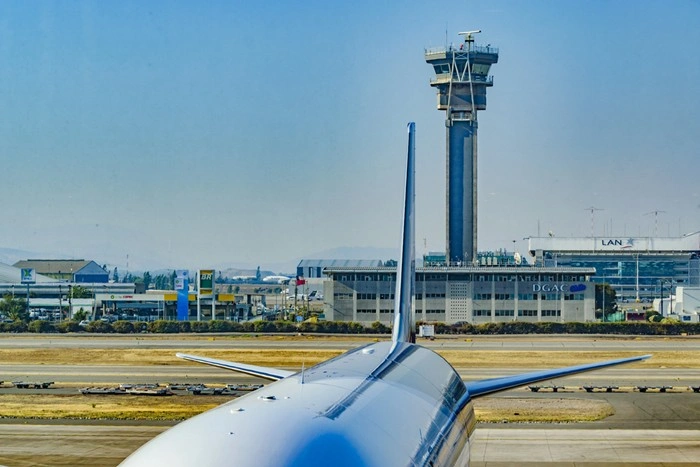
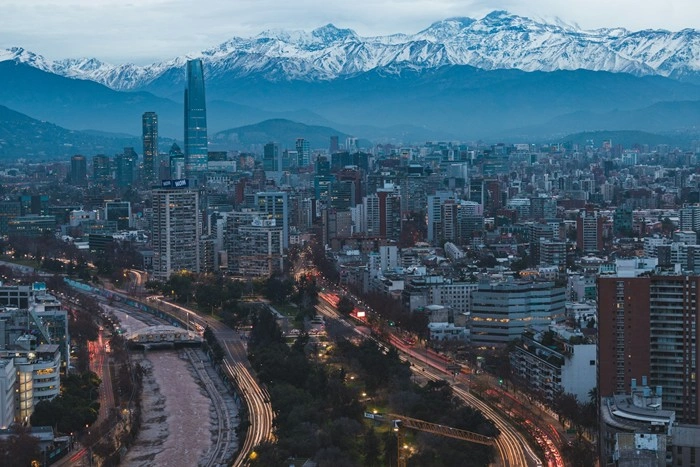
A lot of travelers start in Santiago, and for good reason. It is the main gateway, has excellent food and coffee options, and works well as a base before heading north or south.
You can easily spend a day in Santiago on a budget, which is perfect if you want to ease into the city without overspending.
From there, Chile becomes a choose-your-own-adventure destination.
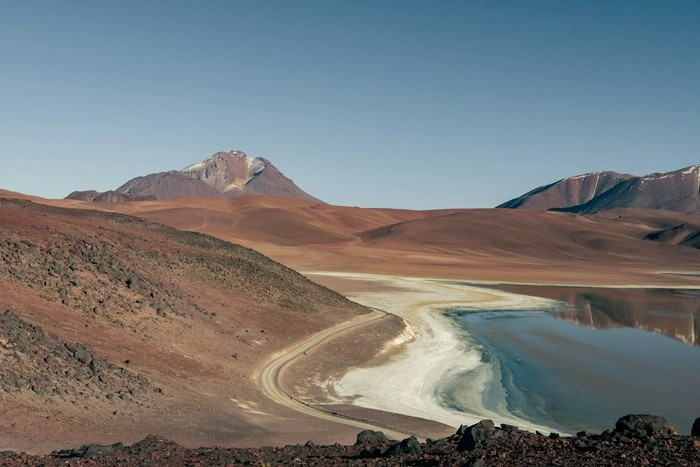
If you go north, San Pedro de Atacama is all about salt flats, geysers, stargazing, and landscapes that look like another planet.
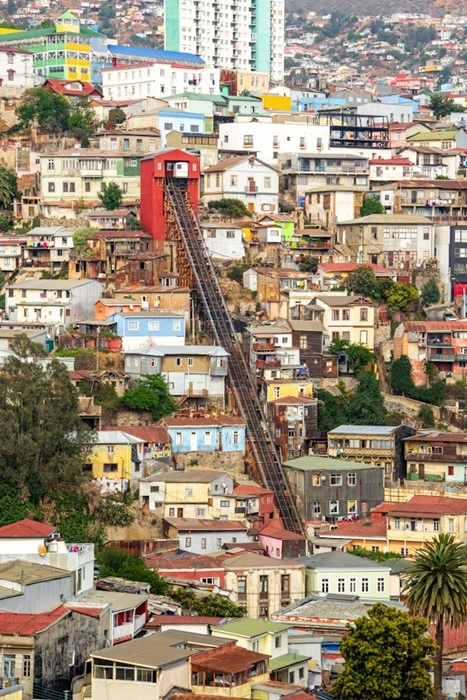
If you go central, Valparaíso offers hills, street art, sea views, and a slightly chaotic charm. If you go south, Patagonia is the dream for hikers, photographers, and anyone who likes dramatic weather with their dramatic scenery.
The more ambitious your route, the more your paperwork and planning habits matter. Domestic flights, bus tickets, park reservations, and seasonal weather can all affect the trip.
Source: Unsplash.
Safety and Health Checks I Would Not Skip
Before any international trip, I check travel advisories and health guidance close to departure, not months before.
For Chile, the U.S. government’s Chile travel advisory is useful for current safety notes, while the CDC Chile traveler health page gives health-related preparation tips.
I do not use these pages to scare myself out of traveling. I use them to make better decisions: where to be more alert, what insurance to buy, what medicines to pack, and whether there are any regional issues to know about.
For me, good travel planning is not about removing spontaneity. It is about protecting the trip from avoidable problems.
A Simple Chile Travel Checklist
Source: Magnific.
Before flying to Chile, I would make sure I have:
A passport that meets the requirements for my nationality.
Any visa or entry permission required for my passport.
Arrival and customs documents completed or ready to complete.
A clear idea of what food, plant, or animal products I am carrying.
Current safety and health guidance checked close to departure.
It is not the most exciting part of travel, but it is one of the most useful.
Conclusion
Source: Depositphotos.
Traveling to Chile does not have to feel overwhelming once you break it down into small, manageable habits. A little paperwork prep, some smart packing choices, and a quick check of official sources can carry you a long way.
From the Chile Customs Digital Affidavit to knowing what snacks are worth declaring, these are not glamorous steps, but they are the ones that quietly prevent airport stress.
Whether your route takes you through Santiago, up to the otherworldly landscapes of San Pedro de Atacama, or south into the dramatic scenery of Patagonia, a little planning lets you spend less time worrying and more time actually enjoying the trip. The destinations are dramatic enough without adding avoidable chaos to the mix.
Good travel planning is not about removing spontaneity from the experience. It is about protecting the parts of the trip you are actually excited for.
If this checklist helped you feel more prepared, save this post for later or share it with someone who has a Chile trip coming up — and check out more of our destination guides for what to do once you land.
Disclaimer:
This post may contain affiliate links. I receive a small commission at no cost to you when you make a purchase using my link.