Boating has always been about freedom on the water, but the way people experience that freedom is shifting fast. New technology, environmental priorities, and changing lifestyles are quietly reshaping the entire industry.
From electric propulsion to smarter navigation systems, the biggest boating trends point toward a future that is cleaner, more connected, and far more accessible than before. The boats themselves are changing, and so is everything around them.
Shared ownership models are lowering the barrier to entry, while advanced materials and sustainable construction methods are pushing manufacturers to rethink how vessels are built. Even the marinas where boats dock are getting a digital upgrade.
Whether you are a seasoned captain or someone who has never left the shore, these developments are worth understanding. The future of life on the water is arriving faster than most people expect.
The Future of Boating: The Rise of Sustainable Boating Trends
Source: Unsplash.
Electric and Hybrid Boats Becoming the New Standard
Environmental rules continue to reshape boat manufacturing, and builders now invest heavily in electric propulsion systems. These motors produce far fewer emissions and run much quieter than traditional engines.
That shift benefits both the environment and the onboard experience. Owners notice calmer cruising conditions, cleaner water, and far less engine vibration during long recreational trips.
Battery technology has advanced quickly, and marine batteries now store more energy and charge faster than older systems.
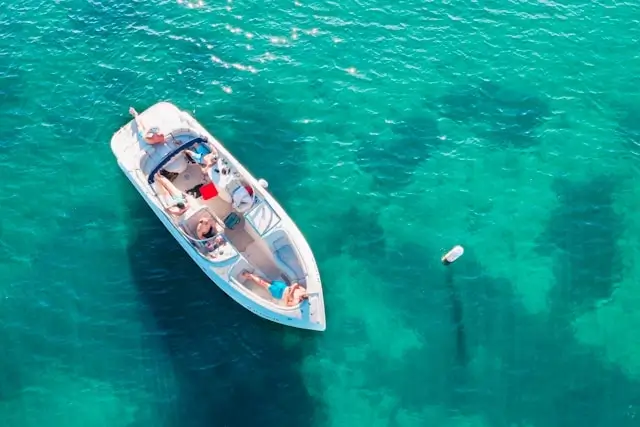
These improvements make electric boats far more practical for casual recreational use. Many newcomers first experience this technology through a boat club, where modern electric vessels allow people to try boating without committing to full ownership.
Another major benefit comes from the onboard atmosphere. Traditional engines produce noise, fumes, and vibration that slowly erode the enjoyment of a peaceful day on the water. Electric propulsion removes most of that discomfort.
Cruising becomes smoother and far quieter, helping boaters focus more on the scenery and less on the machinery belowdecks.
Hybrid propulsion adds another practical option for people who want flexibility during longer trips.
These systems combine electric motors with fuel-powered engines, allowing boaters to cruise quietly near shore and switch to conventional power when range becomes important. That balance makes hybrid vessels attractive for coastal cruising and extended recreational adventures.
Source: Unsplash.
Autonomous Navigation and Smart Boating Systems
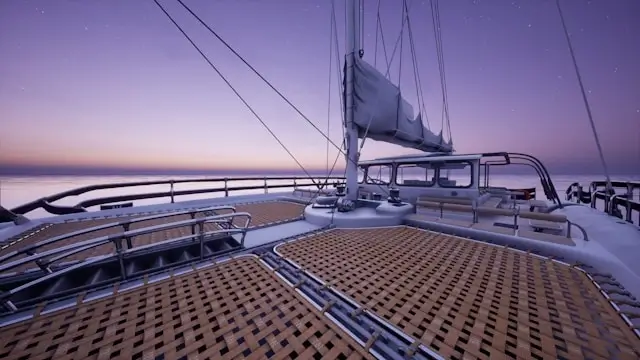
Technology continues to simplify boat operation, and intelligent navigation systems already assist captains during long trips.
Modern autopilot systems can maintain course, adjust speed, and react to changes in the surrounding environment. These tools do not replace experienced captains; however, they reduce fatigue and help boaters focus more on awareness and decision-making.
Sensors now play a major role in marine navigation. Radar, cameras, sonar, and GPS systems constantly monitor nearby vessels, underwater obstacles, and environmental changes.
When these systems work together, they create a clearer picture of what surrounds the boat. Captains receive early warnings about potential hazards, which gives them more time to react safely.
Weather monitoring also becomes far more precise thanks to connected navigation tools. Modern marine systems analyze real-time weather updates and recommend safer routes when conditions begin to change.
Boaters gain better insight into wind patterns, storm movement, and water conditions before problems escalate during longer journeys.
Smart controls now extend beyond navigation and into daily vessel management. Many modern boats connect to mobile apps that allow owners to monitor battery levels, engine status, and onboard systems remotely.
This kind of connectivity helps boaters prepare before leaving the dock while also improving boating safety during extended time on the water.
Source: Unsplash.
The Rise of Boat Sharing and Flexible Ownership
Traditional boat ownership can require significant financial commitment, which has pushed many newcomers to look for alternatives.
Shared access models have grown rapidly because they lower that barrier. Instead of purchasing a vessel outright, members can access multiple boats through subscription-style services that make boating easier to enter.
Membership-based boating programs continue to expand in coastal cities and popular lakeside destinations.
These services allow members to reserve boats when they need them while the organization manages maintenance, docking, and storage. This structure removes many logistical headaches that often discourage people from buying their own vessel.
Younger boating enthusiasts often prefer flexible access over permanent ownership. Many people today value experiences more than long-term asset commitments.
Boat-sharing programs match that mindset well, allowing members to enjoy time on the water without worrying about repairs, insurance costs, or winter storage logistics.
Community also plays an important role in the growth of shared boating programs. Members frequently meet other boaters during events, training sessions, and group outings.
These interactions help newcomers learn boating skills while building social connections, which turns boating into a more accessible and welcoming activity.
Source: Unsplash.
Advanced Materials and Sustainable Boat Construction
Boat builders continue experimenting with new materials that improve both performance and durability.
Lightweight composite materials now allow manufacturers to reduce vessel weight without sacrificing structural strength. Lighter hulls improve fuel efficiency, increase cruising speed, and make boats easier to handle in changing water conditions.
Environmental awareness also pushes manufacturers toward more sustainable materials.
Some builders now explore recyclable composites and environmentally responsible resins that reduce long-term environmental impact. While these materials still evolve, they represent an important step toward making boat manufacturing cleaner and more sustainable.
Manufacturing technology itself has also started changing the construction process.
Certain marine components can now be produced through specialized 3D printing techniques. These tools allow designers to create complex parts more quickly while reducing material waste. Builders can also customize certain components more easily during the production phase.
Improved hull designs also contribute to sustainability and performance. Engineers now study water flow patterns more carefully to reduce drag and increase efficiency. These refinements help boats move more smoothly through the water while requiring less energy to maintain cruising speed during longer journeys.
Source: Unsplash.
Connected Marinas and Smart Marine Infrastructure
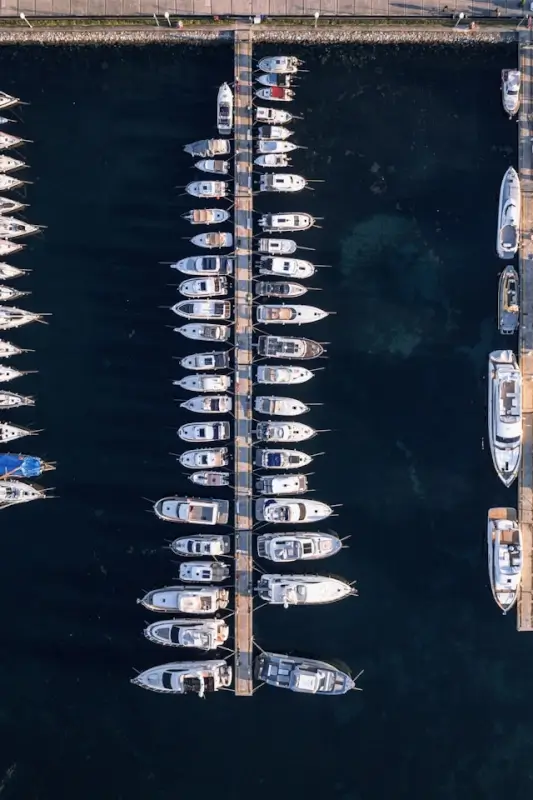
Marinas themselves have started adopting new technology that improves how boaters interact with dock facilities.
Digital management systems allow marina operators to track docking availability, maintenance schedules, and service requests more efficiently. Boaters benefit because they can plan visits without uncertainty about available space.
Many marinas now implement connected infrastructure that monitors electricity and water usage at each dock.
Sensors provide real-time information about consumption levels, which helps operators manage resources more responsibly. These systems also allow boaters to track their own energy usage during longer stays at the marina.
Reservation systems have also become far more convenient. Boaters can now book docking space, fueling services, or maintenance appointments through online platforms before arriving. This removes the guesswork that once came with visiting unfamiliar marinas during longer cruising trips.
Electric boat adoption also encourages marinas to install charging stations directly at the dock. These charging systems will likely become far more common in the coming years. As electric vessels grow in popularity, marina infrastructure will continue evolving to support cleaner propulsion technologies.
Source: Unsplash.
Wrap Up
The future of boating will likely blend smarter technology, cleaner propulsion, and more flexible access to the water.
Electric engines, connected navigation systems, and shared boating models already show how the industry continues to evolve.
These trends will make boating more accessible, more sustainable, and easier to enjoy. As innovation continues, both new and experienced boaters will find more ways to explore the water and make boating part of their lifestyle.
Disclaimer:
This post may contain affiliate links. I receive a small commission at no cost to you when you make a purchase using my link.