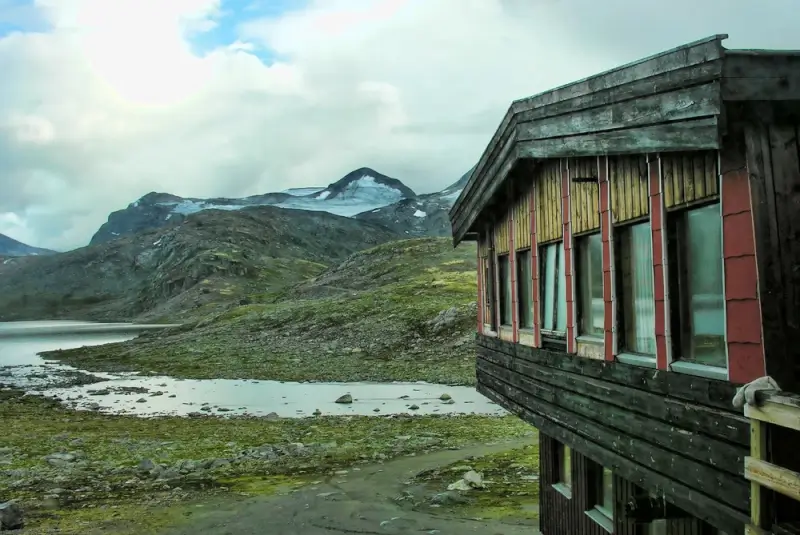
The Norwegian Trekking Association (Den Norske Turistforening, or DNT) operates an extensive network of mountain huts across Norway's wilderness areas.
This system, developed over 150 years, provides accommodation infrastructure that makes multi-day treks accessible while maintaining a distinctive Norwegian approach to mountain access and self-service accommodation.
DNT's founding in 1868 reflected growing interest in mountain recreation among Norway's urban middle class.
Early members, inspired by similar alpine clubs in continental Europe, recognized that providing accommodation would enable longer journeys into Norway's extensive mountain regions.
The first DNT huts appeared in the 1870s in Jotunheimen, Norway's premier alpine area.
The organization expanded rapidly through the late 19th and early 20th centuries. Local chapters built huts in their regions, creating a decentralized network.
By 1900, dozens of facilities operated across southern and central Norway. This infrastructure development paralleled growth in Norwegian national identity during the period leading to independence from Sweden in 1905.
Unlike alpine clubs in other countries that focused primarily on mountaineering, DNT emphasized broader outdoor recreation accessible to ordinary people.
This democratic approach shaped both the hut system's character and Norwegian outdoor culture more generally.
The tradition of “allemannsretten”—the right to roam freely in nature—complemented DNT's infrastructure, creating a distinctive Norwegian recreation model.
Source: Depositphotos.
Hut Categories and Facilities
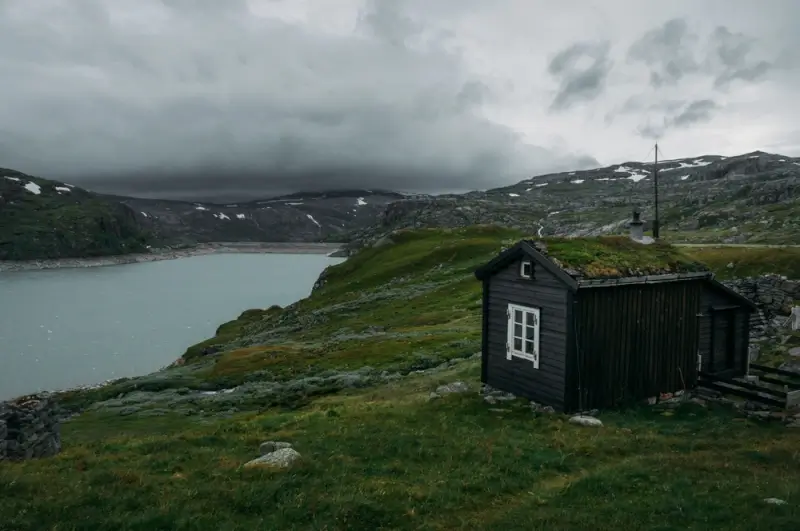
DNT operates approximately 550 cabins ranging from basic unmanned shelters to full-service lodges.
Staffed huts, typically operating from February through April for Easter skiing and June through September for summer hiking, provide meals and cleaning services. These facilities accommodate 20-100 guests in dormitory rooms with provided bedding.
Self-service huts operate unstaffed, relying on users to maintain facilities and manage logistics.
Visitors use a key system (accessed through DNT membership) to enter, select available bunks, and prepare meals using provided kitchens. Payment occurs through honor system logging.
These huts create unique social dynamics as groups of strangers coordinate cooking, cleaning, and space sharing.
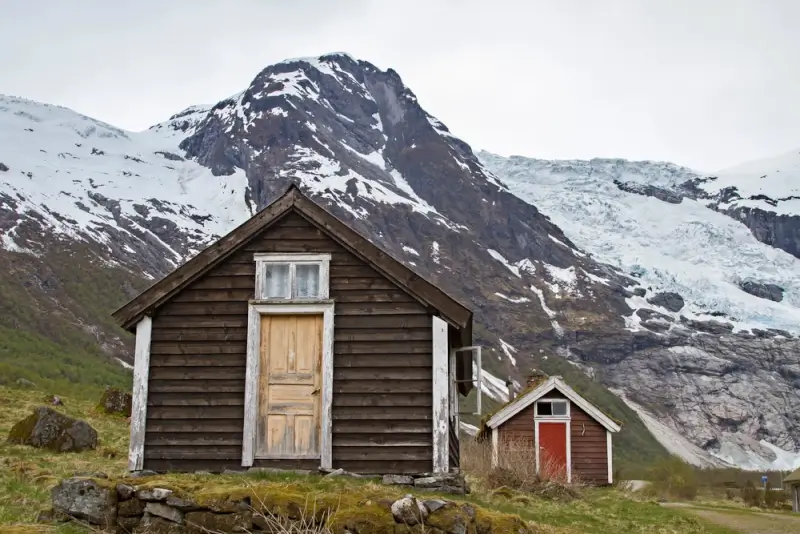
No-service cabins and emergency shelters represent the most basic category. These structures provide only roof and walls, with users bringing all supplies including sleeping bags.
They serve primarily as emergency shelter or overnight stops on longer treks where more developed facilities don't exist.
Source: Depositphotos.
The Key and Membership System
DNT membership provides substantial benefits for regular users of the hut system.
Members receive keys granting access to self-service huts, significant discounts on accommodation fees (often 50% off non-member prices), and access to the organization's extensive trail marking and mapping resources.
Annual membership costs approximately 700 Norwegian kroner for adults, making it economical for anyone planning more than a few hut nights.
The key system requires trust and social responsibility. Members can access unstaffed huts anytime, use facilities and provisions, and report usage for billing.
This arrangement works because Norwegian culture generally supports cooperative behavior and honest reporting. Abuse remains minimal despite limited enforcement.
International visitors can purchase guest memberships or temporary key access. This allows tourists to experience self-service huts while supporting the system financially.
Norway hiking tours often include DNT hut stays, providing visitors with authentic Norwegian mountain experiences while handling logistical details of bookings and key access.
Provisioning and Resupply
Source: Depositphotos.
Staffed huts receive regular supply deliveries, typically via all-terrain vehicles, boats, or in some cases, helicopters. These deliveries include fresh food, beverages, and operational supplies.
Hut locations near roads or waterways have advantages for provisioning, while remote facilities face higher logistics costs affecting their economic viability.
Self-service huts stock basic provisions available for purchase—dried goods, canned food, chocolate, and beverages.
Users record consumption in logbooks for later billing. This system allows emergency food access when personal supplies run short. However, depending on these provisions for planned meals is discouraged as stock levels vary unpredictably.
Some huts maintain root cellars or outdoor cold storage for perishables during cooler months. Modern huts may include freezers powered by solar panels or small generators. However, most self-service facilities rely on shelf-stable foods that require minimal storage conditions.
Regional Variations
Different Norwegian regions developed distinct hut networks reflecting local geography and recreation patterns.
Jotunheimen's dense hut concentration supports multi-day circuit routes traversing the country's highest peaks. The network allows daily hikes between huts without requiring camping equipment, opening the region to hikers unable or unwilling to backpack.
Hardangervidda, Europe's largest mountain plateau, features widely spaced huts reflecting the area's gentler terrain and longer distances between significant features.
The expansive landscape requires self-sufficiency between huts, with hikers often carrying camping equipment as backup despite planning to use huts.
The coastal regions of northern Norway have fewer huts but more available emergency shelters due to the challenging weather and lower traffic.
These areas see more wilderness camping combined with occasional hut use. The midnight sun in summer allows flexible scheduling without darkness concerns.
Trail Marking and Navigation
Source: Depositphotos.
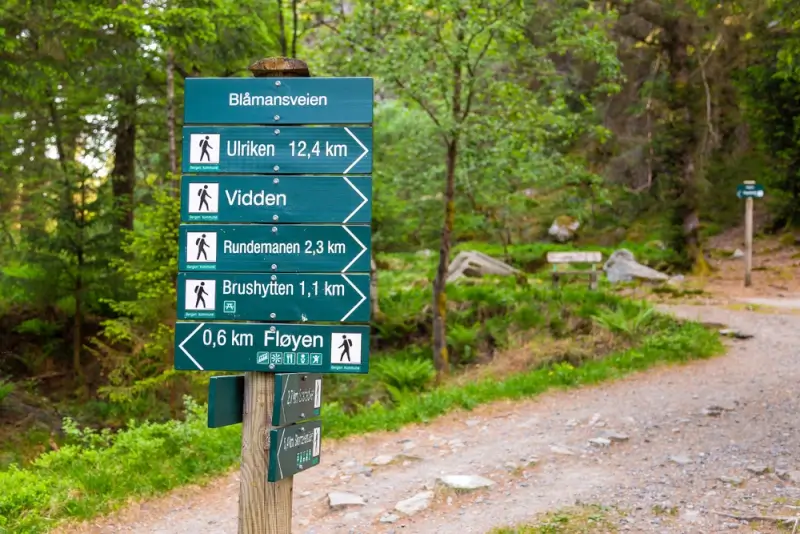
DNT maintains approximately 22,000 kilometers of marked trails connecting their huts.
The marking system uses red painted stones or cairns, with marks spaced for visibility under good conditions. In areas above treeline, where most marked routes run, these marks create visual lines across the landscape.
Winter presents different challenges. Snow covers ground marks, requiring different navigation approaches. Many routes use marked ski tracks or rely on map and compass navigation. Winter travelers need solid navigation skills as weather can eliminate visibility within minutes.
Controversy exists regarding the extent of trail marking. Some argue that excessive marking reduces wilderness character and enables inexperienced hikers to venture beyond their capabilities.
Others note that marking prevents off-trail damage from lost hikers and makes mountains accessible to more people. DNT attempts to balance these concerns while maintaining safety and access.
Booking and Capacity Management
Staffed huts require advance booking during peak season, particularly for popular routes in July and early August.
DNT's booking system opens several months ahead, with prime weekend dates filling quickly. Walk-in availability exists at many locations, but planning requires flexibility when booking isn't possible.
Self-service huts generally don't require reservations, operating on first-come, first-served basis. However, capacity limitations can create situations where huts fill beyond comfortable levels during peak periods. Users accept crowded conditions or make alternative arrangements when this occurs.
Easter week represents the busiest period at many huts due to Norwegian ski touring traditions.
The combination of good snow conditions, long daylight, and cultural tradition of mountain Easter holidays creates extreme demand. Some popular huts require bookings months in advance for this period.
Environmental Practices
Source: Depositphotos.
The hut system's environmental impact receives ongoing attention from DNT and environmental organizations.
Remote huts present waste disposal challenges, with most requiring users to pack out non-compostable waste. Staffed huts handle waste removal during supply trips, but the volume increases with visitor numbers.
Water systems range from simple collection of surface water to sophisticated filtration installations.
Users should treat water from most sources before drinking, though spring water at many huts meets drinking standards directly. Self-service huts provide water but may not guarantee potability without treatment.
Some huts have installed composting toilets reducing water use and waste volume. Solar panels provide electricity at modernized facilities.
These improvements address environmental concerns while maintaining the system's functionality. Balancing modernization with traditional mountain hut character remains an ongoing challenge.
Social Dynamics and Hut Culture
Norwegian hut culture emphasizes informal social interaction and mutual assistance.
Strangers share cooking spaces, trade food items, and discuss routes over evening meals. This communal atmosphere differs from typical tourist accommodations where privacy prevails. Many hikers specifically seek this social experience.
Self-service huts require cooperation in maintaining facilities. Users clean common areas, split firewood, and sort waste as part of expected behavior.
This shared responsibility creates temporary communities united by common purpose. The system functions because most users embrace these responsibilities.
Language presents minor challenges as Norwegian predominates in hut logbooks and sometimes conversations.
However, English proficiency among Norwegians and the visual nature of most hut systems means foreign visitors manage well. The physical work of cooking and cleaning transcends language barriers.
Winter Versus Summer Operation
Source: Depositphotos.
Winter use of the hut system requires different skills and preparation than summer hiking.
Ski touring rather than hiking dominates winter access. Routes marked for summer may be impassable or require different approaches when snow-covered.
Winter darkness in southern Norway and extended twilight in the north affect daily schedules.
Huts provide critical safety margins during winter when weather deteriorates rapidly and survival outside shelter becomes life-threatening within hours.
The hut network spacing considers winter travel distances—typically 10-20 kilometers between facilities, a day's ski tour for average groups.
Summer brings different challenges—higher temperatures make huts less comfortable, and the midnight sun disrupts sleep patterns for those unaccustomed.
However, the extended daylight allows flexible schedules and the ability to hike late when weather improves after poor morning conditions.
Economic Sustainability
Maintaining the extensive hut network requires substantial funding. DNT relies on membership fees, accommodation charges, government grants, and volunteer labor.
Economic pressures increase as maintenance costs rise and volunteer availability decreases. Some remote huts have closed or reduced service levels due to operating deficits.
Popular huts subsidize less-visited facilities, creating an internal network effect. Jotunheimen's busy huts generate surpluses that help maintain Hardangervidda's less-utilized network.
This cross-subsidy preserves access to diverse areas but creates vulnerability if popular destination usage declines.
Tourism growth has brought both opportunities and challenges. Increased revenue supports operations but accelerates facility wear.
Managing growth while preserving the character that attracts visitors requires careful planning and possibly limiting access at the most popular locations.
Conclusion
Source: Depositphotos.
The Norwegian DNT mountain hut network represents over 150 years of infrastructure development that makes Norway's wilderness accessible while maintaining distinctive cultural values around outdoor recreation and self-reliance.
This system of 550 cabins, from fully staffed lodges to basic emergency shelters, reflects a democratic approach to mountain access rooted in allemannsretten and cooperative social norms.
The network's functionality depends on user responsibility and DNT membership support. Self-service huts operate through trust, with hikers managing their own accommodations and honestly reporting usage.
This arrangement works because Norwegian outdoor culture emphasizes mutual respect and shared stewardship of mountain resources.
Regional variations from Jotunheimen's dense circuits to Hardangervidda's expansive distances require different approaches to planning and self-sufficiency.
Understanding these differences, along with seasonal considerations and booking requirements, enables visitors to select appropriate routes matching their experience and comfort levels. Winter ski touring demands substantially different skills than summer hiking across the same terrain.
Whether planning your first Norwegian mountain trek or adding another route to your experience, it's advisable to prepare for the self-reliant approach that defines this system.
The infrastructure exists to support your journey, but success requires embracing the responsibilities that come with accessing Norway's remarkable mountain landscapes.
Disclaimer:
This post may contain affiliate links. I receive a small commission at no cost to you when you make a purchase using my link.