Travel gets sold as an escape, a reward you check off between real life. But every trip leaves a mark that outlasts your flight home.
The places you visit belong to people, ecosystems, and histories that stretch far beyond your itinerary. That's the moment responsibility enters the picture.
This guide walks through how responsible travel changes the way you move through a destination, from where your money goes to how you walk a trail. It's less a checklist and more a shift in mindset.
Keep reading to see why the smallest habits protect the biggest things, and what it actually looks like to travel like you mean to come back.
How to Protect the Environment While Traveling Responsibly
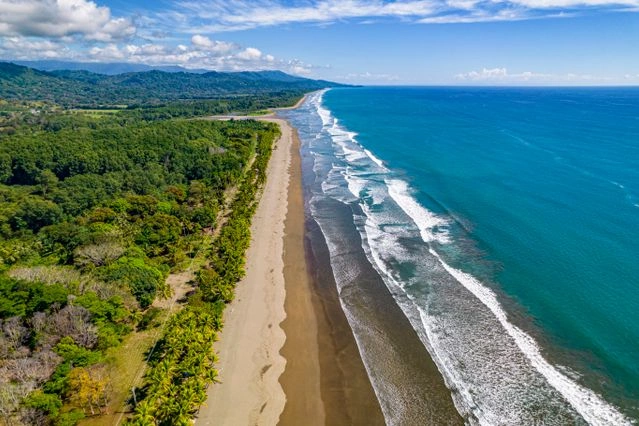
Source: Pexels.
The Places We Love Are Not Scenery
That shift affects where we stay, what we buy, how much we waste, and even how loudly we move through a neighborhood, a trail, or a sacred site.
Whether you are browsing city breaks, island escapes, or Ecuador tours, the real question is not just what you will see. It is what kind of footprint your visit will leave behind, both visible and invisible.
A destination does not lose its magic all at once. It happens in pieces. A trail widens because enough people step off path for a better photo.
A historic square becomes less local because family run shops cannot keep up with rising rents and souvenir demand. A beach looks clean at sunrise, but wildlife suffers from the plastic left behind the night before.
The magic fades when a place is treated like a backdrop instead of a living home.
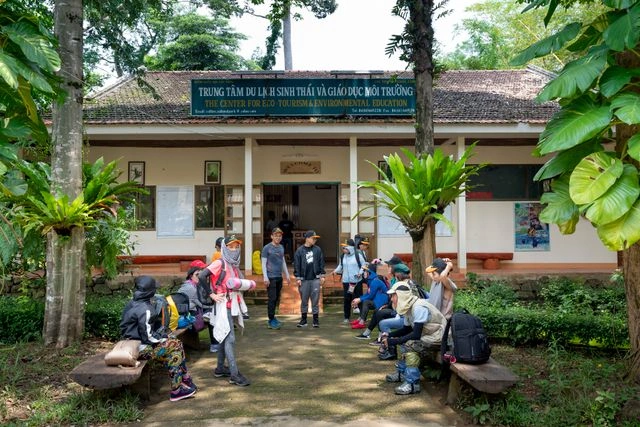
Source: Unsplash.
Travel Is a Relationship, Not a Transaction
When people talk about responsible travel, it can sound like a list of rules. Bring a reusable bottle. Do not litter. Respect customs. Those things matter, of course, but the deeper idea is relationship.
Good travel recognizes that places are made meaningful by people, culture, ecology, and memory. You are not just paying to enter. You are participating in a shared space that deserves care.
That mindset naturally leads to better choices. You start asking different questions. Who owns this hotel? Where does the money go when I book this excursion? Am I supporting a guide who actually lives here? Is this experience preserving a tradition, or turning it into a performance with none of the benefits going back to the community?
UNESCO’s sustainable tourism guidance emphasizes that local communities should be active participants and beneficiaries of tourism, not bystanders pushed aside by it.
UNESCO guidance on engaging local communities and businesses makes a strong case for tourism that keeps benefits rooted in the destination itself. That is not just ethical. It also creates richer travel experiences because community knowledge gives a place texture that no glossy brochure can replicate.
Source: Pexels.
Small Habits Protect the Atmosphere of a Place
One of the most overlooked parts of responsible travel is atmosphere. Not just the physical condition of a place, but the feeling of it.
The calm of a village morning. The rhythm of a market that still serves residents first. The quiet on a trail where birdsong has not been drowned out by speakers and shouting.
Protecting that atmosphere often comes down to ordinary habits.
Walk a little more gently. Keep your phone volume down. Ask before photographing people. Learn a few phrases in the local language. Dress with awareness in religious or conservative settings. Show up on time. Tip fairly when appropriate. These are simple acts, but together they signal respect.
They also remind us that cultural preservation is not abstract. It happens every day in the space between visitor behavior and local dignity.
When travelers approach a destination with curiosity instead of entitlement, communities are more likely to feel seen rather than used. That helps keep traditions alive in their real form, not a diluted version redesigned only for outside approval.
Nature Needs Our Restraint
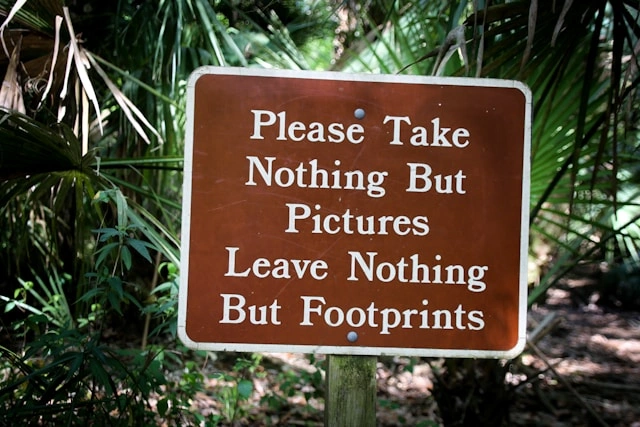
Source: Unsplash.
A lot of travelers genuinely love nature. They seek out reefs, cloud forests, deserts, and wildlife encounters because they feel awe. But awe alone is not protective. Plenty of environmental damage is caused by people who meant well.
Responsible travel means understanding that love for a place should make us more disciplined, not more demanding.
If a lookout is crowded, you do not create a new path through fragile vegetation for a cleaner shot. If wildlife is near, you do not move closer for a selfie. If a park asks visitors to pack out trash or stay on marked routes, that is not bureaucracy ruining the fun. It is protection in action.
The National Park Service explains the value of Leave No Trace as a practical framework for protecting the outdoors through everyday decisions.
Its overview of Leave No Trace principles is useful far beyond national parks. The core lesson is simple. The best travelers do not just enjoy nature. They help ensure the next person encounters it as unchanged as possible.
Spend in Ways That Keep a Place Alive
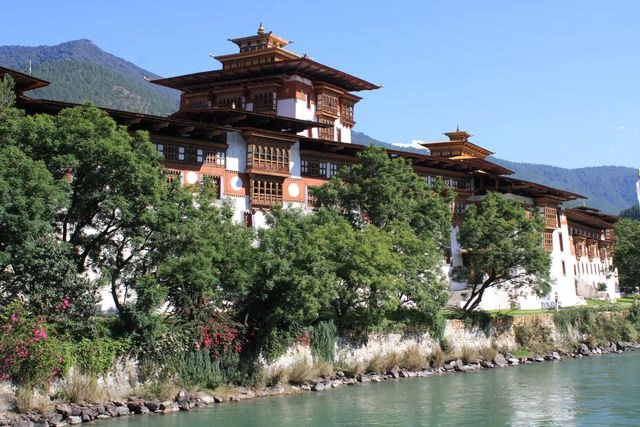
Source: Pexels.
Money is one of the strongest votes a traveler casts. Where you spend it helps shape what survives.
Community owned lodges, local guides, neighborhood restaurants, artisan cooperatives, and small transportation providers often keep tourism income circulating locally. That circulation matters.
It can support families, preserve craft traditions, and create economic reasons to protect ecosystems and heritage rather than exploit them.
This does not mean every travel choice needs to be perfect. It means being intentional more often than not.
Maybe you skip the imported souvenir and buy directly from a maker. Maybe you choose a slower itinerary so your spending is less concentrated in one heavily visited zone. Maybe you book a tour that limits group size and explains how it works with local communities.
These choices do more than reduce harm. They help destinations remain themselves. A place keeps its character when local people can still afford to live there, work there, and shape its future.
The Best Souvenir Is Continuity
Source: Pexels.
It is easy to think of responsible travel as sacrifice, as if being thoughtful automatically makes a trip less fun or less spontaneous. In reality, it usually does the opposite.
It slows you down enough to notice what makes a place special in the first place. You eat better, learn more, meet people with real ties to the area, and leave with stories that feel specific instead of generic.
More importantly, you help protect continuity. The coral reef still has a chance to recover. The old neighborhood still has residents, not just visitors. The cultural celebration still belongs first to the community that created it. The trail still looks like a trail, not a scar across a hillside.
That is what responsible travel really protects. Not only beauty, but the ongoing life of a place.
The magic we talk about so casually is usually the result of generations of care, adaptation, and belonging. If we want to keep experiencing that magic, we have to travel in a way that honors the people and environments holding it together.
Conclusion
Source: Unsplash.
Maybe the best standard for modern travel isn't “leave no trace,” but “leave a place more defended.” Defended by your spending, your restraint, and your respect.
That's the real shape of responsible tourism — not a checklist, but a way of showing up that asks a destination to keep its integrity instead of trading it for your entertainment.
The reef gets a chance to recover. The neighborhood keeps its residents, not just its visitors. The trail stays a trail, not a scar.
When enough travelers think this way, tourism stops being consumption and becomes something closer to partnership. That's how the wonder lasts — not as a postcard, but as something living.
So before you book your next trip, ask what kind of guest you want to be.
Disclaimer:
This post may contain affiliate links. I receive a small commission at no cost to you when you make a purchase using my link.