Traveling in a group can be the best kind of trip shared memories, shared costs, and a built-in social vibe.
It can also get messy fast if the logistics aren’t clear: different arrival times, missed messages, people wandering off, and “Where are you?” texts taking over the day.
The good news is that group travel becomes easy when you treat logistics like part of the itinerary, not an afterthought.
One of the first things to lock when it comes to travel logistics for group is transportation.
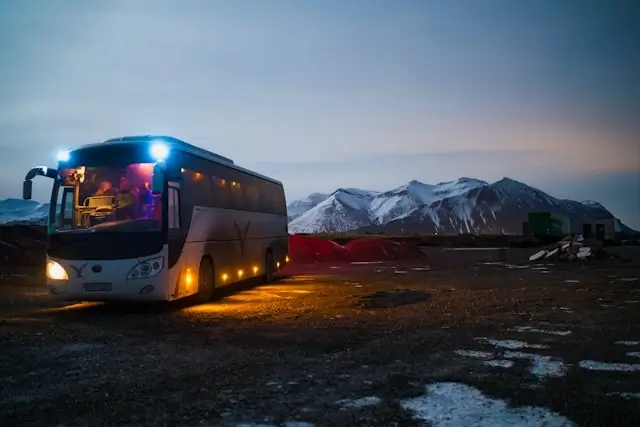
For many groups, pre-arranging a private minibus or coach keeps everyone together and reduces stress especially for airport pickups, hotel-to-venue moves, and day trips, 8rental is reliable company for group transfers, offering private minibuses and coaches that fit the size of the group and the schedule.
Travel Logistics for Group Travelers: How to Plan Smooth, Comfortable Trips
Start with a simple “group travel framework”
Before you book activities, align the basics so the group isn’t negotiating decisions mid-trip:
Trip style: relaxed, sightseeing-heavy, foodie, party, or mixed
Budget range: realistic per person (and what’s included)
Core schedule: arrival window, main activity blocks, return time
Non-negotiables: must-see and must-avoid (early mornings, long walks, etc.)
When these are set, every later decision is quicker hotel location, transport needs, even dinner reservations.
Make transportation part of the plan, not the problem
Group trips often break down in “in-between” moments: airport arrivals, moving between hotels and attractions, getting back after a late dinner, or reaching a venue on time.
The key is to decide early how your group will move.
A good approach is to plan transport in layers:
Arrival/departure transfers (airport ↔ hotel)
Daily movement (hotel ↔ attractions/venues)
One day-trip solution (if you’re leaving the city)
Even if you don’t book everything privately, just having a clear plan for each layer removes the biggest source of group stress.
Source: Unsplash.
Choose the right accommodation for group flow
In group travel, the “best” hotel isn’t always the fanciest. Instead, it’s the one that makes the trip run smoothly.
Look for:
Location that reduces travel time (walkable or well-connected)
Flexible check-in/check-out if arrivals vary
Clear meeting point (lobby, entrance, café nearby)
Room configuration that matches the group (twins, triples, apartments)
If the group splits across apartments, set one “home base” for meetups so people aren’t searching for each other.
Source: Unsplash.
Build an itinerary that’s realistic for a group
Groups move slower. That’s normal.
People take photos, need breaks, want coffee, or stop at a shop. The best group itineraries work because they are not overloaded.
This is the easiest way to avoid late arrivals and confusion.
Great group trips aren’t the ones with the most packed itineraries they’re the ones where logistics stay invisible. When transportation, meeting points, and timing are planned early, the group can focus on what they came for: exploring, eating well, and enjoying time together.
Conclusion
Source: Unsplash.
Getting group travel logistics right is what separates a trip people talk about fondly from one they barely survived.
The good news? It doesn't take perfection — it takes a little structure upfront and a willingness to keep things simple.
Lock in your transportation, set a clear communication channel, and build an itinerary that actually leaves room to breathe. When the basics are handled early, the group can stop managing the trip and start enjoying it.
The best group memories rarely come from the perfectly packed schedule. They come from the spontaneous dinner that ran too long, the detour nobody planned, and the moments that happened because everyone wasn't stressed about what came next.
If you found these tips helpful, save this post for your next group trip — and share it with whoever's doing the planning.
Disclaimer:
This post may contain affiliate links. I receive a small commission at no cost to you when you make a purchase using my link.