Caviar has long been one of the world's most coveted luxury foods — salted sturgeon roe that carries centuries of tradition, culture, and indulgence in every small, glistening pearl.
For those who truly appreciate fine dining, caviar travel opens up a world of destination experiences that go far beyond the plate.
From the historic sturgeon waters of the Caspian Sea to innovative farms in the United States and Japan, each region offers its own distinct take on this prized delicacy.
Whether you're a seasoned caviar connoisseur or simply curious about the heritage behind the luxury, the destinations in this guide promise to deliver something unforgettable.
No discussion of caviar is complete without mentioning the Caspian Sea, bordered by Russia and Iran.
Historically, the Caspian Sea has been the world’s most famous source of sturgeon, producing prized varieties such as Beluga, Osetra, and Sevruga.
Cities like Astrakhan in Russia have a long-standing reputation for caviar production, where traditional salting and curing methods are preserved.
Astrakhan’s fish markets and caviar boutiques provide travelers the opportunity to taste freshly harvested caviar and learn about its production.
Local tours often include visits to sturgeon farms, where visitors can witness the careful breeding, handling, and sustainable harvesting practices. These experiences allow for a deep appreciation of why Caspian caviar is considered a benchmark for quality worldwide.
In Iran, the northern coastal regions near the Caspian Sea, such as the provinces of Gilan and Mazandaran, also offer premium caviar.
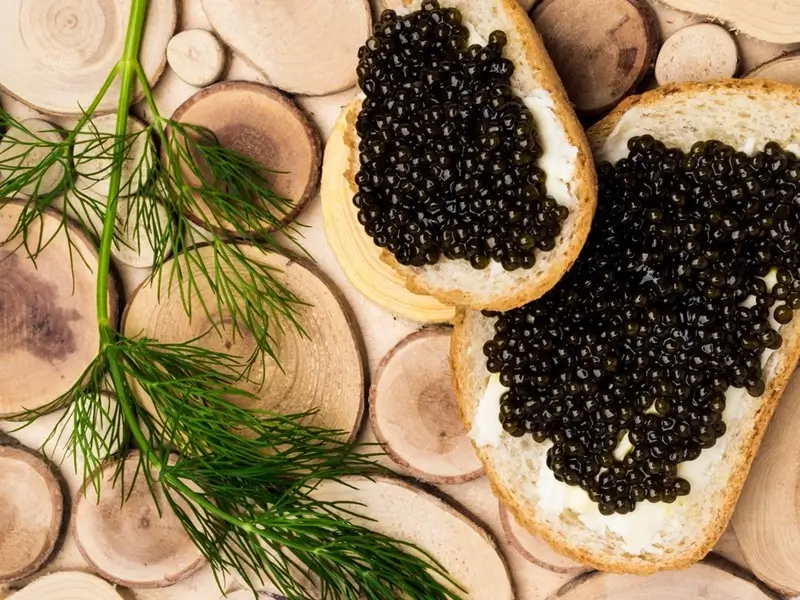
Iranian caviar, particularly from the Osetra sturgeon, is known for its rich, nutty flavor and firm texture. Travelers can explore local fisheries, enjoy caviar tastings, and pair the delicacy with traditional Persian accompaniments like toast, crème fraîche, or chilled vodka.
Source: Depositphotos.
France: Elegance Meets Gastronomy
For many food lovers, France represents culinary sophistication, and its approach to caviar reflects this elegance.
The southwestern region of France, particularly around Bordeaux, has become notable for its freshwater sturgeon farms.
French caviar producers often emphasize artisanal methods and sustainable farming, resulting in caviar with nuanced flavors and a delicate texture that differs from the brinier Caspian varieties.
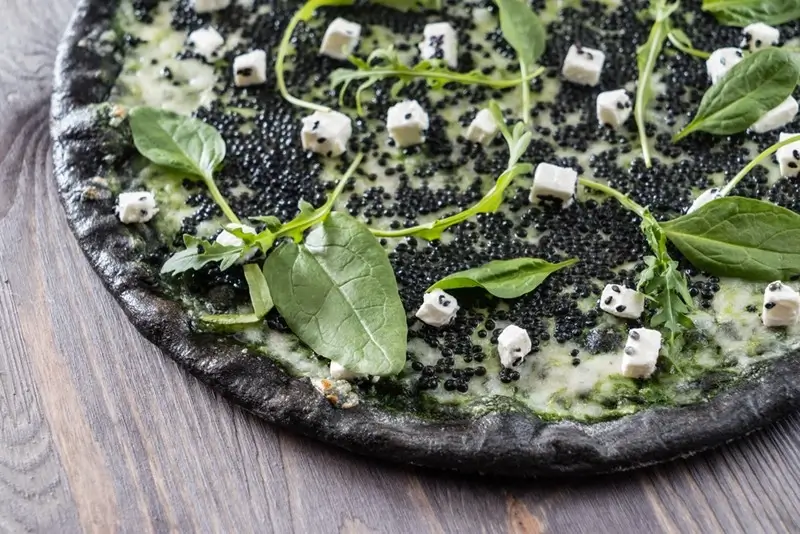
French gastronomy elevates caviar beyond a mere appetizer. In high-end restaurants, it is paired with champagne, truffles, or blinis infused with local ingredients.
For travelers, visiting caviar farms in France offers insight into modern production techniques, blending traditional expertise with innovative, environmentally conscious practices.
The experience often includes tasting sessions where visitors can savor caviar alongside locally crafted wines and spirits, creating a uniquely French culinary journey.
Source: Depositphotos.
Italy: A Rising Star in Caviar Culture
Italy may be famous for pasta, cheese, and wine, but certain regions have also embraced caviar production.
The northern areas, particularly in Turin and the Po Valley, have developed sturgeon farms producing high-quality freshwater caviar.
Italian caviar tends to have a milder flavor and smaller grains compared to its Caspian counterparts, making it ideal for pairing with delicate Italian cuisine.
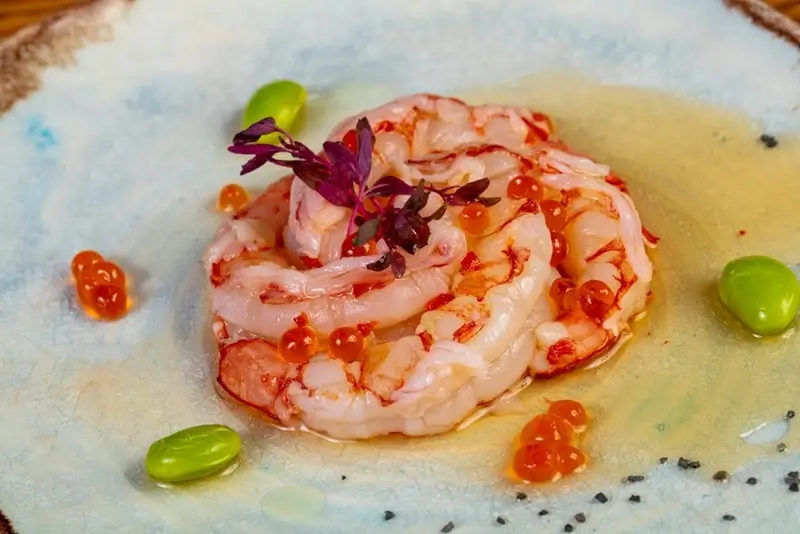
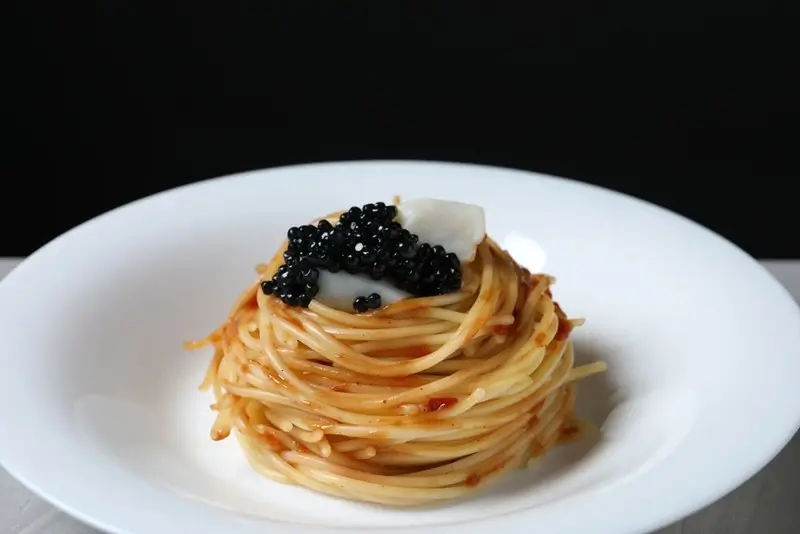
Italian caviar experiences often include cooking workshops where chefs demonstrate how to incorporate this luxury ingredient into traditional dishes, from risotto to seafood pastas.
Tourists can explore boutique producers who emphasize sustainability and traceability, highlighting the growing trend of eco-conscious luxury in Italian gastronomy.
For travelers who appreciate culinary storytelling, Italian caviar offers a unique fusion of tradition, innovation, and regional flavor profiles.
Source: Depositphotos.
United States: Domestic Caviar with Distinctive Character
The United States has seen a surge in domestic caviar production over the last two decades, particularly in states such as California, Montana, and Florida.
American caviar is typically produced from farm-raised sturgeon, with a focus on sustainability and ethical practices. Species like the White Sturgeon and Siberian Sturgeon have adapted well to domestic farms, offering high-quality caviar with unique flavor profiles.
California’s caviar farms, located near freshwater lakes and rivers, often provide immersive experiences for visitors.
Guests can tour hatcheries, observe the meticulous care of sturgeon, and participate in tastings. Pairing sessions with Californian wines or craft spirits give a modern twist to the luxury caviar experience, reflecting the innovative culinary culture of the West Coast.
Additionally, small-scale boutique farms across the US are making caviar more accessible, allowing travelers to enjoy premium products without venturing to traditional European or Caspian sources.
Sourrce: Depositphotos.
Japan: Innovation Meets Tradition
Japan offers a distinctive perspective on caviar.
While Japan does not have a historical tradition of sturgeon caviar, modern aquaculture techniques have allowed Japanese producers to cultivate high-quality roe.
Japanese caviar often emphasizes purity and subtlety, aligning with the country’s culinary ethos of enhancing natural flavors.
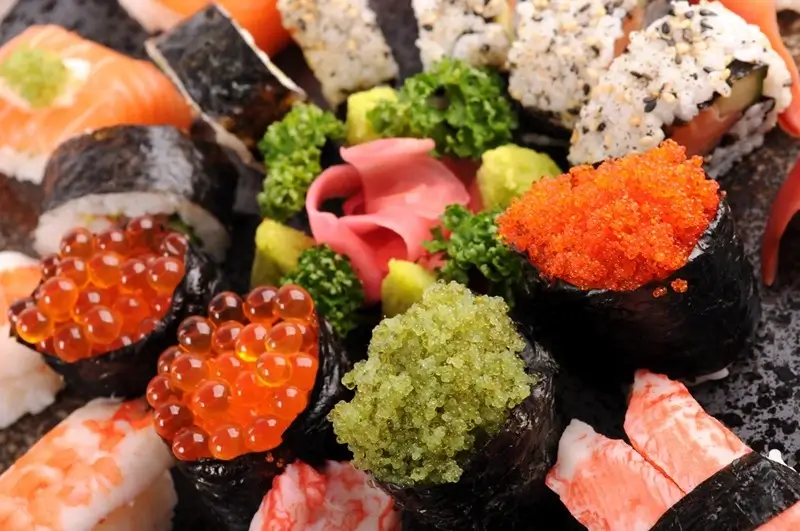
In Tokyo and other major cities, caviar tasting experiences may be integrated into high-end sushi and kaiseki dining. Here, caviar is appreciated not just as a standalone delicacy but as an ingredient that complements seafood, rice, and seasonal vegetables.
Japanese attention to presentation and harmony makes these experiences visually stunning as well as delicious, offering travelers a fusion of luxury and artistry in their caviar exploration.
Source: Depositphotos.
Tips for the Discerning Caviar Traveler
Exploring caviar destinations involves more than tasting—it requires an appreciation for heritage, sustainability, and regional variation. Here are some tips for travelers seeking an authentic caviar experience:
Learn the Types – Understand the differences between Beluga, Osetra, and Sevruga, as well as freshwater sturgeon varieties. Each offers a distinct flavor and texture.
Pair Wisely – Classic accompaniments include blinis, crème fraîche, and chilled spirits like vodka or champagne. Regional variations can enhance your tasting experience.
Visit Farms and Boutiques – Beyond restaurants, touring production sites offers insight into sustainable practices and traditional techniques.
Respect Seasonality – Certain caviar types are harvested seasonally; planning travel accordingly can maximize freshness and flavor.
Know How to Eat Caviar – Taking the time to savor caviar slowly, using non-metal utensils, and appreciating its texture and aroma is part of truly enjoying this luxury food.
Engage with Local Culture – Caviar is more than food; it’s tied to local history, traditions, and economy. Guided tours or culinary workshops enrich the experience.
Source: Depositphotos.
Conclusion
Caviar travel offers a unique intersection of luxury, culture, and gastronomy.
From the historic sturgeon-rich waters of the Caspian Sea to the modern, innovative farms of the United States and Japan, each destination provides a distinct flavor of this prized delicacy.
For culinary travelers, exploring caviar is an opportunity to savor history, sustainability, and artistry in every bite.
Whether you’re indulging in the nutty richness of Iranian Osetra, the refined subtlety of French caviar, or the innovative twists of Japanese varieties, the journey is as memorable as the taste.
Traveling for caviar isn’t just about indulgence—it’s about connecting with the stories, traditions, and craft behind one of the world’s most luxurious foods.
For those willing to embark on this gourmet adventure, the world’s caviar destinations promise experiences that are as rich and layered as the caviar itself.
Disclaimer:
This post may contain affiliate links. I receive a small commission at no cost to you when you make a purchase using my link.