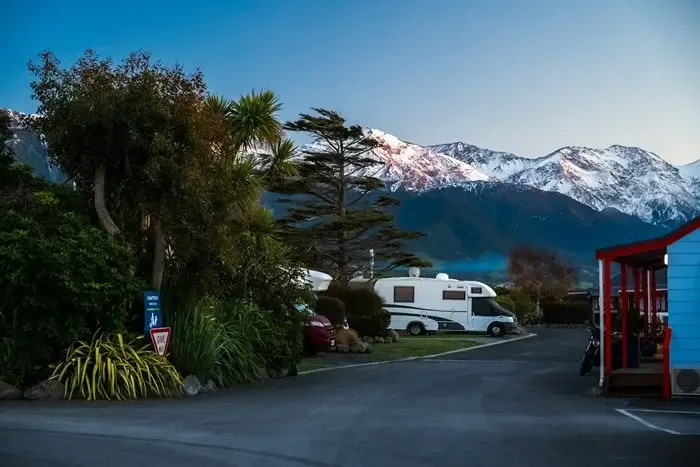
If you are weighing up a road trip around New Zealand, a campervan quote can look reassuringly complete: transport, a bed and a small kitchen wrapped into one daily rate. Compared with booking a hire car and accommodation separately, it is easy to see the appeal.
What the quote leaves out is where the vehicle will spend each night. In New Zealand, that depends on the van’s self-containment certification, the council or Department of Conservation rules at each stop and whether a campsite charges a fee, even when it cannot be booked.
That is why New Zealand campervan pricing only makes sense once your overnight stops are part of the calculation. The sections below cover how to check the vehicle and each location, how to budget for campsites and how to compare the whole trip with a car-and-accommodation option.
The result is a clearer picture of which nights are confirmed, which remain flexible and how much money to set aside. It may also change which quote looks like the better deal.
Campervan Cost in New Zealand: How to Budget Every Overnight Stop
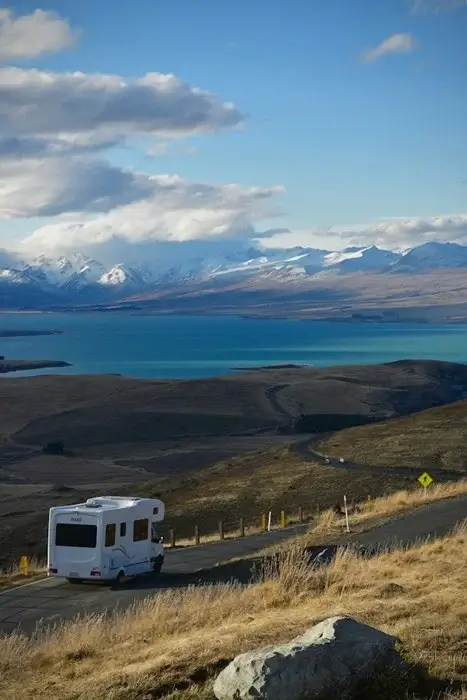
Source: Unsplash.
Check the Vehicle and the Location Separately
Start with the places you want to visit and identify realistic options for staying nearby. Give each proposed stop a name and check who manages it; that determines where to look for its rules and fees.
Choosing how to travel New Zealand means comparing the complete road trip, including the overnight arrangements that a vehicle quote leaves for you to make.
New Zealand’s current freedom-camping guidance explains that the transition to the green-warrant certification system ended on 7 June 2026. The old blue self-containment stickers are no longer valid. A fixed toilet is required for certification; a portable toilet does not meet the requirements.
If you intend to use places reserved for certified self-contained vehicles, ask the rental company to confirm the specific vehicle’s current certification. An older photograph or a general description of the fleet is less useful than confirmation about the van you will receive.
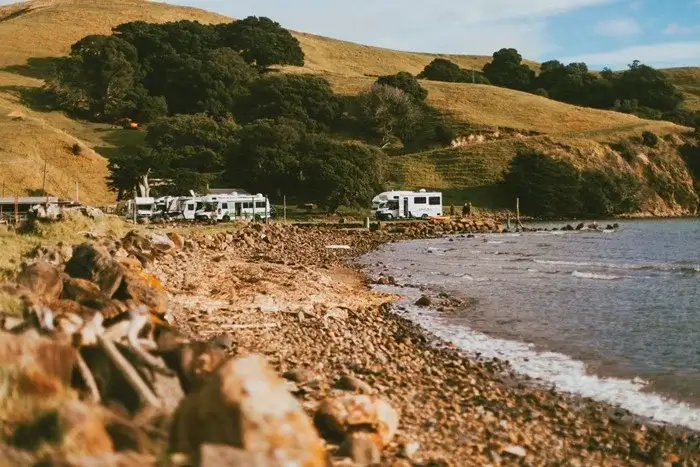
Source: Pexels.
Then check the location. Council bylaws and Department of Conservation restrictions can limit where freedom camping is allowed, including for certified vehicles. A green warrant does not override a prohibition or a maximum-stay condition.
For your road-trip budget, the important result is a list of nights you can realistically use. Avoid counting every scenic parking area as an available campsite, or assuming that one district’s rules apply to the next.
No Reservation Does Not Necessarily Mean No Fee
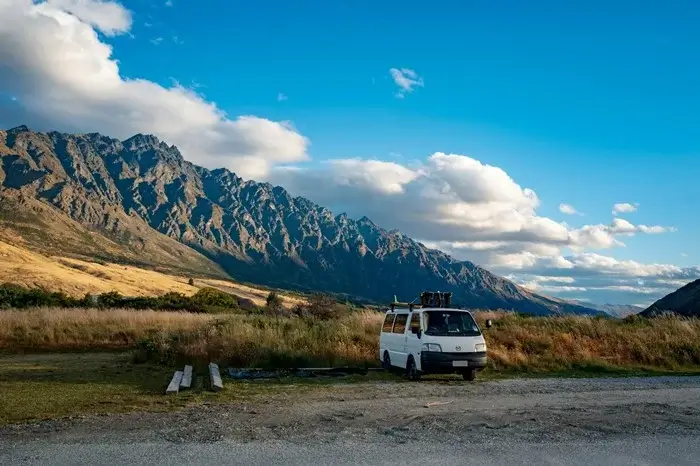
Source: Unsplash.
A separate distinction applies at DOC campsites: some accept bookings, while others operate on a first-come, first-served basis. The booking arrangement does not tell you whether the night is free.
DOC’s campsite booking and payment guidance says some non-bookable campsites still charge fees. Payment may be made through a self-registration stand or to a camp warden when present. Each campsite’s page explains its arrangements.
Record the charging basis as well: whether the amount shown is per person or for the whole party. Use the full party’s nightly total when comparing it with an accommodation quote.
For a bookable site, check availability for your dates and the total charge for your party. For a non-bookable site, include any applicable fee and have another suitable option if it is full. A first-come place cannot be treated as a confirmed overnight stop.
Facilities deserve the same attention. Compare what the campsite actually provides with what the vehicle provides and what you want to use. Ask about showers or a powered site if those matter to your trip, then check whether the quoted price covers them.
This is where an initially vague camping allowance becomes a useful budget. You can see which nights are confirmed, which remain flexible and how much money to keep available for alternatives.
Compare Two Complete Trips
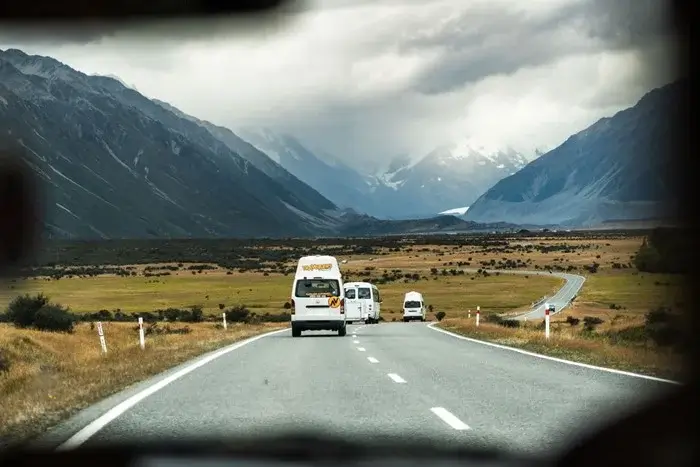
Source: Pexels.
Once the overnight route is clear, compare the campervan plan with a hire car and accommodation on the same dates.
Keep the number of travelers and the places visited consistent so you are comparing trips you would actually take. For the van, add its rental cost and extras to the campsite allowance. Include the fuel and driving involved in reaching your chosen overnight locations.
A free stop farther from tomorrow’s destination may save a campsite fee while adding travel you would otherwise avoid.
For the car-and-accommodation option, check the full accommodation quote, parking arrangements and access to cooking facilities. Friends considering a shared cabin stay should agree on how the total will be divided before using a per-person figure in the comparison.
Source: Unsplash.
Comfort also belongs in the decision. If the group expects regular showers, reliable access to facilities and a settled place for the evening, budget for arrangements that provide those things.
A plan built around conveniences nobody wants to give up should price them from the start.
You may still choose the campervan because you enjoy camping and want your belongings close at hand. That can be good value even when some nights cost money.
The useful comparison shows what the chosen travel style requires, including the nights beyond the rental counter.
Note:Camping rules, fees and availability can change. Check current council, DOC and campsite information for your travel dates.
Conclusion
Source: Pexels.
A campervan quote covers the road trip vehicle, but it does not cover the nights. Until you know where the van will stop and what each stop costs, the daily rate is only part of the price.
The most reliable approach is to check the vehicle and the location separately. Confirm the specific van’s green-warrant certification, then check the council and Department of Conservation rules for each place you intend to stay.
From there, build a realistic overnight allowance. Note which campsites charge fees, whether those fees are per person or per party and which first-come sites need a backup option nearby.
With those nights priced, campervan hire in New Zealand can be compared fairly with a hire car and accommodation on the same route. Include fuel, extras and the facilities your group expects, and the better value for your trip becomes much easier to see.
Before you book, check the current council, DOC and campsite information for your travel dates, then put together your overnight list and run the numbers on both options.
If you are still shaping your route, browse our other New Zealand travel guides for more ideas on where to go next.
Disclaimer:
This post may contain affiliate links. I receive a small commission at no cost to you when you make a purchase using my link.