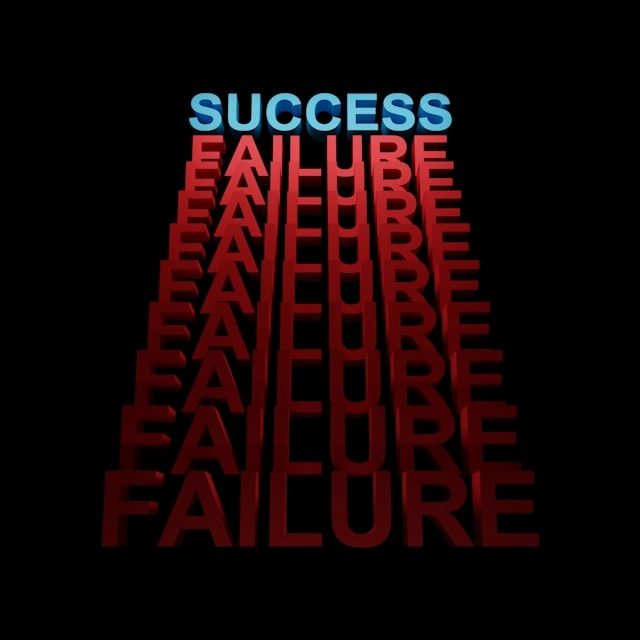
Most people think resilience shows up in dramatic moments — grit, stubborn optimism, or the will to keep going when everything feels uncertain. In everyday life, though, it usually looks much quieter: editing the plan instead of abandoning the goal, and naming what isn't working before making the next move.
That shift matters most when you're figuring out how to recover from a setback, whether it shows up in business, money, work, or personal growth. A failed launch, a dropped client, or a stretch of financial pressure can feel like a verdict on the whole effort. More often, it's simply a signal to adjust.
For people dealing with serious financial strain, learning about options such as business debt relief can be one example of resilience in action, because it turns panic into a practical next step.
What makes this perspective powerful is that it removes some of the shame from struggle. Resilient people are not magically protected from bad outcomes.
Resilient people aren't magically protected from bad outcomes. They still misjudge timing, run into market shifts, or realize their original strategy was too rigid — the difference is they treat the result as information.
Ahead, we'll break down what that looks like in practice: why adjustment isn't the same as giving up, what failure is actually trying to teach you, and the small, repeatable moves that turn a rough season into real progress.
Why a Setback in Business Might Be Your Best Teacher
Source: Unsplash.
Adjustment Is Not the Same as Giving Up
There is a common misunderstanding that changing direction means lowering your standards. It does not.
Sometimes the strongest response to a setback is to stop forcing a plan that no longer fits the facts. Adjustment is not surrender. It is a sign that you are paying attention.
Think about how people respond when something important goes wrong. One person may double down out of pride and repeat the same habits until the damage grows.
Source: Unsplash.
Another may pause, study the problem, and change how they allocate time, money, energy, or expectations. The second person is not weaker. In many cases, they are far more disciplined.
This matters because real life rarely rewards perfect consistency. It rewards useful responsiveness. Even strong businesses revise processes when conditions change.
The U.S. Small Business Administration highlights the value of planning, market research, and funding preparation, all of which support the kind of steady adjustment that helps organizations stay viable under pressure.
Planning your business with guidance from the U.S. Small Business Administration fits naturally into this mindset.
Source: Unsplash.
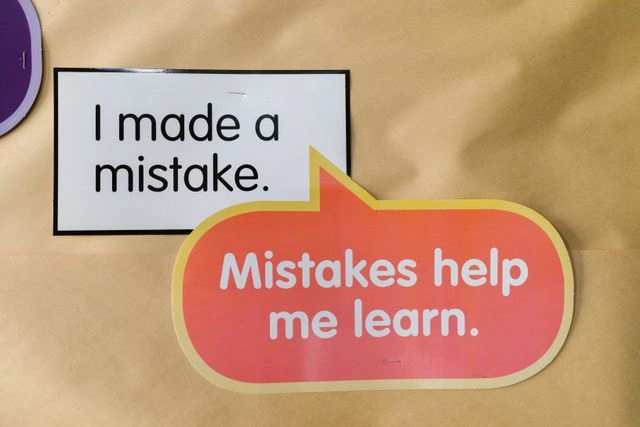
Failure Has a Job to Do
We often talk about failure as if its only purpose is pain. But failure can do a job, if you let it.
It can expose weak systems, unrealistic assumptions, poor timing, skill gaps, and emotional habits that success might have hidden for longer.
That is why resilient people do not just “bounce back.” Sometimes they come back differently. They become more precise. They make fewer emotional decisions. They stop chasing every opportunity and start focusing on the few that actually fit. They become less attached to appearances and more committed to evidence.
This can be uncomfortable because feedback is rarely flattering at first.
If a project stalls, the lesson may be that the plan was vague. If income falls, the lesson may be that financial margins were too thin.
If burnout sets in, the lesson may be that productivity was being purchased at the cost of health. None of those realizations feel good in the moment. Still, each one gives you something valuable: a clearer map.
Source: Pexels.
The Gap Tells You What to Learn Next
One of the most practical ways to build resilience is to study the gap between where you expected to be and where you actually are. That gap often contains the next lesson.
Maybe the gap is technical. You need stronger budgeting, clearer reporting, better pricing, or improved negotiation skills. Maybe it is relational.
You need better communication, firmer boundaries, or a more reliable support system. Maybe it is emotional. You need to recognize when stress is driving impulsive choices or making every problem feel permanent.
Emotional strain can distort judgment, which is why resilience also depends on self awareness. Mental Health America explains that stress can affect the body, mood, and daily functioning in ways that make clear thinking harder.
Paying attention to those patterns can help people respond earlier, before pressure turns into paralysis. understanding the effects of stress through Mental Health America offers a helpful reminder that resilience is not just mental toughness. It also includes recognizing when your internal state is affecting your decisions.
When you identify the real gap, you stop wasting time on generic motivation. You can build the exact skill that the moment is asking for.
Source: Pexels.
Resilience Looks Better in Small Moves
People often wait for a breakthrough. Resilience usually works through smaller moves than that.
It might be a new morning review of finances. It might be one difficult phone call you have been avoiding. It might be cutting an offer that drains resources, or finally asking for expert help instead of trying to solve everything alone.
These small moves matter because they create proof. They remind you that you are not stuck, even if you are in a hard season.
Motion changes your relationship to fear. Once you begin adjusting, the setback starts losing some of its power to define the story.
This is especially true after disappointment. When a plan fails, confidence tends to collapse all at once.
The fastest way to rebuild it is not through positive thinking alone. It is through action that is modest, specific, and repeatable. Confidence grows when you can point to evidence and say, “I handled that better than I did last week.”
Source: Unsplash.
Long Term Success Is Usually Built Through Pivots
Many people imagine success as a straight climb. In reality, it is often a series of corrections.
People grow because they adapt to information they did not have at the beginning. They revise timelines. They outgrow old methods. They become more honest about what is sustainable.
That is why resilience is so closely tied to long term success. It keeps a bad month from becoming a bad identity. It keeps one mistake from turning into a permanent conclusion.
Most important, it teaches you to separate the goal from the original method. You may still want the same future, even if you need a different route to reach it.
There is real freedom in that. You do not have to pretend the setback was enjoyable. You do not have to call every failure a blessing. You only have to be willing to use it.
When you do, the obstacle becomes part of the training. The disruption becomes information. The disappointment becomes a course correction.
Source: Pexels.
Conclusion
When things go wrong, resilience does not begin with pretending everything is fine. It begins with a better question. Not, “How do I erase this?” but, “How do I work with what this revealed?”
That question creates movement. It helps you look at facts without becoming consumed by them. It invites problem solving instead of self punishment. And over time, it builds a steadier kind of confidence, the kind rooted not in perfect outcomes, but in your ability to respond wisely when outcomes change.
Setbacks will still sting. They should. But they do not have to be the end of momentum.
In many cases, they are the moment when the plan becomes more realistic, the skills become sharper, and the next step becomes clearer. That is the quiet strength of resilience. It turns setbacks into adjustments, and adjustments into progress.
Disclaimer:
This post may contain affiliate links. I receive a small commission at no cost to you when you make a purchase using my link.