There is a point in long-term travel where small physical issues stop being background noise and start interfering with basic movement. It does not usually happen in one moment.
It builds through repetition, poor setups, and the kind of daily strain that goes unnoticed until it does not.
That week in the UK was where it caught up.
I had been moving across United Kingdom with the usual setup. Backpack, laptop, inconsistent beds, and a routine built around getting from one place to the next without much downtime. It worked until it didn’t.
Suffering From Back Pain Is Harder During Long-Term Travel
Source: Unsplash.
What Builds Up Before It Fails
Back issues while traveling rarely come from a single event. They build through patterns.
Beds change constantly. Some are too soft, others too firm. Pillows vary. Seating is often improvised, especially when working from cafés or temporary accommodations.
Then there is the carry load. Even a moderately packed bag, when lifted repeatedly and worn for long periods, puts strain on the lower back and shoulders.
Add long periods of sitting. Buses, trains, flights, and working sessions where posture is not ideal. None of it is extreme, but it is consistent.
That is what leads to the tipping point.
The Week It Became a Problem
Source: Unsplash.
It happened during a week based around Horsham.
The address itself was specific, not a tourist setting. More of a functional area, with business units, light industrial spaces, and practical infrastructure rather than anything designed for visitors.
That context matters because it changes how you respond. You are not surrounded by quick solutions. You have to deal with the issue directly.
When Movement Stops Being Automatic
The shift was immediate.
Simple movements started to slow down. Getting out of my working chair required adjustment. Walking was fine at first, then gradually less comfortable over distance. Sitting for longer periods became the main trigger.
This is where travel routines break. You cannot just move through it. Every part of the day becomes affected, from carrying a bag to standing in line.
Finding a Local Solution Instead of Waiting It Out
Source: Unsplash.
Waiting was not an option. In a place like Horsham, the approach is straightforward. You look for a local provider and deal with it.
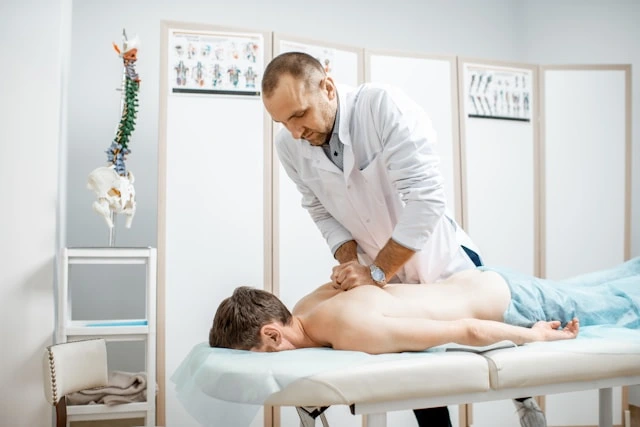
Clinics like this are built around practical treatment rather than long-term programs for visitors. You go in, get assessed, and start addressing the issue immediately.
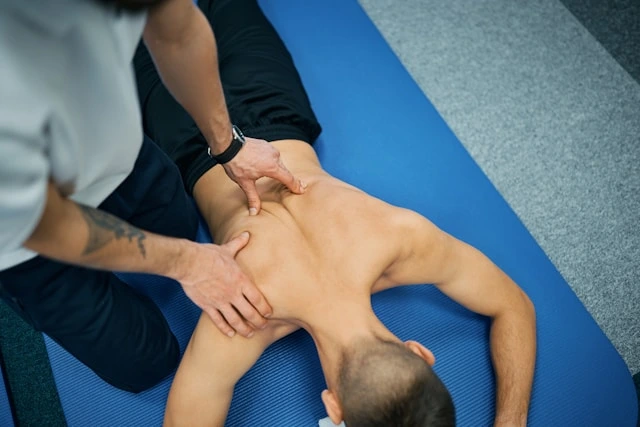
The process was direct. Assessment first, then targeted adjustments and guidance on movement and posture.
No unnecessary steps, just a focus on restoring basic function.
What Treatment Actually Looks Like
Chiropractic treatment in the UK follows a structured approach.
It starts with understanding the cause. Not just where it hurts, but how it developed. That includes posture, recent activity, and any repetitive strain.
Then comes the physical work. Adjustments are precise. The goal is to restore alignment and reduce pressure on affected areas. It is not about temporary relief alone, but about correcting the mechanics behind the issue.
There is also an emphasis on follow-up. You are given guidance on how to sit, how to move, and what to avoid while recovering. In some cases, simple exercises are recommended to support the process.
This is where the difference shows. It is not a one-time fix. It is a combination of treatment and adjustment in daily behavior.
How the Environment Affects Recovery
Source: Unsplash.
Recovery during travel is different from recovery at home. You do not have a fixed setup. Beds vary, seating changes, and routines are not stable.
In Horsham, the advantage was having a temporary base. Staying in one place for a few days allowed for consistency. The same bed, the same space, fewer variables.
That made it easier to apply what was recommended. Sitting positions were adjusted. Lifting was minimized. Movement was controlled rather than rushed.
This is not always possible when moving daily.
The Role of Infrastructure in Situations Like This
Source: Unsplash.
The UK makes situations like this manageable because of accessibility.
Healthcare services, including chiropractic clinics, are widely available. Even outside major cities, you can find providers within a short distance.
Transport also plays a role.
Being able to reach a clinic without complex logistics matters when movement is limited. In areas like West Sussex, road access is straightforward, and distances between towns are manageable.
This reduces the delay between identifying a problem and addressing it.
What Changes After an Episode Like This
Source: Unsplash.
Once the immediate issue is handled, the focus shifts. You start paying attention to things that were previously ignored. How you lift your bag. How long you sit without adjusting position. The type of surface you sleep on.
You also make practical changes.
Packing becomes more deliberate. Weight is reduced where possible. Carry methods are adjusted to distribute load more evenly.
Work setups improve. Even temporary desks are arranged with more attention to posture. These are not major changes individually, but they reduce the likelihood of repeating the same problem.
Why This Matters for Travel in the UK
Traveling in the UK often involves a mix of walking, public transport, and short stays. That combination can be efficient, but it also creates conditions where strain builds up.
Distances between destinations are not extreme, but movement is frequent. You are constantly transitioning between environments.
That is where physical issues can develop. The advantage is that solutions are accessible.
Clinics, services, and infrastructure are in place to handle these situations without requiring major disruption to travel plans.
What That Week Actually Showed
Source: Unsplash.
That week was not about injury in a dramatic sense. It was about accumulation. Small factors, repeated over time, leading to a point where normal movement was affected. It also showed how quickly things can be addressed when the right systems are in place.
Access to treatment, a stable base for a few days, and a willingness to adjust routines made the difference.
The Practical Takeaway
Travel does not remove physical limits. It often exposes them. Carrying weight, sitting for long periods, and sleeping in different environments all add up. The key is recognizing when something needs to be addressed and acting on it quickly.
In this case, it meant stopping, finding a local solution, and resetting how daily movement was handled. That is what got things back to normal. And that is what keeps it from happening again.
Disclaimer:
This post may contain affiliate links. I receive a small commission at no cost to you when you make a purchase using my link.