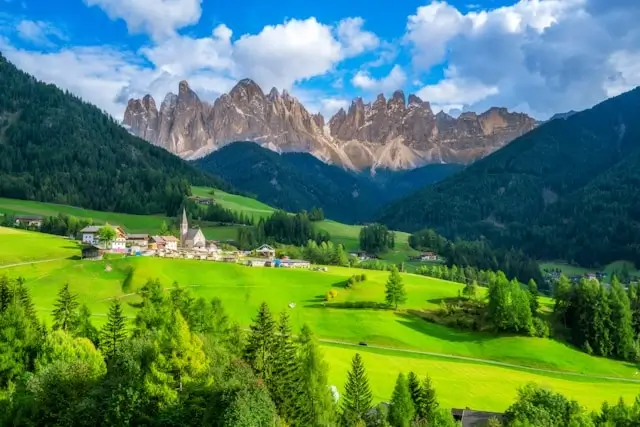
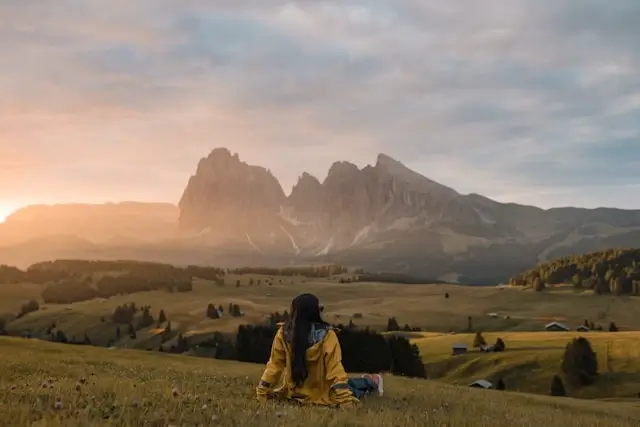
The jagged peaks of northeastern Italy's Dolomites have attracted mountaineers, photographers, and outdoor enthusiasts for centuries.
Rising dramatically from ancient coral reefs turned to stone, these UNESCO World Heritage mountains deliver Italian Alps hiking that combines challenging terrain with striking geological formations. The pale gray and pink-hued spires change color at sunrise and sunset in a phenomenon locals call “enrosadira.”
This guide covers the practical essentials for trekking these peaks—from multi-day alta via routes connecting mountain refuges to the cultural heritage reflected in trilingual villages.
You'll find timing recommendations, physical preparation requirements, and what makes the rifugio system work for hut-to-hut trekking.
Whether you're considering your first alpine trek or planning an extended route through the range, the following sections break down what to expect from the trails, the mountain huts, and the region's layered history.
What makes the Dolomites distinct is their geological composition.
Unlike typical granite alps, these peaks are formed from ancient coral reefs that once lay beneath a prehistoric sea.
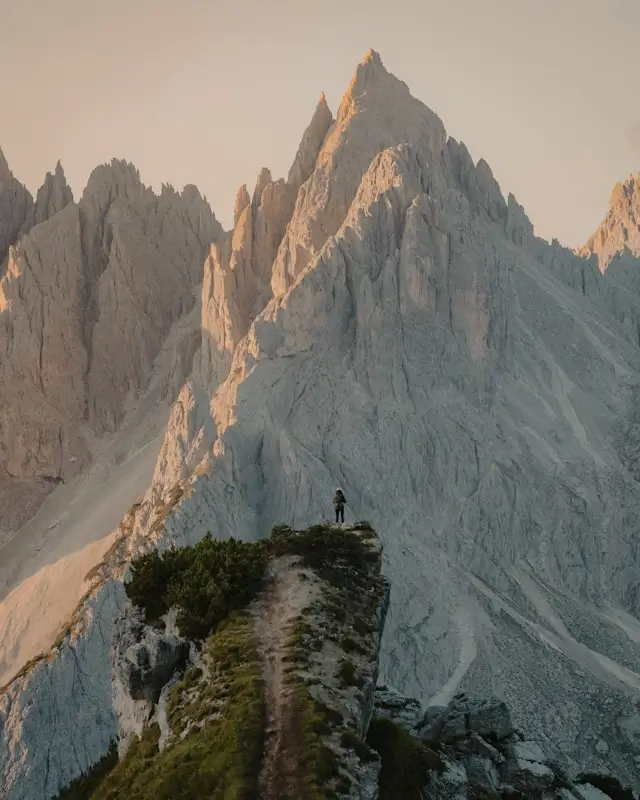
Over millions of years, tectonic forces pushed these limestone formations upward, creating the distinctive pale gray and pink-hued spires that change color during sunrise and sunset—a phenomenon locals call “enrosadira” or alpenglow.
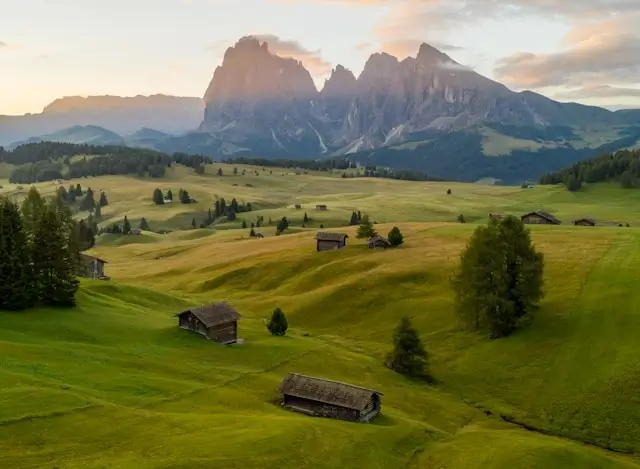
The dramatic vertical rock faces, separated by green valleys and alpine meadows, create a varied landscape. Deep gorges carved by glacial meltwater contrast with rolling pastures where livestock graze throughout the summer months.
This diversity of terrain makes the region accessible to hikers of varying skill levels while offering routes that challenge experienced trekkers.
Cultural Heritage in the Mountains
Source: Unsplash.
The human history of these mountains is as layered as the landscape itself.
For centuries, this region has been a meeting point of Italian, Austrian, and Ladin cultures, creating a trilingual heritage that continues today.
Mountain refuges, known as rifugios, serve traditional dishes that reflect this cultural mix—from Austrian-inspired dumplings to Italian pasta, often accompanied by locally produced wines and cheeses.
These mountain huts serve a practical purpose beyond meals and rest. They represent a centuries-old tradition of mountain hospitality, where travelers share tables and stories from the day's hikes.
Many rifugios are family-run operations that have been welcoming hikers for generations, maintaining traditions while adapting to sustainable tourism practices.
Multi-Day Alta Via Routes
Source: Unsplash.
Among the various ways to explore the Dolomites, the alta via routes offer exceptional multi-day trekking opportunities.
These high-altitude paths traverse the mountain range, connecting valleys and peaks through a network of maintained trails.
For those seeking an extended mountain experience, Dolomites hiking tours provide structured itineraries that take hikers from one mountain refuge to another, allowing travelers to move at their own pace while covering significant ground through the range.
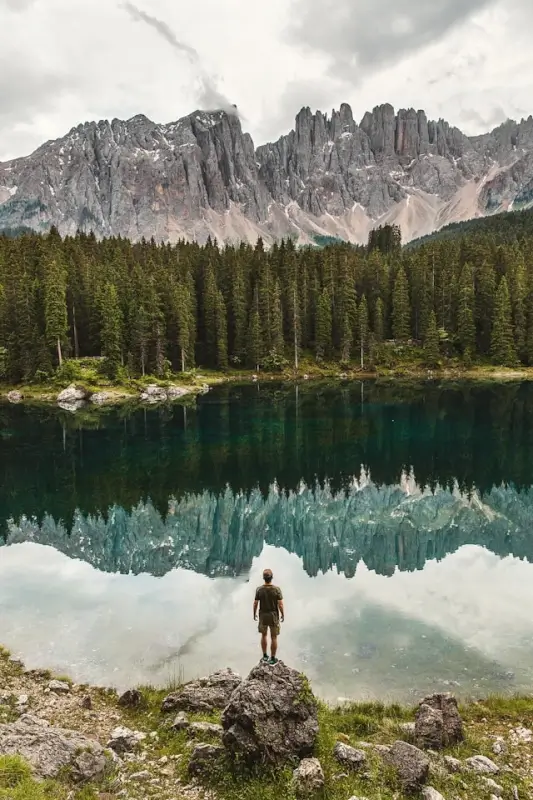
The structure of these extended treks follows a consistent pattern. Each day typically involves several hours of hiking through alpine meadows, past mountain lakes, and along rocky ridges with expansive views.
Mornings begin from the rifugio, and afternoons bring arrival at the next hut, with evenings spent observing the alpenglow on the peaks.
Practical Considerations for Planning
Source: Unsplash.
Timing matters when planning a Dolomites trek. The official hiking season runs from late June through September, when trails are generally snow-free and rifugios are fully operational.
July and August offer the most stable weather but attract larger numbers of hikers. Early September can be advantageous, with fewer people on the trails, comfortable temperatures, and early autumn colors in the Italian forests.
Mountain weather can change quickly, and appropriate preparation is necessary. Even summer days can turn cold at higher elevations, and afternoon thunderstorms occur regularly.
Proper layering, quality waterproof gear, and sturdy hiking boots are essential. The well-developed rifugio system means hikers can travel with lighter packs, as mountain huts provide meals and sleeping accommodations.
Physical preparation is important for multi-day treks in the Dolomites. Daily hiking distances typically range from 10 to 20 kilometers, with elevation gains that can exceed 1,000 meters.
While the trails are well-maintained and marked, they often involve steep ascents and descents on rocky terrain. Regular cardiovascular exercise and practice hikes with elevation gain are recommended preparation.
The Surrounding Region
Source: Unsplash.
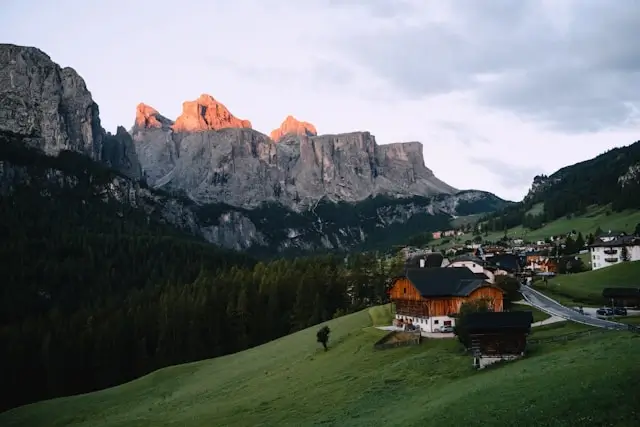
The valleys surrounding the Dolomites offer additional exploration opportunities. Traditional villages showcase alpine architecture, with wooden structures and distinctive church designs.
Local museums document the region's World War I history, when these mountains formed the front line between Italian and Austro-Hungarian forces.
Cable cars provide access to higher elevations for those wanting mountain views without extended hiking.
The Dolomites combine striking geology, established infrastructure, and practical mountain hospitality.
Whether pursuing challenging climbs, valley walks, or multi-day hut-to-hut treks, the range provides hiking experiences across skill levels.
The combination of natural features, functional trail systems, and accessible mountain refuges makes this region a practical choice for alpine trekking in Europe.
Conclusion
Source: Unsplash.
The Dolomites offer a distinct approach to Italian Alps hiking, where geological history meets functional mountain infrastructure. The combination of ancient coral reef formations, well-maintained trails, and the established rifugio system creates accessible alpine trekking across multiple skill levels.
Planning matters here more than spontaneity. Weather patterns, seasonal timing, and physical preparation directly affect the quality of your trek through these northeastern peaks.
The cultural layers add depth beyond the scenery. Trilingual heritage, World War I history, and generations of mountain hospitality provide context to the landscape you're moving through.
Multi-day alta via routes connect the range's highlights while the rifugio network eliminates the need for heavy camping gear. This infrastructure allows focus on the actual hiking rather than logistics.
So, are you ready to plan your Dolomites trek?
Disclaimer:
This post may contain affiliate links. I receive a small commission at no cost to you when you make a purchase using my link.