If you're searching for the ultimate Ha Giang Loop guide, you've landed in the right place. The Ha Giang Loop in northern Vietnam is a bucket-list adventure for motorbike enthusiasts and nature lovers alike.
Updated for 2025, this comprehensive Ha Giang Loop guide covers everything from planning your trip to a detailed 4-day itinerary, ensuring you make the most of this epic journey.
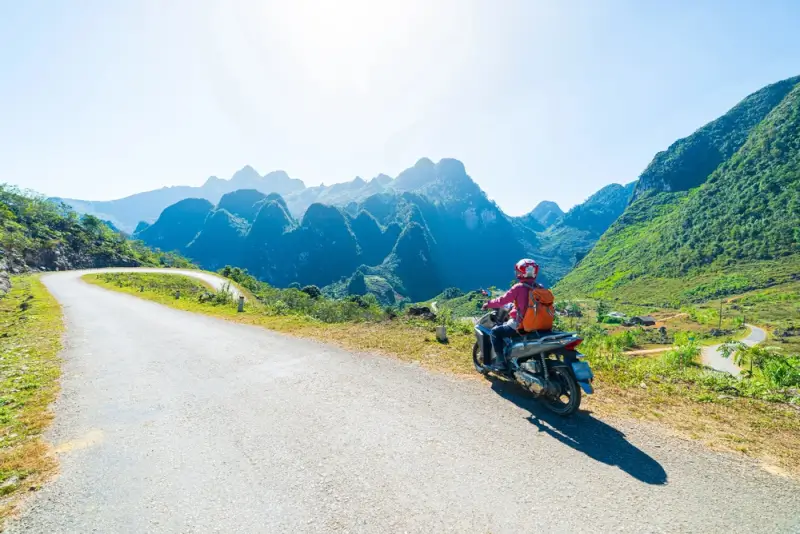
Whether you're a solo traveler or in a group, get ready for breathtaking views and cultural immersion through Ha Giang motorbike trip that will leave you spellbound.
Northern Vietnam Guide: Everything You Need to Know About the Ha Giang Loop Motorbike Itinerary
Source: Unsplash.
What and Where is the Ha Giang Loop?
The Ha Giang Loop is a legendary motorbike route in Vietnam's northernmost province, Ha Giang.
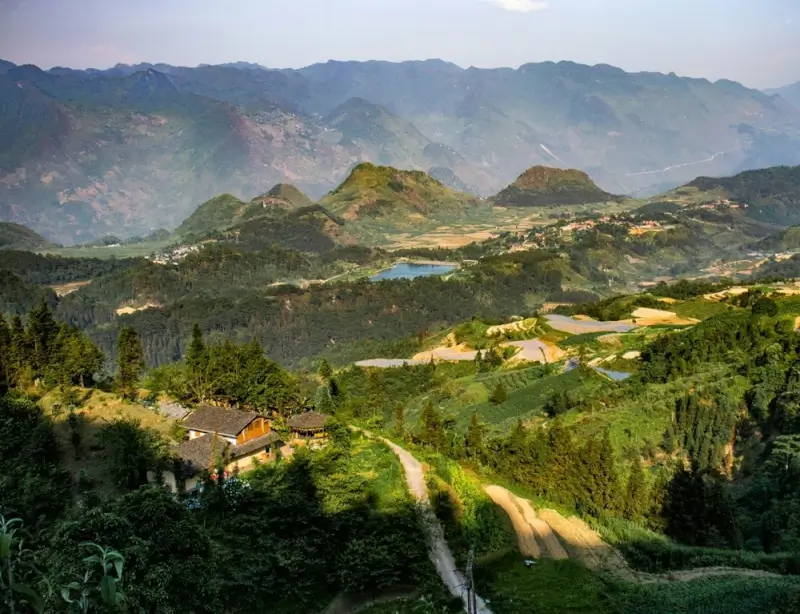
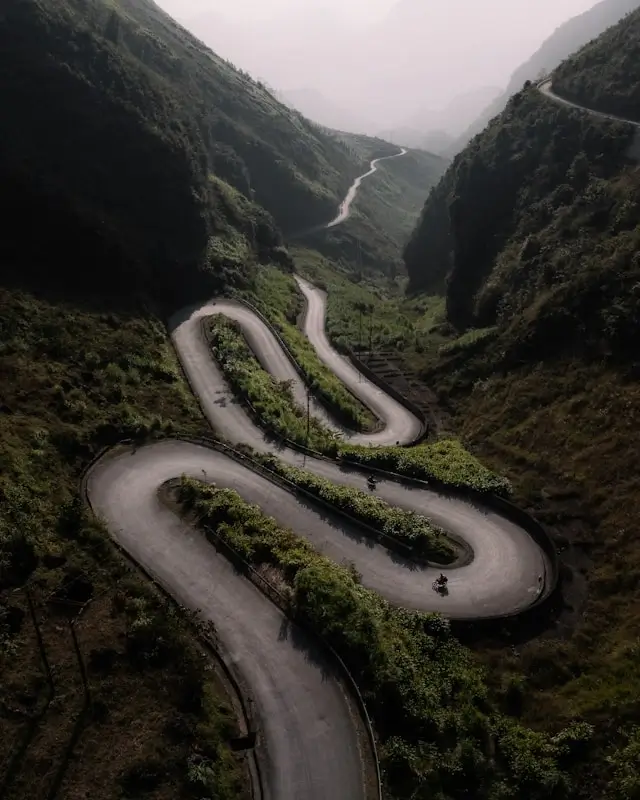
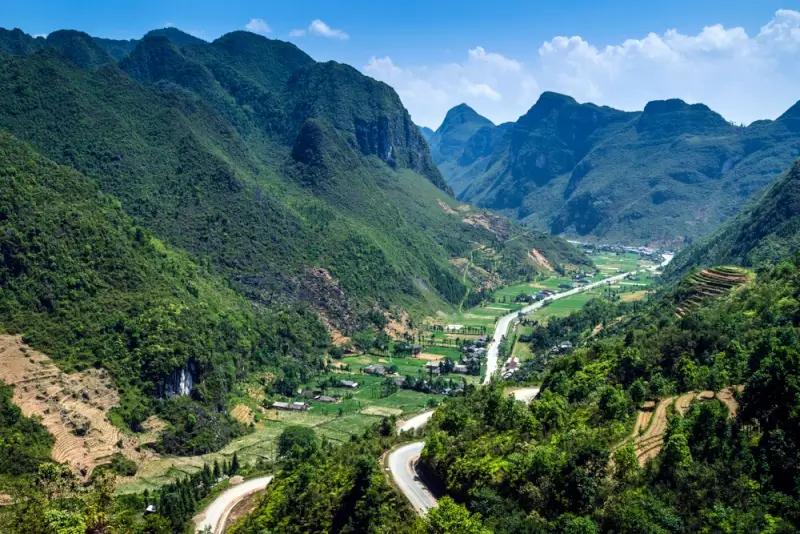
Starting and ending in Ha Giang City, the loop spans approximately 370 kilometers (230 miles) through the UNESCO-listed Dong Van Karst Plateau Geopark. This rugged terrain features towering limestone peaks, deep valleys, terraced rice fields, and winding roads that hug cliff edges.
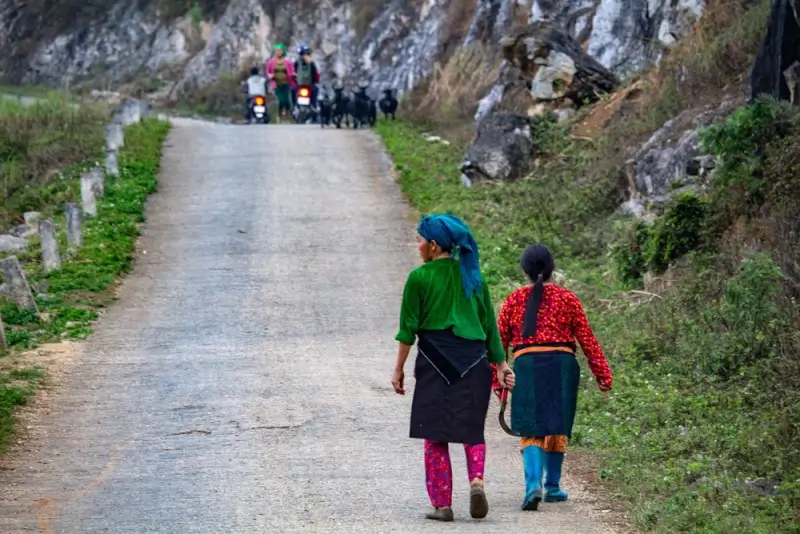
Located just a stone's throw from the Chinese border, the loop takes you through remote areas inhabited by ethnic groups like the Hmong, Tay, and Dao.
It's not just a drive—it's a cultural odyssey where you'll encounter traditional stilt houses, colorful markets, and ancient fortresses. As a top Ha Giang Loop guide emphasizes, this route is Vietnam's answer to the Hai Van Pass but amplified with more isolation and raw beauty.
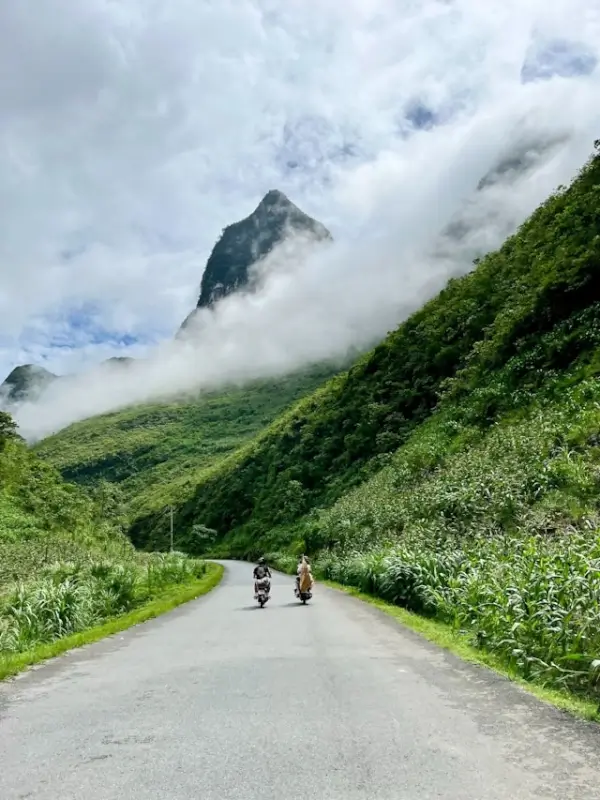
The scenery is otherworldly: imagine cruising past emerald rice paddies, misty mountains, and rivers carving through canyons. It's a photographer's dream and a thrill-seeker's paradise.
Beyond the visuals, the loop offers authentic cultural experiences. You'll interact with local ethnic communities, sample homemade corn wine, and learn about centuries-old traditions.
For adrenaline junkies, the hairpin turns and steep passes provide an unmatched rush. Travelers often describe it as life-changing—far from Vietnam's crowded tourist spots like Hanoi or Halong Bay.
If you're after an off-the-beaten-path escape, this Ha Giang Loop guide confirms it's unbeatable for immersion and adventure.
Best time to visit Ha Giang Loop
Source: Unsplash.
Timing your Ha Giang Loop trip is crucial for safety and enjoyment. The best periods are spring (March to May) and autumn (September to November), when temperatures hover between 15°C and 25°C (59°F and 77°F).
During these months, skies are clear, roads are dry, and landscapes burst with color—think blooming buckwheat fields in October or vibrant rice terraces in September.
Avoid summer (June to August) due to heavy rains, which can cause landslides and foggy conditions. Winter (December to February) brings cold snaps, with temperatures dropping to 6°C (43°F), and possible frost at higher elevations.
For 2025, aim for the shoulder seasons to dodge crowds while enjoying optimal weather, as recommended in any solid Ha Giang Loop guide.
How to get to Ha Giang?
Reaching Ha Giang City, the loop's gateway, is straightforward from major hubs like Hanoi. Here's how:
Buses to Ha Giang
The most popular and budget-friendly option is taking a bus from Hanoi. The journey takes about 6 hours, covering 300km on well-maintained highways.
Sleeper buses depart from My Dinh Bus Station in Hanoi, with tickets costing around 200,000-300,000 VND ($8-12 USD). Options include standard sleepers or more comfortable limousines for a smoother ride.
For hassle-free planning, consider booking through reliable local services. Navigate to the bus booking service at Lila Inn & Tours for seamless reservations, including pick-up options and up-to-date schedules tailored for loop adventurers.
Other options to Ha Giang
If buses aren't your style, rent a car or hire a private driver from Hanoi for more flexibility—expect to pay 2,000,000-3,000,000 VND ($80-120 USD) one way.
Flying isn't direct; the nearest airport is in Hanoi, so you'll still need ground transport. For the adventurous, overnight trains to Lao Cai (near Sapa) followed by a bus transfer work, but add extra time.
Whichever way, arrive rested for the loop ahead.
How Long Does it Take to Ride the Ha Giang Loop?
Source: Depositphotos.
The Ha Giang Loop typically takes 3 to 5 days, depending on your pace and stops.
A rushed 3-day trip covers the essentials but leaves little room for detours. Most opt for 4 days, balancing scenic drives with cultural explorations without exhaustion.
If you have 5 days, you can linger in villages or add side trips like Lung Cu Flag Tower.
In this Ha Giang Loop guide, we focus on a 4-day itinerary, ideal for experiencing the highlights at a comfortable rhythm—averaging 80-120km per day.
4-Day Ha Giang Loop Itinerary
Source: Depositphotos.
Embarking on the Ha Giang Loop? A guided tour can enhance safety and insights, especially for first-timers.
Navigate to Ha Giang Loop Tours at Lila Inn & Tours for expert-led options, including easy rider experiences and group adventures that handle logistics while letting you soak in the views.
Day 1: Ha Giang → Quan Ba → Yen Minh
Kick off from Ha Giang City after securing your permit and bike.
The first 100km to Yen Minh introduces the loop's drama: climb Bac Sum Pass for panoramic views, then hit Quan Ba Heaven Gate—a misty viewpoint overlooking the “Fairy Bosom” twin mountains.
Stop in Lung Tam village to see Hmong women weaving colorful textiles. Wind through pine forests to Yen Minh for the night. Expect 4-5 hours of riding with photo stops.
Source: Depositphotos.
Day 2: Yen Minh → Dong Van
Day 2's 120km stretch amps up the adventure. Pass through Pho Bang, a quaint border town with Chinese influences, then visit the historic House of Pao and the opulent Hmong King Palace in Sa Phin Valley.
Optional detour: Lung Cu Flag Tower, Vietnam's northernmost point. Arrive in Dong Van, a UNESCO geopark town, by evening. This day blends history and heights—perfect for cultural buffs.
Day 3: Dong Van → Ma Pi Leng Pass → Meo Vac
The 75km to Meo Vac is the loop's crown jewel. Traverse Ma Pi Leng Pass, one of Asia's most spectacular roads, with sheer drops to the Nho Que River below.
Hike to viewpoints or boat through Tu San Canyon for extra thrills. Pass the “God Cliff” and descend to Meo Vac, known for its Sunday market bustling with ethnic traders. Stay here to unwind amid karst scenery.
Day 4: Meo Vac → Du Gia → Ha Giang
Wrap up with a 73km return via Du Gia. Swim at Du Gia Waterfall, cruise past lush rice terraces, and enjoy valley views.
Start early for breaks, arriving back in Ha Giang by afternoon. Reflect on the journey—perhaps celebrate with local pho.
Bike Rental for the Ha Giang Loop (2025 Updated)
Source: Depositphotos.
Renting a motorbike is key for the loop's freedom. In Ha Giang City, options range from semi-automatic scooters (ideal for beginners) to manual bikes for pros.
Daily rates in 2025 hover at $6-20 USD, depending on model—go for reliable Hondas or Yamahas with good tires for mountain roads.
For top-notch rentals with maintenance checks and helmets included, navigate to motorbike rental services at Lila Inn & Tours.
They offer well-maintained bikes, insurance options, and tips for safe riding, ensuring your Ha Giang Loop guide adventure starts smoothly.
Permits Needed To Ride The Ha Giang Loop
Foreigners require a travel permit for Ha Giang's border zones, costing about 200,000 VND ($8 USD). Obtain it at the Immigration Office in Ha Giang City upon arrival—bring your passport, photos, and hotel details. It takes 30 minutes and is valid for your stay.
Tours often handle this, but self-riders must get it solo. No permit? Fines or turnarounds await at checkpoints.
Ha Giang Loop Accommodation
Source: Depositphotos.
Accommodations along the loop are rustic yet charming, focusing on homestays for cultural immersion. Expect shared dorms or private rooms in ethnic villages, priced $5-45 USD/night.
Yen Minh, Dong Van, and Meo Vac offer basic hotels with WiFi; book ahead in peak seasons.
For cozy, authentic stays, navigate to Lila Inn & Tours accommodation. Their hostel in Ha Giang provides clean rooms, home-cooked meals, and loop prep—perfect for resting before or after your ride.
Food & Drink in Ha Giang Loop
Dining on the loop is a highlight, blending Vietnamese staples with ethnic flavors.
Try pho bo (beef noodle soup), banh cuon (steamed rice rolls), or local specialties like thang co (horse stew) and buckwheat cakes. Meals cost $4-12 USD; homestays often include family-style dinners with corn wine (ruou ngo).
Roadside eateries serve fresh grilled meats and veggies. Vegetarians: Opt for com chay (vegan rice dishes). Hydrate with nuoc mia (sugarcane juice) or beer—stay moderate for safe riding.
Must-tries: Men men (steamed corn cakes), xoi ngu sac (five-color sticky rice).
Tips: Carry snacks for remote stretches; water is widely available.
Ha Giang Loop Packing List
Pack light—storage space on bikes is limited. Essentials include:
Health: First aid kit, medications, reusable water bottle.
Misc: Cash (ATMs scarce), passport copies, small backpack for day trips.
Leave extras in Ha Giang storage for a burden-free ride.
Ha Giang Loop Travel Tips
Source: Unsplash.
Download offline maps and learn basic Vietnamese phrases.
Drive defensively: Roads have trucks, animals, and potholes.
Budget: $50-100 USD/day including bike, food, and stays.
Respect locals: Ask before photographing, dress modestly in villages.
Weather check: Monitor forecasts; carry chains if winter.
Eco-friendly: Avoid littering to preserve the geopark.
FAQs
Source: Depositphotos.
Ha Giang Loop: Easy Rider or Self Ride?
Easy rider (riding pillion with a local driver) suits beginners or those wanting guidance—stress-free with stories en route.
Self-ride offers independence but demands experience. Costs: Easy rider $70-95/day; self $25-50/day including bike.
Is the Ha Giang Loop Dangerous?
It can be for novices due to steep, winding roads and weather. With caution, an easy rider, or experience, it's manageable.
Accidents happen, so prioritize safety gear and slow speeds.
Do People Speak English on the Ha Giang Loop?
English is limited among locals, especially in remote areas. Guides or apps help; basic Vietnamese or gestures suffice for essentials.
Can you do the Ha Giang Loop without a License?
Technically yes, but risky—police may fine you. An international driving permit is recommended for legal motorbike rental and riding in Vietnam.
Can You Ride the Ha Giang Loop Without a Guide?
Absolutely, many self-ride successfully with maps. However, a guide enhances safety and cultural depth, especially for first-timers.
Conclusion
The Ha Giang Loop is more than a ride—it's a transformative escape into Vietnam's wild north. With this Ha Giang Loop guide for 2025, you're equipped for an unforgettable 4-day motorbike adventure.
From misty passes to vibrant cultures, it delivers thrills and serenity. Plan smart, ride safe, and let the mountains captivate you.
Ready to hit the road? Start in Ha Giang and create memories that last.
Disclaimer:
This post may contain affiliate links. I receive a small commission at no cost to you when you make a purchase using my link.