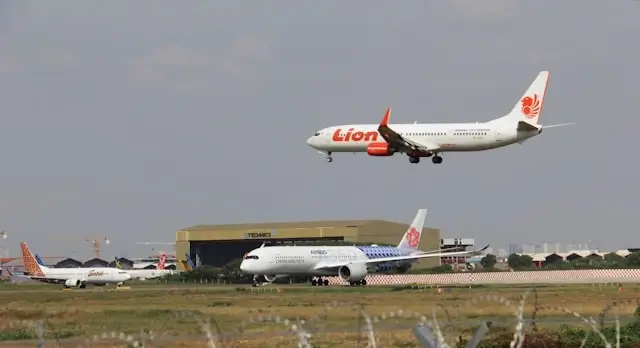
When planes fall, investigators always look for the chain. One broken link. One missed screw. One misread gauge. One tired hand making a decision at the wrong moment. That single failure becomes tragedy at altitude.
Aviation accidents are rarely one catastrophic mistake. They're a dozen small ones that line up perfectly wrong.
Each individual error might be survivable if it happened alone. But they cascade. One mistake creates conditions for the next. The next creates conditions for the third. By the time anyone realizes something is seriously wrong, it's too late to stop airplane accidents.
How Tiny Mistakes Lead to an Incident on the Plane
Source: Unsplash.
The chain of failure in aviation is studied obsessively because the stakes are so high.
Hundreds of people can die in minutes. Families get destroyed. Communities get traumatized. The investigation that follows is intense and unforgiving because preventing it from happening again matters enormously.
Understanding how microscopic failures at thirty thousand feet can alter entire lives is crucial when you need an experienced Lancaster aviation accident lawyer to seek accountability.
The investigation reveals how systems failed, how oversight broke down, and who bears responsibility for what happened.
The Domino Effect of Small Decisions
Source: Unsplash.
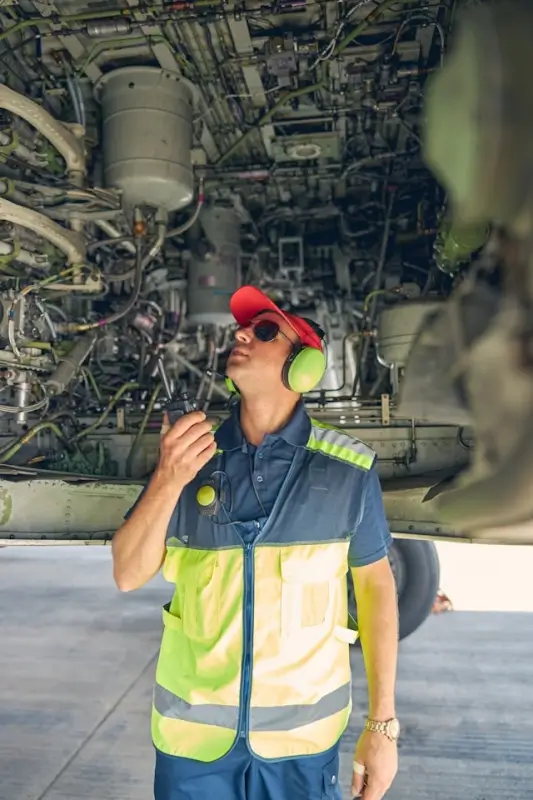
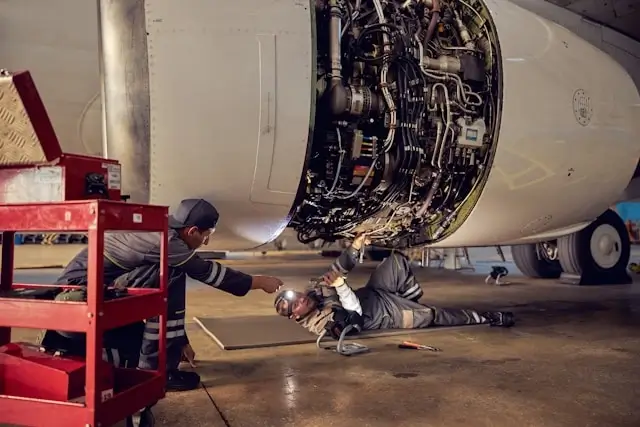
Maintenance oversights create the foundation for disaster. A bolt goes unchecked. A wire doesn't get properly secured. A fluid level isn't verified. These oversights seem minor in isolation. But they compound.
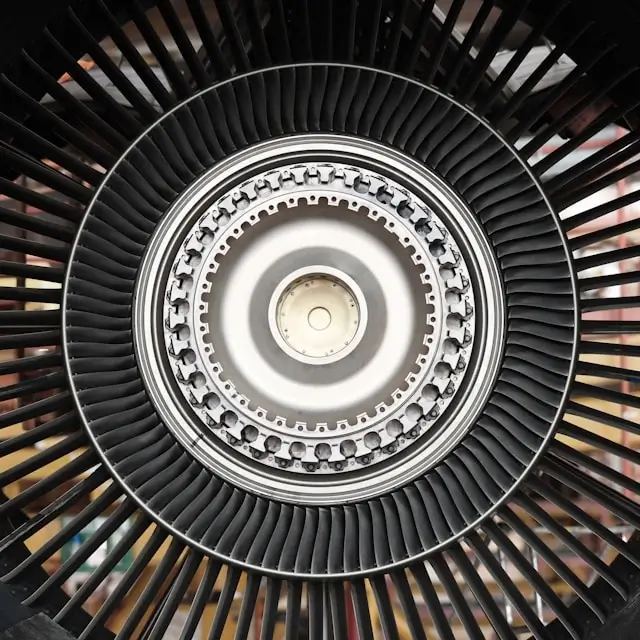
A plane that should be grounded gets cleared to fly. A system that should fail safely fails catastrophically instead. Maintenance failures kill more people in aviation than any other single category of error.
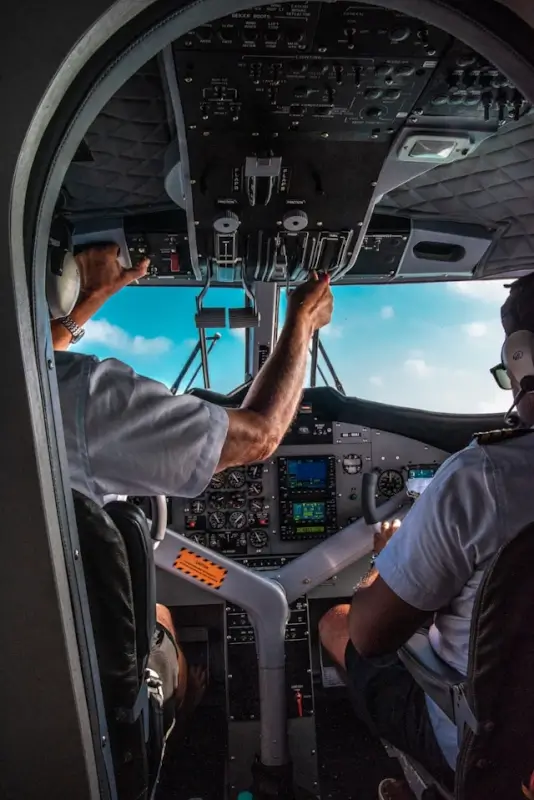
Weather calls sit at the edge of maintenance and judgment. A pilot or dispatcher has information about weather conditions. They make a decision about whether flying is safe. That decision usually gets made correctly. Sometimes it doesn't.
A plane flies into severe weather it shouldn't have entered. The pilot did what seemed reasonable at the time but was actually wrong. That decision becomes the failure point that investigators later identify.
Human fatigue creates risk that accumulates invisibly. A pilot has been flying too much. A maintenance worker is working overtime too often. A dispatcher has been on shift too long.
These people aren't trying to be reckless. They're just tired. Tired people make mistakes. Tired people miss things. Tired people have slower reaction times. The fatigue creates vulnerability. Then something goes wrong and the fatigued person can't respond adequately.
The Investigation Hierarchy
Source: Unsplash.
The National Transportation Safety Board leads the investigation into aviation accidents. They're independent, thorough, and focused on determining what happened and preventing future occurrences.
NTSB investigators are experts. They know aircraft systems. They know failure modes. They know what warning signs appear before catastrophes. Their investigations are detailed and rigorous.
But NTSB investigations are fact-finding missions, not trials. They determine what happened. They don't assign blame. That's where litigation comes in.
Once the NTSB issues their report, lawsuits follow. Families of victims pursue accountability. They hire attorneys to investigate further, to find documents the NTSB didn't have access to, to interview people, and to build cases for liability.
Multiple layers of analysis happen simultaneously. Aircraft manufacturers have their own investigations. Airlines investigate their own operations. Insurance companies investigate. Attorneys investigate.
Each layer uncovers different aspects of what happened. Sometimes these investigations align. Sometimes they reveal competing narratives about who was responsible.
Accountability Without Villains
Source: Unsplash.
Aviation cases are about systems, not scapegoats. Yes, an individual pilot made a decision.
But was that pilot trained properly? Did the airline have procedures that would have prevented the error? Did maintenance systems fail? Did the manufacturer build a plane with known defects? The legal investigation asks all these questions. It looks for systemic failures, not just individual errors.
A pilot error that reveals an inadequate training program creates accountability for the airline. A maintenance error that reveals inadequate oversight creates accountability for the airline or contractor. A design defect that reveals inadequate testing creates accountability for the manufacturer. The goal is both compensation for victims and systemic change.
Sometimes multiple parties share responsibility.
The pilot made an error but was fatigued because the airline's scheduling was improper. The maintenance crew missed something but lacked adequate tools or training. The manufacturer built a plane with a known issue but didn't issue adequate warnings.
The chain of failure involves everyone. Holding everyone accountable means the entire system improves.
Conclusion
Source: Unsplash.
Every crash starts with something ordinary.
A missed item on a maintenance checklist. A weather forecast that wasn't updated. A pilot decision based on incomplete information. A management system that prioritized speed over safety.
These ordinary failures don't cause crashes by themselves. But they create the conditions where extraordinary bad luck becomes catastrophe.
Understanding how the chain unraveled helps bring both justice and change. Families get answers about what happened. Compensation gets determined.
More importantly, the investigation and resulting changes prevent similar chains from forming in the future. That's the real purpose of aviation accident litigation. It's not punishment. It's prevention through accountability.
Disclaimer:
This post may contain affiliate links. I receive a small commission at no cost to you when you make a purchase using my link.