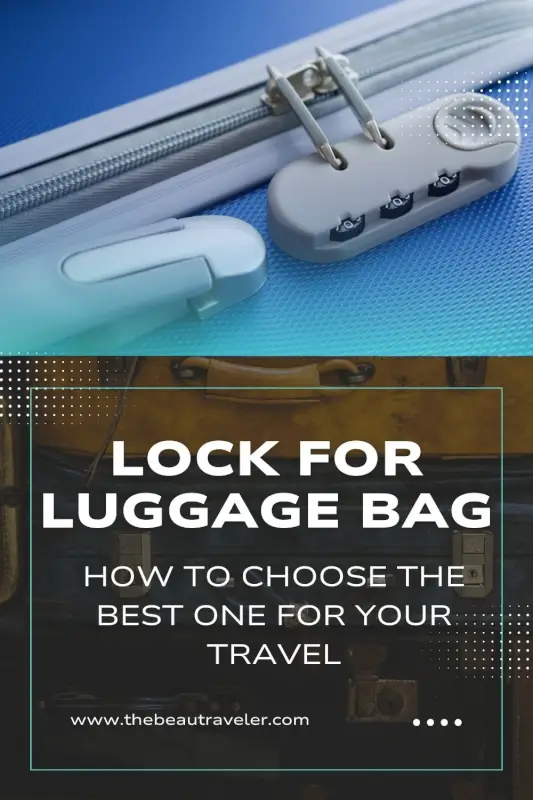
Lost luggage happens, but theft doesn't have to. A sturdy lock adds a layer of protection that keeps belongings secure through security checks, baggage handlers, and crowded terminals.
Knowing how to choose luggage locks means understanding which features actually matter. TSA approval, durable materials, and practical designs all play different roles in keeping bags safe.
Some locks resist weather damage, while others focus on tamper-proof cables or keyless convenience. Each feature serves travelers who face different conditions and security concerns.
The right lock balances protection with airport compliance. The following sections break down what to look for when selecting a lock that fits real travel needs.
TSA-Approved Locks for Airport Security Compatibility
TSA-approved locks allow airport agents to open and relock checked luggage without breaking the hardware.
These locks use universal master keys authorized by the Transportation Security Administration and are marked with symbols like the Travel Sentry logo to show compliance. Travelers benefit from smoother inspections and fewer damaged bags during screening.
It is best to choose a lock that balances security and convenience.
When selecting a lock, it's important to balance security and convenience. Many options, such as luggage locks from KeySmart or other similar locks, combine TSA approval with smart tracking features that connect to Apple’s Find My network, allowing travelers to locate misplaced luggage while keeping the lock intact during inspections. Similar products from other brands also offer these features, making them ideal for frequent travelers.
Durability also matters. Metal construction and resettable combinations protect belongings better than simple padlocks.
A well-made TSA-approved lock reduces delays during checks and adds practical protection throughout the trip.
Durable Materials Like Hardened Zinc Alloy or Stainless Steel
Source: Unsplash.
Travelers should choose luggage locks made from materials that can withstand impact, moisture, and frequent handling.
Hardened zinc alloy and stainless steel both perform well in these conditions because they resist wear and corrosion. Each material offers a balance of strength and durability suited to life on the move.
Hardened zinc alloy locks provide solid protection at a lighter weight. They cast easily into different shapes, which allows for compact designs that still guard against tampering. These locks often resist rust better than plain steel, which helps them last through repeated trips.
Source: Unsplash.
Stainless steel locks, on the other hand, hold up especially well against cuts and scratches. Their surface resists rust and staining even after exposure to rain or humidity. Therefore, travelers who fly often may find that stainless steel offers steady performance over time.
Both metals help create locks that protect luggage through long travel days and varied conditions.
Source: Unsplash.
Combination Locks for Convenience and No Key Loss
Combination locks remove the need to carry or keep track of small keys, which often get misplaced during travel.
A traveler only needs to remember a short number sequence to open the lock, which simplifies access during airport checks or security stops. This approach reduces stress, especially for those who move through multiple airports in one trip.
These locks come in several styles, such as cable or solid body designs, and their metal construction can hold up well under frequent use. Many models include resettable dials, so travelers can change codes if they feel uncertain about security.
In addition, TSA-approved combination locks allow airport staff to inspect bags without cutting the lock. This feature protects both the lock and luggage from unnecessary damage.
Overall, combination locks give travelers a practical balance between convenience, light weight, and reasonable protection for checked or carry-on bags.
Source: Unsplash.
Locks with Weather Resistance for All Conditions
Travelers often face rain, humidity, or dusty air throughout their trips.
A weather-resistant lock helps protect luggage in these unpredictable settings. It resists rust, corrosion, and moisture that can weaken metal parts or block the locking mechanism.
Materials such as stainless steel or zinc alloy hold up better under rough travel conditions. These metals stand strong against exposure to salt air or temperature changes. As a result, the lock stays functional even after repeated trips through wet or dry places.
A waterproof or sealed design also adds protection. Some models include covers or coated cables that keep dirt and water out. This design makes maintenance easier and reduces the chance of a jammed lock.
Travelers who invest in weather-resistant locks gain steady protection without constant replacement. These locks can perform well on beaches, in rain, or at high altitudes, giving travelers consistent security in different environments.
Source: Unsplash.
Locks Featuring Steel Cables for Extra Tamper Resistance
Travelers often choose locks with steel cables because they resist pulling and force better than thin metal shackles.
The flexible cable lets users loop the lock through zippers or irregular openings that rigid locks cannot fit through. This added reach makes it easier to secure different types of baggage.
Steel cables give better durability since the braided strands absorb pressure rather than snap under tension. Some locks use coated cables that prevent scratches on bags and make them more comfortable to handle.
In addition, cable locks usually weigh little and pack well, which suits travelers who want both strength and convenience.
The combination of a sturdy alloy body and a steel cable creates a barrier that discourages quick tampering attempts without adding bulk to the luggage.
Conclusion
Source: Unsplash.
Choosing the right luggage lock helps travelers protect their belongings with less hassle during airport inspections. TSA-approved locks remain the most practical choice since officers can open and relock them without damage.
Durability and design also matter. Locks made of steel or zinc alloy resist tampering better than plastic ones. A clear reset feature and easy-to-read dials further reduce the chance of mistakes while setting a new code.
Travelers should match lock type to their baggage. Cable locks fit soft bags or backpacks, while solid shank locks work well on hard cases. Those who value quick access may prefer combination locks over key locks for convenience and fewer items to lose.
By focusing on function, compatibility, and build quality, travelers can secure their gear effectively and reduce stress during flights.
Disclaimer:
This post may contain affiliate links. I receive a small commission at no cost to you when you make a purchase using my link.