Hair extensions have become one of the most popular beauty enhancements in recent years. They offer instant volume, length, and versatility that natural hair sometimes cannot achieve.
But one of the most common questions people ask is, how much is the average cost for hair extensions?
The answer depends on several factors, including the type of extensions, quality of hair, method of installation, and whether you are going the DIY route or visiting a professional salon.
In this guide, we’ll break down all the costs you need to know, plus insider tips to make your investment worthwhile.
The Ultimate Guide to Hair Extension and How to Choose
Source: Freepik.
Types of Hair Extensions and Their Costs
Hair extensions come in a variety of types, and each has its own price range. Understanding the differences will help you choose the right one for your needs.
Clip-In Hair Extensions
Clip-ins are the most flexible option, ideal for people who want temporary volume or length. These extensions can be clipped in and removed at home without professional help.
Cost range: $100–$300 for high-quality human hair
Pros: Affordable, easy to use, no salon visit required
Cons: Temporary, not ideal for daily use, may tangle if not maintained
Clip-in hair extensions are perfect if you want a quick change for events or photoshoots without committing to long-term extensions. They also allow you to experiment with different lengths and colors without spending a fortune.
Tape-In Hair Extensions
Source: Freepik.
Tape-in extensions are semi-permanent and provide a more natural look. These extensions are applied with medical-grade adhesive strips that blend seamlessly with your natural hair.
Cost range: $300–$800 for high-quality hair
Installation: Typically done by a professional
Longevity: 6–8 weeks before reapplication
One of the most important things to know about these is that they require proper care.
Many clients find that visiting a professional stylist ensures longer wear and less damage to natural hair. You can read more about tape in extensions facts you should know to understand the best practices and potential risks.
Keratin Bonded Extensions
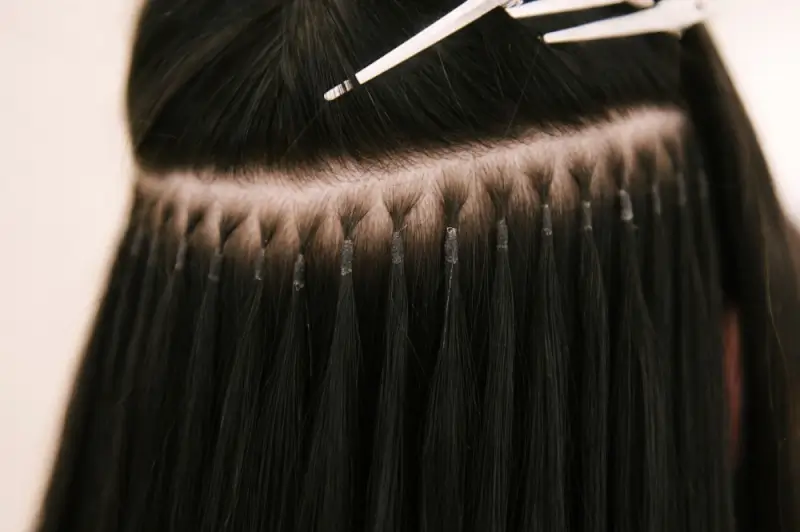
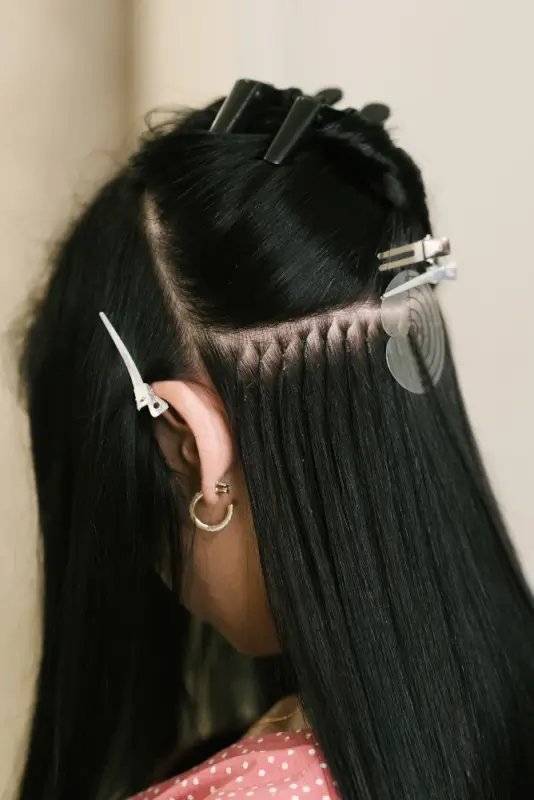
Keratin or pre-bonded extensions are applied strand by strand using a keratin tip. This method offers the longest-lasting results but can also be the most expensive.
Cost range: $600–$1,500 for a full head of quality human hair
Longevity: 3–6 months with proper care
Installation: Professional application required
Keratin extensions are ideal for clients looking for a natural, long-lasting style. While the initial cost is higher, the maintenance is straightforward if you follow salon advice.
Sew-In or Weave Extensions
Source: Freepik.
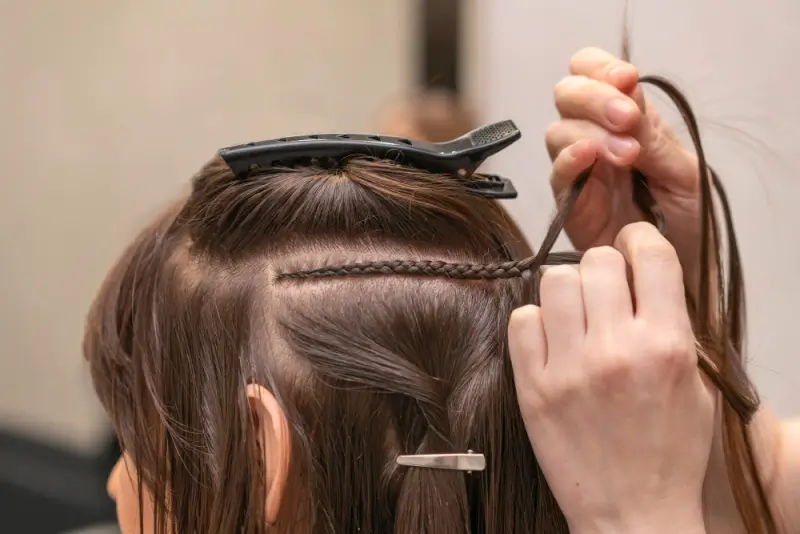
Sewn-in extensions are typically used for thicker hair and involve braiding the natural hair first. Weaves can last longer than tape-ins but may require more salon maintenance.
Cost range: $200–$800 depending on hair quality and length
Installation: Professional application required
Longevity: 6–8 weeks
These extensions are great for people who want long-lasting results without daily upkeep, though they are slightly more invasive than clip-ins or tape-ins.
Factors That Affect the Cost of Hair Extensions
Several variables determine how much you will pay for hair extensions. Understanding these factors will help you budget accurately.
Source: Freepik.
Hair Quality
Human hair extensions are more expensive than synthetic alternatives. Remy hair, which preserves the cuticle direction, tends to cost more but also lasts longer and looks more natural.
Length and Volume
The longer and thicker you want your extensions, the higher the cost. A full head of long hair can double or triple the price compared to shorter sets.
Salon vs. DIY
DIY kits are cheaper but require careful handling to prevent damage. Professional installation ensures proper application and longevity but adds labor costs to your budget.
Maintenance and Upkeep
Professional hair extensions often require periodic salon visits for adjustments, touch-ups, or reapplication. Depending on your hair type and lifestyle, you may spend $50–$150 per maintenance visit.
Location and Stylist Experience
Prices vary depending on your city and the stylist’s experience. High-demand stylists in metropolitan areas often charge a premium, but the quality of results can justify the cost.
Average Cost Breakdown in 2025
Source: Freepik.
Here’s a general price guide for various hair extension types:
Extension Type
Average Cost
Longevity
Notes
Clip-In
$100–$300
Temporary
DIY-friendly
Tape-In
$300–$800
6–8 weeks
Professional recommended
Keratin Bonded
$600–$1,500
3–6 months
Strand-by-strand application
Sew-In / Weave
$200–$800
6–8 weeks
Requires braiding
This table provides a realistic estimate, but actual costs may vary depending on salon, brand, and hair quality.
Choosing the Right Hair Extensions for Your Budget
When selecting extensions, consider your goals:
Temporary volume or length: Clip-ins are cost-effective and flexible.
Semi-permanent natural look: Tape-ins balance affordability with professional results.
Long-term investment: Keratin or sewn-in extensions offer longevity and high-quality finish.
It’s also important to prioritize hair health. Cheap, low-quality extensions can lead to breakage, tangling, or uneven color, which may cost more in the long run to fix.
Maintenance Costs and Tips
Keeping hair extensions looking fresh can add to your overall expense:
Heat styling: Minimize to prevent damage, or use protective sprays.
Professional touch-ups: Many salons recommend reapplication every 6–8 weeks for tape-ins.
These tips help protect your natural hair while ensuring your extensions look seamless and natural.
DIY vs. Professional Installation
Source: Freepik.
DIY installation kits can be tempting, but there are important considerations:
DIY kits are cheaper (around $50–$200), but mistakes can lead to damage.
Professional application ensures proper technique, especially for tape-in and keratin extensions.
Many stylists offer consultations to customize your Hair Extensions experience to your hair type and lifestyle.
Choosing a professional is often more cost-effective in the long run, even if the upfront price is higher.
FAQs About Hair Extension
How much do high-quality tape-in extensions cost?
High-quality tape-ins generally range from $300 to $800 for a full head. Salon labor is included in most professional pricing, and proper care can extend longevity.
Can I reuse extensions?
Yes, high-quality extensions like Remy hair tape-ins or keratin bonds can often be reused multiple times if properly maintained.
Are cheaper extensions worth it?
Low-cost extensions may save money upfront but can lead to tangling, uneven color, or damage to natural hair. Investing in quality hair is often more economical over time.
How long do hair extensions last?
It depends on the type. Clip-ins are temporary, tape-ins last 6–8 weeks, keratin-bonded extensions 3–6 months, and sewn-in weaves 6–8 weeks with proper care.
Can hair extensions damage my natural hair?
When applied correctly and maintained with proper care, high-quality extensions should not damage natural hair. Avoid cheap synthetic extensions to minimize risks.
Are professional hair extensions worth the price?
Yes. Professional installation ensures proper technique, longevity, and healthier results compared to DIY methods.
Conclusion
Source: Freepik.
Hair extensions in 2025 offer more choices than ever. From clip-in temporary extensions to professional keratin-bonded strands, there’s a solution for every style, lifestyle, and budget.
Understanding the different types, their costs, and proper maintenance can help you make a smart investment for long-lasting results.
Disclaimer:
This post may contain affiliate links. I receive a small commission at no cost to you when you make a purchase using my link.