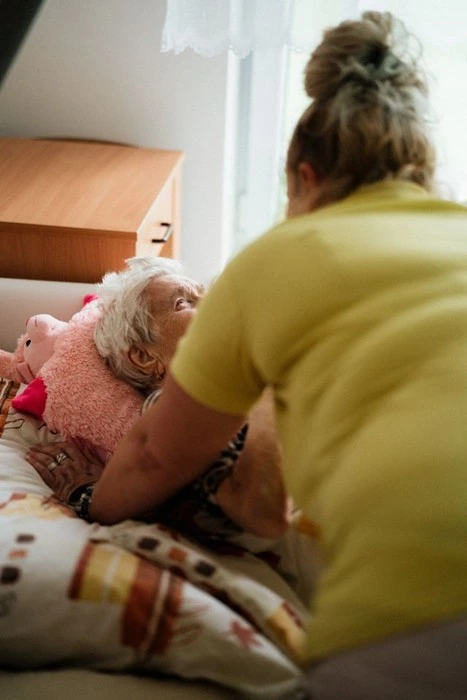
When an older loved one lives in a nursing home or care facility, families want to believe they're safe, respected, and properly cared for every day.
That trust can start to break when something feels wrong, whether it's an unexplained injury, a sudden change in mood, poor hygiene, missed medication, or repeated excuses from staff.
For many families, the hardest part is knowing when a concern has moved beyond a poor experience and become possible nursing home abuse in Illinois. That uncertainty can feel even heavier when relatives live far away, travel often, or can't visit as regularly as they'd like.
This guide walks through the warning signs worth watching for, what to prepare before reaching out to a lawyer, and a comparison of Illinois firms with real experience handling these cases. Whether you're just starting to notice something's off or you're ready to take the next step, the right information can make all the difference.
The right legal support can help families understand their options, ask better questions, and take action when a loved one's care no longer feels safe.
Elder Abuse in Nursing Home: What Families Should Watch For
When Care Facility Neglect Becomes a Family Concern
Care facility neglect can start with small changes that are easy to explain away.
A parent may sound unusually quiet on the phone, appear less groomed during a visit, lose weight, or seem anxious around certain staff members. One missed update might not mean much on its own, but repeated patterns deserve attention.
Families should pay close attention to changes in hygiene, mobility, mood, appetite, and medical condition. Bruises, bedsores, dehydration, dirty clothing, delayed treatment, or unexplained hospital visits can point to deeper problems with supervision or daily care, especially when neglect is the failure to meet an older adult’s basic needs, including food, water, shelter, hygiene, and essential medical care.
The difficult part is that neglect often builds quietly.
A resident may not be able to explain what happened, may be afraid to speak up, or may worry about causing trouble. Families are often left piecing things together through patterns, direct questions, and instincts that shouldn’t be ignored.
Source: Unsplash.
Top Nursing Home Abuse Lawyers in Illinois for Serious Care Concerns
Nursing home abuse cases often involve medical records, facility policies, resident rights, and care patterns that are not obvious at first.
The firms below are relevant options for families comparing Illinois legal teams with visible nursing home abuse or neglect experience.
Nursing Home Law Center
Nursing Home Law Center handles cases involving pressure sores, falls, medication errors, malnutrition, dehydration, poor supervision, and other signs of unsafe care in nursing homes.
These situations can be difficult for families to sort through when a loved one is injured, afraid to speak up, or receiving explanations that don’t match what they’re seeing.
Families with serious concerns may need Illinois Nursing Home Law Center lawyers who understand how neglect and mistreatment can affect both residents and the people trying to protect them.
Source: Pexels.
Levin & Perconti
Levin & Perconti is a Chicago-based personal injury firm that handles nursing home abuse and neglect claims involving falls, pressure ulcers, medication errors, dehydration, infections, and failures in daily care.
Its nursing home litigation experience makes it a relevant option for families comparing Illinois firms with a clear focus on elder care injuries.
Salvi, Schostok & Pritchard P.C.
Salvi, Schostok & Pritchard P.C. handles serious personal injury cases in Illinois, including nursing home abuse and neglect matters.
The firm may be a good fit for families seeking a larger, trial-focused team with experience handling complex injury claims.
Its broader injury practice can be useful when nursing home neglect overlaps with medical complications, long-term harm, or wrongful death concerns.
The Kryder Law Group
Source: Unsplash.
The Kryder Law Group represents injured people across Illinois and handles nursing home abuse cases involving poor supervision, unsafe conditions, neglect, and mistreatment.
For families who want a firm with local Illinois injury experience, it can be a relevant option to consider. Its nursing home abuse work may appeal to families who want straightforward legal support after a serious care-related injury.
Ankin Law
Ankin Law is a Chicago personal injury firm that handles nursing home abuse and neglect claims.
The firm’s work covers situations where unsafe care, lack of supervision, preventable injuries, or poor facility practices may have harmed residents.
Its local presence can be useful for families dealing with care concerns in Chicago-area nursing homes and long-term care facilities.
Tarpey, Jones & Schroeder
Source: Pexels.
Tarpey, Jones & Schroeder represents residents and families in nursing home abuse and neglect cases in Chicago and throughout Illinois.
The firm is relevant for families dealing with serious concerns about injuries, mistreatment, or unsafe conditions in a long-term care setting.
Its nursing home abuse practice gives families another Illinois-based option when comparing firms with direct elder neglect experience.
How Families Can Spot Warning Signs Before Things Get Worse
Source: Unsplash.
Warning signs of neglect are not always dramatic. Sometimes they show up as small changes that keep repeating.
A resident may become withdrawn, miss regular activities, avoid certain staff members, or seem unusually tired during calls and visits.
Physical signs deserve close attention. Bruises, cuts, pressure sores, weight loss, dehydration, dirty clothing, soiled bedding, and repeated falls can all raise questions about supervision and daily care.
Families should also notice whether staff members give clear explanations, properly document incidents, and respond consistently when concerns are raised.
Changes in behavior can matter just as much as visible injuries. A loved one who becomes anxious, fearful, confused, or reluctant to talk may be reacting to something happening inside the facility.
When the story keeps changing, or staff members seem dismissive, families should write down what they notice, save messages, take photos when appropriate, and keep a timeline of events.
Planning Around Elder Care When Travel or Distance Is Involved
Source: Unsplash.
Family responsibilities can become harder to manage when relatives live in different places, travel often, or can’t visit a care facility as regularly as they’d like.
When an older loved one depends on staff for daily support, distance can make small concerns feel more urgent.
Some families are focused on traveling with elderly parents, while others are trying to plan around a parent or grandparent who now needs more consistent care than family members can provide on their own.
In both situations, the goal is simple: making sure the person is comfortable, respected, and not left without proper attention.
Regular check-ins can make a real difference. Families can ask a trusted local relative or friend to visit, keep emergency contacts updated, save written updates from the facility, and document any concerns that need follow-up.
A simple plan can make it easier to spot changes, compare what staff members say, and act quickly if something feels wrong.
What to Prepare Before Contacting a Lawyer
Source: Unsplash.
When a family suspects neglect, details matter. Start with a simple timeline that includes dates, names, symptoms, injuries, conversations with staff, and changes in the resident’s mood or condition. Even small notes can help show whether the problem was isolated or part of a pattern.
Photos can also be useful when they are taken respectfully and legally. Families may want to document visible injuries, dirty clothing, unsafe room conditions, soiled bedding, poor hygiene, or anything else that raises concern.
Medical records, discharge papers, medication lists, care plans, and written messages from the facility can help fill in the bigger picture.
It also helps to write down what the facility said when concerns were raised. Clear notes can make later conversations easier, especially when different staff members give different explanations.
The goal is not to prove everything immediately. It is to preserve what the family saw, when they saw it, and how the facility responded.
Conclusion
Source: Unsplash.
Suspecting neglect in a care facility is stressful, especially when a loved one is already vulnerable.
Families may feel angry, guilty, confused, or unsure whether they are overreacting. Those reactions are normal, but clear decisions usually come from writing things down, asking direct questions, and getting help when the answers still don’t feel right.
The best lawyer for a family’s situation is usually the one who understands nursing home abuse cases, communicates clearly, and explains which steps make sense based on the facts. A good fit should make the process feel more manageable, not more confusing.
When something feels wrong, families don’t have to wait for every detail to be clear before taking the concern seriously. Care facility neglect can affect a resident’s health, safety, dignity, and peace of mind. Acting early can help families protect the person they love and make more informed decisions about what should happen next.
Disclaimer:
This post may contain affiliate links. I receive a small commission at no cost to you when you make a purchase using my link.