Road trips are one of life's great adventures — but keeping your meals fresh and safe along the way is a challenge most travelers underestimate. Without access to a refrigerator, even a short journey can turn into a food safety minefield.
Ensuring food safety without a refrigerator comes down to smart planning, the right supplies, and a few key habits that make all the difference. The good news is that with some preparation, eating well on the road is entirely doable.
This guide covers everything from choosing the safest foods to pack, to proper storage, handling, and staying hydrated on the go. Whether you're on a weekend road trip or a long-haul journey, these tips will keep you healthy and energized every mile of the way.
Food for Road Trips: How to Keep Meals Fresh and Safe Anywhere
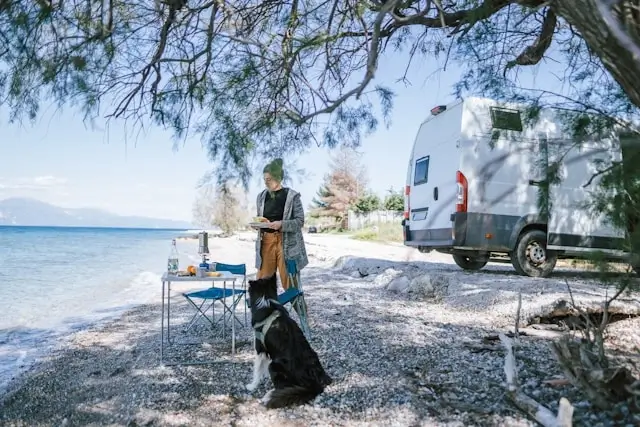
Source: Unsplash.
Keeping Yourself Informed
Good planning and organization are crucial to keep yourself well-fed and healthy on the road. Plan meals with non-perishable food options, and make sure that you’re up to date with current recall information – particularly if you’re planning on bringing a lot of fresh produce like fruit and vegetables.
This will ensure that all the food in your possession is safe to consume. Also, be aware of the durability and expiry dates of your food items before heading out.
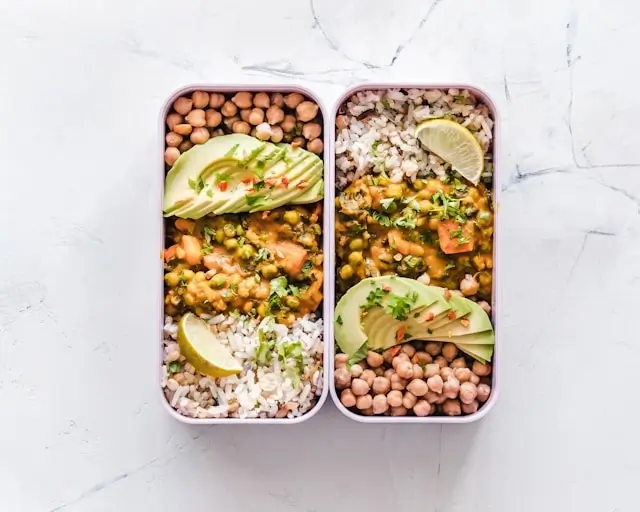
Source: Unsplash.
Choosing the Right Food
Knowing which foods to take with you is another critical consideration.
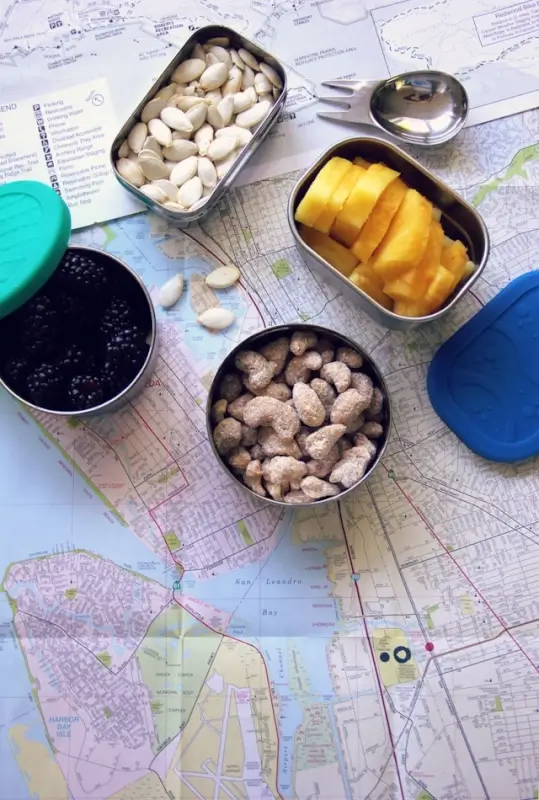
Opt for non-perishable food items where possible, like nuts, energy bars, dried fruits, and canned meals. These foods do not require refrigeration and can withstand varying temperature conditions.
If you do want to go for perishables, remember that fresh vegetables and fruits are safer options than high-protein foods (such as meat and dairy), as proteins can spoil quickly without proper temperature control.
Source: Unsplash.
Proper Food Storage
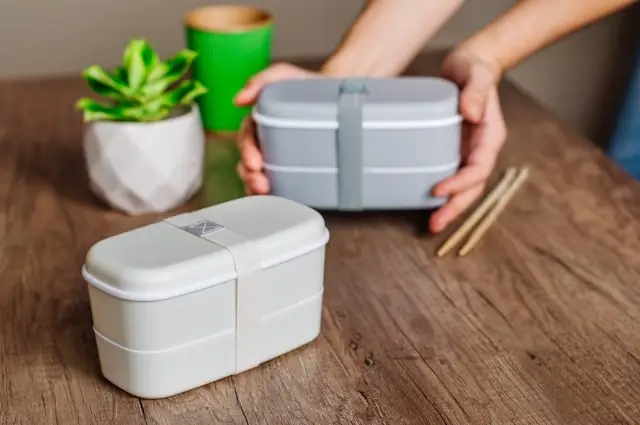
Choosing the right storage equipment can also greatly help in maintaining food safety.
Insulated coolers can preserve the freshness of fruits, vegetables, and drinks for a few days. Bear in mind that the cooler must be kept shaded and cool to maintain the lowest temperature possible.
Also, using vacuum-sealed storage bags can retard the growth of bacteria and keep food fresher for longer.
Source: Unsplash.
Safe Handling and Preparing of Food
It’s advisable to wash hands thoroughly before preparing and eating food. If soap and water aren't available, use hand sanitizers with at least 60% alcohol.
Always dust off and clean the surface where food is being placed. Use disposable dishes and utensils if washable ones cannot be adequately cleaned.
Similarly, make sure that you cook your food thoroughly, especially canned meals. Consuming half-cooked or raw food can lead to adverse health effects.
To avoid cross-contamination, never use the same utensils for cooked and raw foods without properly washing them in between uses.
Drinking plenty of water aids digestion and keeps energy levels up. However, beware of consuming unpurified water from unknown sources, as it could be contaminated.
Always boil water before use or purchase bottles from a trusted brand.
Conclusion
Source: Unsplash.
Road trips can be fun and adventurous. However, managing food safety on the road is vital for a pleasant and worry-free journey.
Planning ahead, choosing the right food, storing it correctly, safe handling, cooking, and staying hydrated are essential to ensuring food safety when on the road without a refrigerator.
Implementing these steps can help stave off foodborne illnesses, keeping you healthy and filled with energy for your adventure.
Disclaimer:
This post may contain affiliate links. I receive a small commission at no cost to you when you make a purchase using my link.