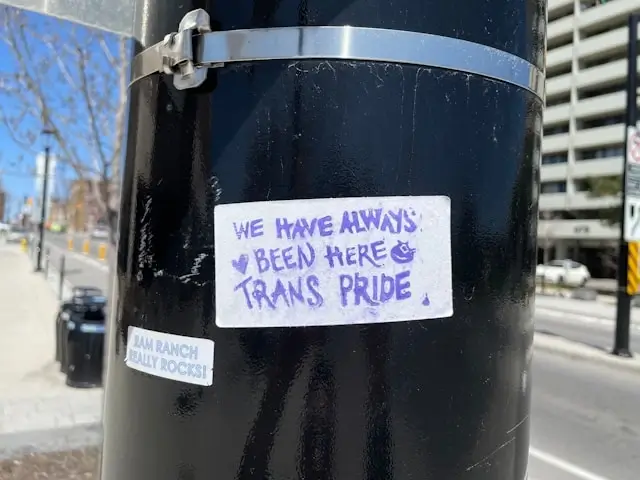
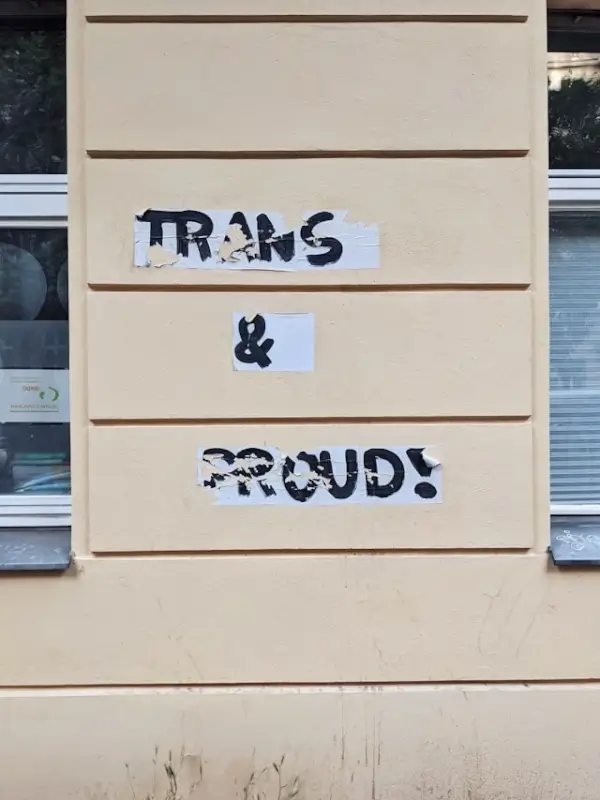
Being a supportive partner in a trans relationship starts with love, respect, and a real effort to understand your partner's journey. Many people want to help but feel unsure about the right steps to take. The good news is that support doesn't require you to be perfect or have all the answers right away.
The key to support lies in open communication, active respect for your partner's identity, and a readiness to learn together as your relationship grows. You don't need special training or expert knowledge to be a good partner.
However, you do need to show up with empathy and a genuine desire to understand what your partner experiences.
This guide will help you build a stronger relationship through practical advice. You'll learn how to understand your partner's needs better and create a space where both of you can thrive. Together, you can face challenges and celebrate the joy that comes with authentic love.
Trans Relationship Advice: What Every Supportive Partner Needs
Source: Unsplash.
Support starts with genuine communication and respect for your partner's identity. You need to listen actively, learn about gender identity, affirm their experiences, and honor their boundaries.
Active Listening and Open Communication
Active listening means you give your partner your full attention without planning your response while they speak.
You focus on their words, feelings, and needs. This practice helps you understand what your partner experiences during their transition.
Communication works best as a two-way street. You should share your feelings honestly while making space for your partner to express theirs.
Ask questions that show genuine interest rather than skepticism or doubt. In some cases, people also explore external resources or communities, such as live trans cam sites, AI dating apps, and platforms to better understand different experiences and perspectives, but these should complement, not replace, direct and respectful communication with your partner.
Some partners find it helpful to set aside regular times to check in with each other. These conversations can cover both daily matters and deeper topics about transition-related changes. You create safety through consistency and openness.
Remember that your partner might not always have answers. Gender identity can be complex and personal. Sometimes they need time to process their own feelings before they can explain them to you.
Educating Yourself About Gender Identity
Source: Unsplash.
You should take responsibility for your own education rather than rely solely on your partner to teach you. Books, articles, and online resources can help you understand transgender experiences and identities.
Learn the difference between gender identity, gender expression, and sexual orientation. These concepts relate to each other but mean different things.
Gender identity refers to how someone sees themselves. Gender expression is how they present that identity to the world.
Research the specific aspects of your partner's transition if they choose to share those details with you.
Medical procedures, hormone therapy, and legal name changes all involve different processes and timelines. However, not every trans person pursues medical transition, and that choice deserves equal respect.
Stay current with terminology and language. The trans community continues to develop more precise ways to describe experiences and identities. You demonstrate care through your effort to use accurate and respectful language.
Affirming Your Partner's Experience
Affirmation means you validate your partner's gender identity without question or reservation.
You treat their identity as real and legitimate because it is. Small daily actions often matter more than grand gestures.
Celebrate the moments that feel important to your partner. This might include their first time wearing certain clothing, hearing their chosen name, or seeing their correct gender marker on official documents. Your enthusiasm and support during these milestones strengthen your bond.
Stand up for your partner in social situations. Correct people who use wrong names or pronouns. You should do this even in your partner's absence. Your advocacy shows that you respect their identity at all times, not just for appearances.
Avoid comparing your partner to cisgender standards. Trans women don't need to look or act a certain way to be “real” women. Trans men don't need to meet specific masculine benchmarks. Your partner's authenticity comes from their truth, not from external measures.
Source: Unsplash.
Respecting Boundaries and Pronouns
Pronouns matter because they reflect how your partner sees themselves. You must use the correct pronouns consistently in all settings. Practice if you need to, but don't make excuses for mistakes in front of your partner.
Your partner gets to decide who knows about their trans identity. You should never share this information without their explicit permission. They control their own story and disclosure.
Boundaries around physical intimacy may shift during transition. Hormone therapy can change how the body feels and responds. Surgeries require recovery time. You need to talk openly about comfort levels and respect what your partner tells you.
Some topics might feel off-limits. Your partner may not want to discuss certain body parts, past experiences, or future medical plans. You honor these boundaries without pushing for explanations. Their comfort and safety take priority over your curiosity.
Building a Healthy and Affirming Relationship
A strong relationship with a trans partner requires active support for their emotional health, the ability to face obstacles as a team, and a commitment to stand up for them in public spaces.
Source: Unsplash.
Encouraging Emotional Well-Being
Your partner's emotional health depends on consistent validation and respect for their identity.
Use their correct name and pronouns in all contexts, both private and public. This practice shows you see them for who they truly are.
Listen actively to their experiences without trying to fix everything immediately. Sometimes your partner needs space to share their feelings about dysphoria, discrimination, or transition-related stress. You can ask what type of support they need rather than assume you know the answer.
Celebrate their milestones and affirm their progress. Whether they achieve a medical transition goal, update their legal documents, or simply feel more comfortable in their skin, these moments deserve recognition.
However, avoid treating their gender identity as a constant topic of conversation. They are a complete person with many interests and dimensions beyond being trans.
Create a safe environment where they can express vulnerability. Your partner may face difficult days related to their identity or external pressures. Be present during these moments without judgment or dismissal of their feelings.
Source: Unsplash.
Navigating Challenges Together
Every relationship faces obstacles, but trans relationships may encounter specific hurdles related to identity, transition, and social acceptance. Approach these challenges as a team rather than separate individuals.
Discuss transition-related changes openly and honestly. Medical transitions can affect physical intimacy, emotional states, and daily routines. Ask questions respectfully and share your own feelings while you both adapt to changes together.
Address family dynamics as partners. If family members struggle to accept your partner's identity, establish boundaries that protect your relationship.
You may need to correct misgendering, defend your partner's dignity, or limit contact with people who refuse to show basic respect.
Seek resources together if you face difficulties. Support groups, therapy, and educational materials can help you both process complex emotions and learn from others' experiences.
Professional guidance offers tools for better communication and conflict resolution.
Advocating for Your Partner in Social Contexts
Source: Unsplash.
Stand up for your partner in public spaces, social gatherings, and professional environments.
Correct people who use wrong names or pronouns, even during casual conversations. Your advocacy shows your partner they can count on you outside private moments.
Educate others without placing that burden on your partner. Family members, friends, or colleagues may have questions about trans identities.
Take responsibility to provide basic information and resources so your partner doesn't become an unpaid educator for everyone around them.
Challenge transphobic comments or jokes immediately. Silence can feel like agreement to your partner.
A simple statement like “that's not acceptable” or “we don't talk that way” sets clear expectations for how people should behave around both of you.
Respect your partner's preferences for disclosure. Some trans people are open about their identity while others prefer privacy. Follow their lead about what information to share and with whom.
Never out someone without their explicit permission, as this decision affects their safety and comfort.
Conclusion
Source: Unsplash.
A strong trans relationship relies on respect, communication, and a willingness to learn. You need to use correct names and pronouns, listen without judgment, and educate yourself about trans experiences.
However, remember that your own feelings and needs matter too. Support flows both ways in healthy relationships, so don't hesitate to seek help through therapy or support groups.
Your commitment to grow alongside your partner makes all the difference in building a relationship based on trust and mutual understanding.
Disclaimer:
This post may contain affiliate links. I receive a small commission at no cost to you when you make a purchase using my link.