Singapore has become a go-to choice for people who want aesthetic care in a setting that feels orderly, transparent, and clinically serious.
Visitors often look for two things at once. Strong medical standards and a travel experience that stays smooth from the airport to the follow-up visit. Singapore fits that mix well, which helps explain why it shows up so often on shortlists for aesthetic trips.
For many travelers, the appeal starts with confidence. Confidence in regulated clinics, credentialed doctors, and clear boundaries around marketing claims.
People searching for dermatologist services in Singapore often want proven systems, not sales talk. They want a city where medical oversight and patient safety shape the experience from consultation to aftercare.
So, here's everything you need to know when planning aesthetic procedures in Singapore!
Aesthetic procedures performed by licensed healthcare providers count as medical care in Singapore, so authorities regulate them through formal healthcare rules.
That matters because it sets expectations around consent, appropriate settings, and accountability. It also reduces the “anything goes” feel that can show up in less regulated markets.
Singapore’s Ministry of Health has clearly addressed how aesthetic treatments fall under healthcare regulation.
Singapore also places guardrails on how clinics promote aesthetic treatments.
Advertising rules aim to keep claims accurate and discourage messaging that pressures people into unnecessary procedures, for a visiting patient, that can translate into fewer unrealistic promises and more straightforward discussions about risks, recovery, and realistic outcomes.
It does help set a higher baseline for how clinics present information and how clinicians document and deliver care, which many travelers value when they are planning treatment far from home.
Source: Depositphotos.
Standards for Doctors Matter More Than Brand Names
In aesthetic medicine, the provider often matters more than the device or the clinic’s interior design.
Singapore’s professional expectations for doctors create a practical filter. Professional bodies publish guidance on aesthetic practices for doctors, including classifications of procedures and expectations around training and practice.
Ethics guidance also shapes day-to-day conduct, including how doctors communicate services to the public.
Clear standards can reduce aggressive marketing tactics and keep the doctor-patient relationship focused on clinical judgment.
For travelers, this can influence the feel of the consultation. Many people want a careful plan, not a rushed menu of add-ons. Strict professional rules support that goal, especially when a visitor has limited time and needs crisp decisions on suitability, timing, and aftercare planning.
Product Oversight and Clinic Quality Control Reduce Guesswork
Source: Depositphotos.
Injectables and energy-based devices depend on product quality and correct handling.
Singapore maintains strict oversight of health products and regularly warns consumers against do-it-yourself injectable kits.
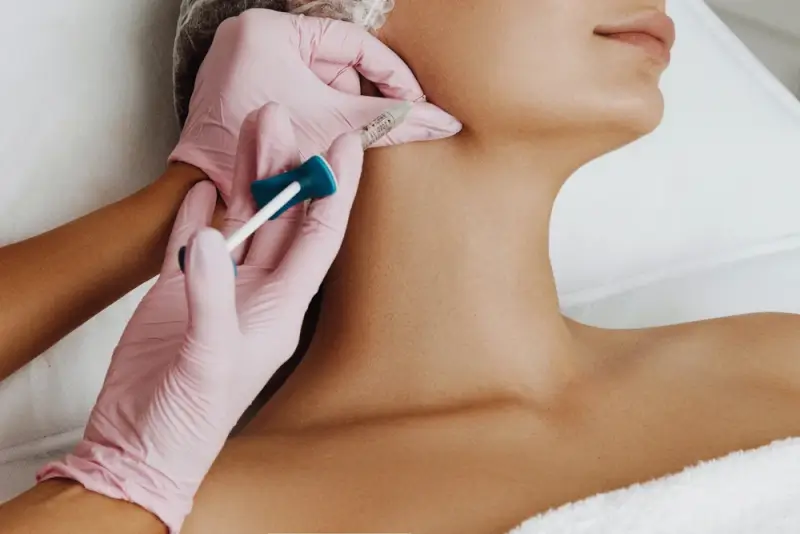
Authorities stress that dermal fillers and botulinum toxin products must meet regulatory requirements before supply and that qualified medical practitioners should administer these treatments.
That oversight helps in a simple way. It reduces the chances that a patient receives unknown products sourced through informal channels.
Visitors who worry about counterfeit injectables or unclear sourcing often find reassurance in markets that actively monitor supply chains and issue public safety notices.
Quality signals show up in other ways, too, such as the country’s reputation for healthcare delivery and strong clinical infrastructure.
While hospital rankings do not directly rate aesthetic clinics, they reinforce the broader perception that Singapore invests heavily in healthcare quality and technology.
A Travel-Friendly City Makes Follow-Up Easier
Source: Depositphotos.
Aesthetic care does not end when the appointment ends.
Many procedures require a short check-in, a staged plan, or a clear pathway for questions after treatment.
Singapore’s compact geography and efficient transport help visitors attend pre-treatment consults, procedure visits, and follow-ups without long travel times.
The city also supports medical travelers in practical ways. English is widely used in clinical settings, and visitors can often coordinate scheduling, documentation, and post-procedure instructions without translation delays. That makes it easier to keep instructions precise, which matters for recovery and results.
Singapore’s reputation as a global medical hub also attracts patients who want care aligned with high safety expectations.
Many travelers choose destinations where systems feel consistent, including clinic licensing standards, professional oversight, and a culture of compliance that influences daily operations.
How to Plan an Aesthetic Trip to Singapore Responsibly
Source: Depositphotos.
Start with a consultation mindset.
Build time for an in-person assessment because photos and messages rarely capture skin texture, laxity, scarring patterns, or prior filler behavior.
A good plan typically starts with medical history, a review of medications, and a candid discussion of goals, downtime, and risk.
Choose procedure timing around recovery realities. Some treatments look worse before they look better. Swelling, redness, bruising, and dryness can affect comfort and confidence while traveling.
If the plan includes lasers, peels, or injectables, schedule with enough buffer so you do not fly immediately after a procedure that can trigger swelling or irritation.
Treat aftercare like part of the procedure plan. Book a follow-up slot, confirm who answers urgent questions after hours, and ask what a normal recovery curve looks like for your skin type and treatment plan.
Those details help you travel with less stress and make smarter choices during recovery days.
What Visitors Should Watch for When Comparing Clinics
Look for clarity, not hype. A trustworthy clinic explains candidacy, alternatives, and limits.
It also avoids language that promises perfect outcomes. Patients benefit from applying caution when reading websites and social content, especially when treatments appear heavily promoted.
Ask direct questions about products and protocols. For injectables, ask about product sourcing and how the clinic stores and tracks inventory. Public safety warnings about unregistered injectable kits highlight why regulated supply and qualified administration matter.
Finally, prioritize a plan that fits your skin and timeline. Aesthetic medicine rewards restraint and good sequencing. When a clinic builds a staged approach, it often signals maturity and clinical discipline.
That matters even more for travelers, since rushed stacking of procedures can increase irritation, delay recovery, and complicate follow-up once you return home.
Source: Depositphotos.
Conclusion
Planning an aesthetic procedure in Singapore comes down to one core idea: the system is built to support careful, informed decisions rather than impulse ones.
Regulation, professional standards, and product oversight work together to create an environment where clinical judgment leads, not marketing pressure.
The city itself makes the practical side easier. Compact travel distances, English-language care, and strong infrastructure mean fewer logistical headaches between your consultation and your follow-up.
Still, the best outcomes start with the right mindset. Give yourself time for proper assessment, build recovery days into your itinerary, and treat aftercare as part of the procedure, not an afterthought.
If you're weighing your options, bookmark this guide and share it with anyone planning a similar trip. The more informed the conversation, the better the decisions on both ends.
Disclaimer:
This post may contain affiliate links. I receive a small commission at no cost to you when you make a purchase using my link.