Walk into any beauty retailer in 2026 and the makeup section looks completely different than it did two years ago. Clean formulas, hybrid products, and buildable color have taken over shelf space once dominated by bold statement looks.
But here's what most people don't realize: the trends filling stores aren't the same ones flooding social media feeds. What goes viral doesn't always translate to actual sales, and that gap matters if you're trying to understand where the beauty industry is actually heading.
The real makeup trends in 2026 are the ones manufacturers are producing at scale—the formulas brands keep reordering because customers actually buy them repeatedly.
This kind of data is what guides production decisions at companies like Toyoly, the leading cosmetic manufacturer in China, where trends are measured by orders and repeat demand rather than online buzz.
For anyone building a beauty business or simply curious about what's driving the industry, this behind-the-scenes view reveals which trends have staying power and which ones are just passing hype.
Why “Selling Trends” Matter More Than “Trending Looks”
Many new beauty brands fail not because their ideas are bad, but because they chase trends that do not last.
A product might sell fast for 30 days because it is everywhere online, but once the buzz fades, those same units can end up sitting in a warehouse or on clearance shelves. That is where profit disappears.
Cosmetic manufacturers look at trends in a much more practical way. They track how often brands place repeat orders, which ingredients suddenly need to be sourced in higher volume, how much packaging is being ordered, and whether a formula can stay stable on shelves for months without issues.
This kind of information helps founders avoid putting money into products that look exciting but do not scale.
Manufacturers such as Toyoly use this data to guide brands toward formulas that can grow instead of fade.
This is why choosing the right manufacturing partner is just as important as choosing the right trend.
Source: Freepik.
Trend #1: Hybrid Makeup That Skincare Buyers Actually Reorder
One of the safest bets for new and growing brands in 2026 is hybrid makeup.
Cosmetic manufacturers are producing more skin-tint foundations, tinted serums, and SPF-infused makeup because these products sell across multiple customer groups.
Hybrid makeup attracts people who want light, natural coverage as well as customers who already spend money on skincare.
That wider appeal means fewer returns and stronger repeat purchases. For a brand, that translates into steadier cash flow and easier forecasting.
From a manufacturing standpoint, brands are placing larger orders for these formulas because they perform well across different markets. This kind of category growth is something producers like Toyoly watch closely when planning production volume, ingredient sourcing, and long-term capacity for brand partners.
Source: Freepik.
Trend #2: Soft, Buildable Color That Works for Mass Markets
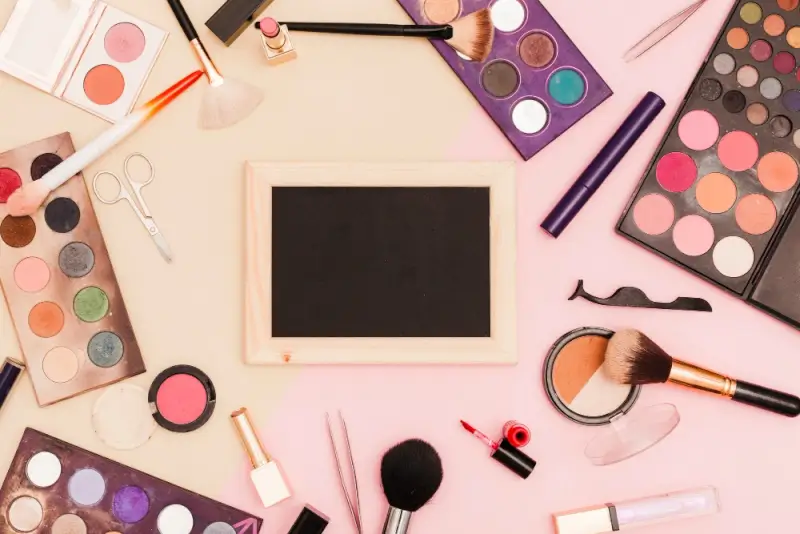
While bold makeup looks trend online, soft and buildable color is what sells in real stores.
Products like blushes, tinted lip oils, and natural eye shades move faster because they fit into everyday routines. These are the kinds of products customers replace again and again.
For a brand, this means less risk. Neutral and flexible shades make it easier to plan a launch without guessing which colors will get stuck in inventory. Manufacturers also prefer these ranges because they reduce slow-moving stock and improve reorder rates.
This is why many beauty startups are shifting away from dramatic statement shades and focusing on wearable color that supports long-term sales rather than short-term attention.
Source: Freepik.
Trend #3: Eye Products Are Back in Production Orders
Eye makeup is becoming a core category again for brands in 2026.
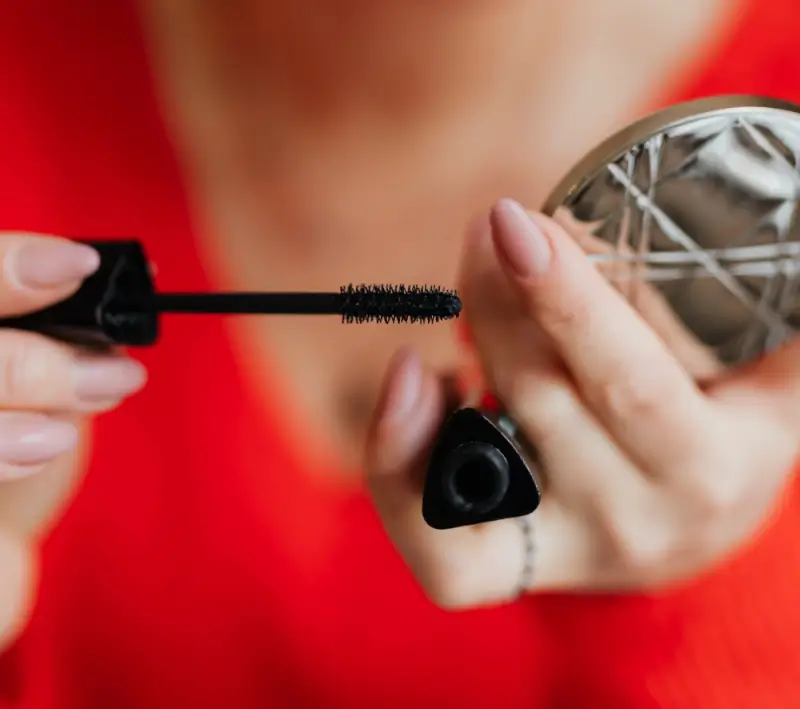
Manufacturers are seeing stronger demand for mascaras, eyeliners, and brow gels because these products are part of daily routines. Customers do not buy them once. They replace them.
For brands, this creates a stable revenue stream. Eye products also have healthy margins and are easy to refresh with new packaging or small formula updates. Once a customer finds a favorite, loyalty tends to be high.
This is very different from social trends like dramatic graphic liner looks, which might go viral but rarely lead to consistent reorders or predictable sales.
Source: Freepik.
Trend #4: Clean, Inclusive, and Compliance-Friendly Formulas
For anyone planning to sell in more than one country, formula compliance is now a sales issue, not just a regulatory one.
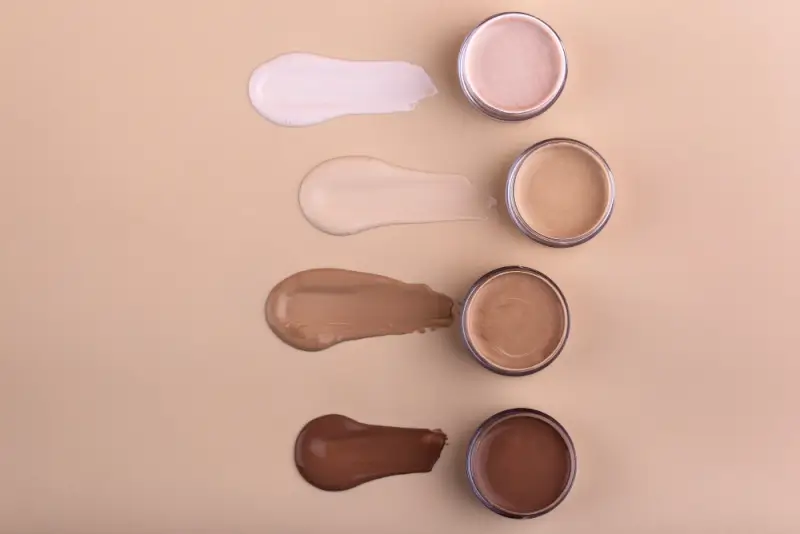
Manufacturers are developing makeup with cleaner ingredient lists, broader shade ranges, and formulas that meet stricter global standards.
When a product can be sold across multiple regions without reformulation, brands can launch faster and expand more easily.
That reduces delays, lowers costs, and makes it simpler to scale internationally. For new beauty businesses, this kind of manufacturing support can make the difference between a slow rollout and a successful global launch.
Source: Freepik.
The Trends Manufacturers Are Quietly Pulling Back From
Some trends create more problems than profit.
Overly complex multi-step makeup routines, ultra-niche shades, and gimmick formulas often require large minimum orders but do not generate steady reorders.
Once the initial interest fades, brands are left with unsold inventory and tied-up cash. This is one of the biggest risks for new cosmetic businesses.
Manufacturers help prevent this by tracking what does not get reordered and warning brands when a trend is likely to stall after one production run.
How Smart Brands Use Manufacturers to Choose Winning Trends
The most successful beauty brands do not rely only on trend forecasts.
They ask their manufacturers what is already scaling. Factories see which formulas are being reordered, which product types are growing, and which shades perform well across different brands.
Smart founders also start small. They test batches, get lab feedback, and fine-tune formulas before placing large orders.
Manufacturers help with packaging choices, cost control, and retail pricing so products can stay profitable without becoming overpriced. This collaboration is what turns a trend into a sustainable business.
Source: Freepik.
Conclusion
Social media shows what looks exciting, but manufacturing orders show what actually sells.
For anyone building a makeup brand in 2026, the smartest trends are the ones being reordered, scaled, and shipped in volume.
By working closely with a cosmetic manufacturer and paying attention to what moves through factories, beauty founders can choose trends that build real businesses, not just short-lived hype.
Disclaimer:
This post may contain affiliate links. I receive a small commission at no cost to you when you make a purchase using my link.