Do you want to scale your travel vlogs and turn each one of them into ten multilingual, SEO-ready assets?
You can do that without a second thought because there’s no need to film extra, come up with different ideas, or even hire voice actors fluent in different languages.
All you need to do is leverage smart tools and repurpose strategies to make one piece of content for your multilingual travel vlog, all customized for different languages, platforms, and user preferences.
This is where text to speech technology and other AI-based tools come in handy. With Murf.AI, for example, you can take written content and transform it into professional voiceovers in dozens of languages, making it now even more accessible and helping you make it resonate better with audiences worldwide.
Murf’s collection of voices includes different languages and accents, helping bloggers and vloggers make narration even more exciting without having to record every single piece every time. Your travel experiences can literally talk in a different language without hiring voice artists.
Now, let’s walk through how a travel video can be expanded into ten separate assets.
10 Fastest Ways to Translate Your Vlogging Content
Source: Freepik.
1. Multilingual Dubbed Video Versions
Start by translating the original vlog into the key languages your audience cares about.
Whether that's Spanish, French, Hindi, or Japanese, AI dubbing and subtitling tools let you produce versions that feel natural and local.
Subtitles and captions in each language also make the video more discoverable in search engines, indexing text they can crawl.
2. Short Social Clips
Most long-form travel vlogs have golden moments inside them that are perfectly suited for short-form clips.
Take out 30 to 60-second highlights of amazing locations, tips, or cultural moments using an AI video editor like Peech or similar.
Each one becomes shareable on TikTok, Instagram Reels, or YouTube Shorts, driving more eyeballs back to your main vlog.
3. Transcription of Blog Post
Source: Freepik.
Turn your video's spoken content into a narrative blog post. The tools that transcribe video into text make this step fast.
Once transcribed, format with SEO in mind: clear headings, keyword placement, and internal links to related travel guides.
4. Audio Podcast Version
Source: Freepik.
With your available transcript and options from Murf’s text to speech voice generation technology, you can create an audio file of your vlog story.
You should post this on either Spotify, Apple Podcasts, or your own website so that your followers can tune in during their commute to and from work or during their workout routine.
By doing this, you are making your travel stories accessible to your target group, who may favor an audio-based story.
5. Infographic Summaries
Try to harvest data points from your vlog, such as walking distances, prices, times to visit, and key phrases, and create a visual infographic from them.
You can use Canva’s AI software to turn your list of bullet points into beautiful graphics, which would look awesome on Pinterest or in your sidebar on your blog.
6. Language-Specific Blog Posts
Source: Freepik.
After you have blog content in one language, proceed to translate it into other languages.
By means of translation tools and cultural localization, you can ensure that idioms and travel tips in blogs can be retained/remain meaningful.
These localized blogs become standalone SEO properties in their markets.
7. Localized Email Newsletter Series
Use portions of the video or blog and structure messages in an email series, each day highlighting your travels at different locations. Use local languages in your email copy, if segmented appropriately.
Source: Freepik.
8. Social Text Threads
Break down your vlog into ‘10 Things I learned’ or ‘Five Hidden Spots in X city’ threads on Twitter or LinkedIn. These threads can drive search traffic to your content as they offer bite-sized info rich in keywords.
9. Q&A or AMA Clip Series
Produce a companion “Ask Me Anything” video where you can address typical questions about your adventure.
Such videos can be self-contained on YouTube or Instagram, focusing on individual queries such as the “best food in Tokyo” or the way to “avoid crowds in Paris.”
10. Downloadable guide or checklist
Source: Freepik.
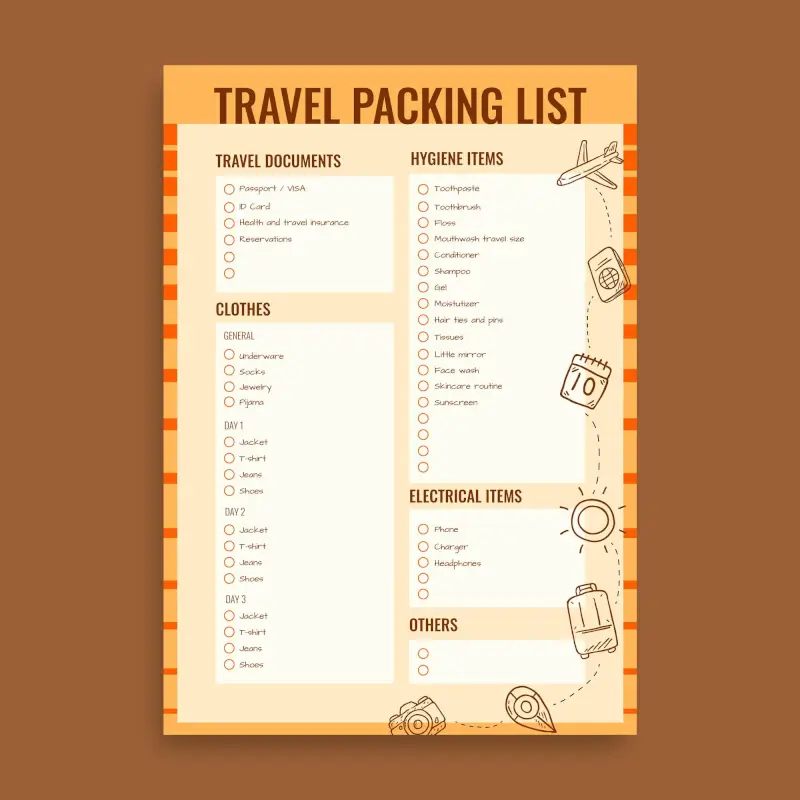
From hotel tips to packing lists, organize all the resources you have discussed in your vlog into a downloadable PDF. Resources like these make for amazing lead magnets and can be searched on your site like another piece of content.
In all these cases, localization, or actual translation, becomes important. This would involve making your resource title, description, and meta tags compatible with a language, reflecting the way people search when using that language.
This local content is something that search engines will reward, since your resource will look native to the reader, increasing your search engine visibility.
The Payoff: Global Search Dominance
Source: Freepik.
And this is where it gets good. A viewer who sees one edition of your vlog in English might share your Spanish edition with a friend.
A reader might find your transcript on Google. A busy commuter might listen to your travel episode on a podcast. Each edition caters to a different activity.
But what this all means for the travel creator is that you are no longer bound by the one type of content that YouTube or your blog originally contained. This one video can now be considered a family of properties that attract attention on any platform, any language, any preference.
That's the multiplier effect. Take your foundation story on travel and multiply it with intelligent tools like text-to-speech capabilities to reach far and wide. Create content that not only tells a story but also attracts viewers from all over the digital map.