Semaglutide has captured attention as a new option for weight management.
Many adults are curious about whether this treatment fits their needs or medical background. It promises real change for those who meet specific health guidelines and have clear goals for improving their well-being.
A good candidate for semaglutide weight loss treatment is someone who meets certain medical criteria and is ready to follow ongoing medical guidance.
Understanding who benefits most from this medication helps set realistic expectations and encourages safe, effective use under a doctor’s care.
Who Is a Good Candidate for Semaglutide Weight Loss Treatment?
Source: Depositphotos.
Adults with a BMI of 30 or higher
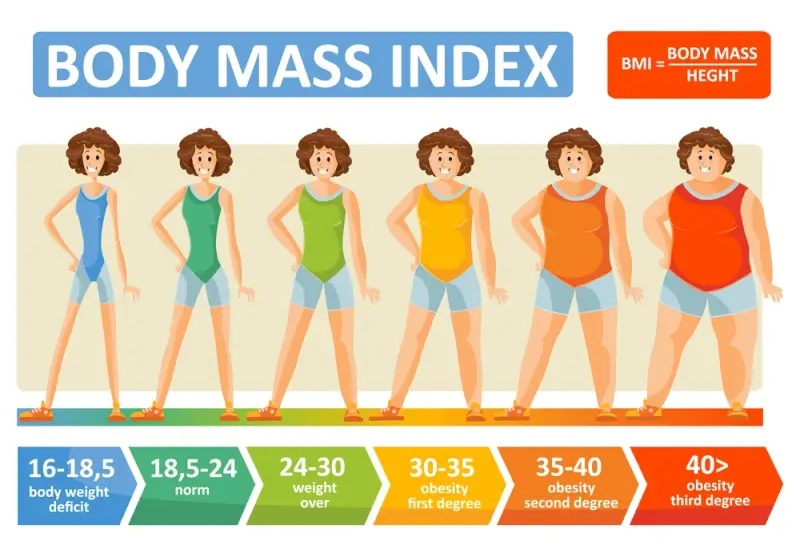
Adults with a body mass index (BMI) of 30 or greater typically meet the standard medical definition of obesity.
For these individuals, semaglutide can serve as a prescription treatment that aids weight loss when used with dietary changes and physical activity. It helps regulate appetite and blood sugar levels, which may reduce calorie intake over time.
Clinicians often suggest semaglutide for adults who have not achieved results through lifestyle habits alone.
Providers may prescribe it as part of a structured program supervised by licensed medical professionals. This approach supports gradual, steady progress instead of quick fixes or fad diets.
Telemedicine services allow eligible adults to receive evaluation, prescription, and medication delivery without visiting a clinic in person. The HCG Institute’s physicians oversee treatment remotely, offering guidance and follow-up to help patients use the medication safely and consistently.
Source: Depositphotos.
Adults with a BMI of 27 or higher and obesity-related health conditions
Adults who have a body mass index (BMI) of 27 or higher and at least one weight-related health issue may qualify for semaglutide treatment.
These conditions often include high blood pressure, high cholesterol, or type 2 diabetes. Each of these problems can increase health risks and make losing weight more difficult without medical help.
Semaglutide can support weight loss efforts for those who have not achieved results through diet and exercise alone.
It works by affecting appetite control, which helps some people eat less and manage calorie intake more consistently. This approach can lead to steady weight reduction over time.
Physicians usually evaluate a person’s health status before prescribing this medication. They consider current conditions, lifestyle habits, and response to past weight management plans.
Proper medical supervision helps reduce side effects and supports safe, effective results.
Individuals struggling with obesity despite lifestyle changes
Source: Depositphotos.
Some people continue to face obesity even after following strict diet and exercise routines. Their efforts may help a little, but weight often returns quickly. These individuals may need additional medical support to achieve lasting results.
Semaglutide can help those whose bodies resist weight loss through lifestyle habits alone. It works by influencing hormones that control appetite and food intake, which can help reduce calorie consumption over time.
This approach may offer added help for people who already practice healthy habits but still experience limited progress.
Healthcare providers usually recommend this therapy for adults with obesity or those who have related conditions such as type 2 diabetes or high blood pressure.
Before starting treatment, a medical evaluation helps confirm if semaglutide is suitable. This step allows patients to understand both the potential benefits and risks involved, creating a more personalized plan to support better weight control.
Patients without personal or family history of medullary thyroid carcinoma
Source: Depositphotos.
Patients who do not have a personal or family history of medullary thyroid carcinoma or multiple endocrine neoplasia type 2 may be suitable candidates for semaglutide treatment.
Current research shows that these individuals face a very low risk of thyroid-related complications from the medication. Therefore, healthcare providers often focus on other factors before prescribing it.
Clinicians still assess each patient’s overall health, including weight, blood sugar control, and other medical conditions.
For many adults struggling with obesity or type 2 diabetes, semaglutide can support weight loss and improve metabolic health.
However, medical supervision remains necessary. The provider monitors for possible side effects such as nausea or vomiting and adjusts the dosage if needed.
Patients without thyroid cancer risks can usually proceed after a careful review, which helps promote safe and effective use of the therapy.
Those willing to commit to regular medical supervision
Source: Depositphotos.
Candidates for semaglutide weight loss treatment must stay consistent with medical check-ins.
Regular supervision helps healthcare providers track progress, adjust doses, and address side effects such as nausea or stomach discomfort. This routine contact supports safe and steady results.
Doctors often recommend follow-up visits every few weeks at the start of treatment. These visits help confirm that patients respond well to the medication.
Over time, appointments may become less frequent but remain an essential part of the process.
People who attend scheduled visits usually have better outcomes. Ongoing supervision allows early identification of potential issues and keeps motivation steady.
Therefore, those who are ready to maintain close communication with their healthcare team tend to gain the most long-term benefit.
This level of commitment shows a patient’s readiness to take an active role in their health. It also builds trust between the patient and provider, which improves overall success with semaglutide therapy.
Conclusion
Source: Depositphotos.
Semaglutide suits adults who have struggled to lose weight through diet and exercise alone and meet specific medical criteria.
It is most effective for those with obesity or excess body weight linked to health problems such as type 2 diabetes or high blood pressure.
Doctors consider each patient’s health history, current weight, and long-term goals before prescribing it. They also check for possible risks or conditions that may make the treatment unsafe.
Therefore, people interested in this option should seek proper medical evaluation instead of self-dosing or using unapproved sources.
With professional guidance, semaglutide can help patients manage weight more effectively and support lasting lifestyle changes. It works best as part of a plan that includes balanced nutrition and regular physical activity.
Disclaimer:
This post may contain affiliate links. I receive a small commission at no cost to you when you make a purchase using my link.