Traveling opens up a world of new experiences, cultures, and memories that can last a lifetime. However, staying safe while you're away from home requires thoughtful preparation and awareness.
Whether you're planning a weekend getaway or a months-long adventure, following essential safety tips for travel can make the difference between a smooth trip and a stressful situation. From securing your home before you leave to protecting yourself while abroad, small precautions go a long way.
In this guide, you'll find practical advice covering everything from travel insurance to document backups and social media safety. These straightforward steps will help you stay prepared for the unexpected.
With the right planning, you can focus less on worrying and more on enjoying your journey. Here's what you need to know before you pack your bags.
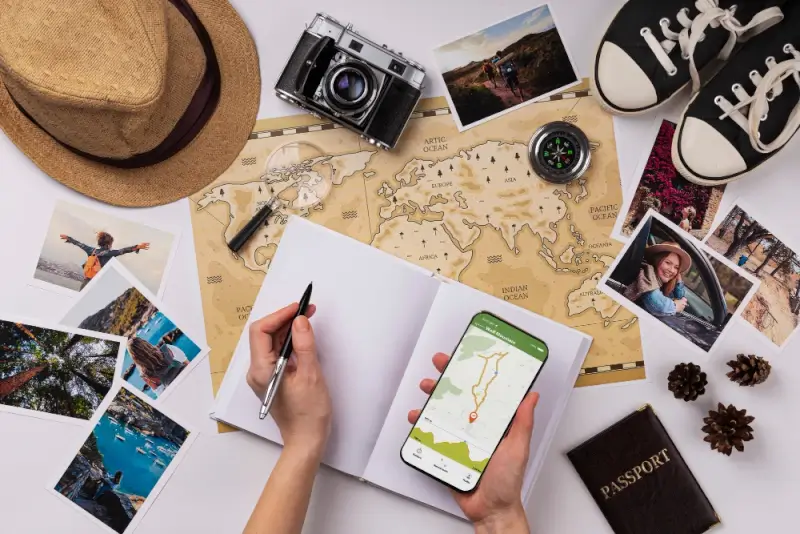
Before you leave on your trip, it is a good idea to research the location you will be visiting and learn about its safety statistics and concerns.
It may not always be easy to learn from an official website, but you can probably find honest information on a travel blogger’s site. For example, you can find a detailed guide on Tokyo safety on one experienced traveler’s personal website.
While everyone will have a different experience and varying reviews and assessments, this is good information to take into account when you are traveling.
Some guidebooks will offer information about which locations are safe during the day or night, and which ones are better left to the daytime only.
Another good source of detailed safety information is usually an experienced travel agent. They will likely have a first or secondhand accounting of a variety of locations.
Source: Freepik.
Secure Your Home
Before leaving home, you should take basic safety precautions to ensure your home is protected and you will have one less thing to worry about while you are away.
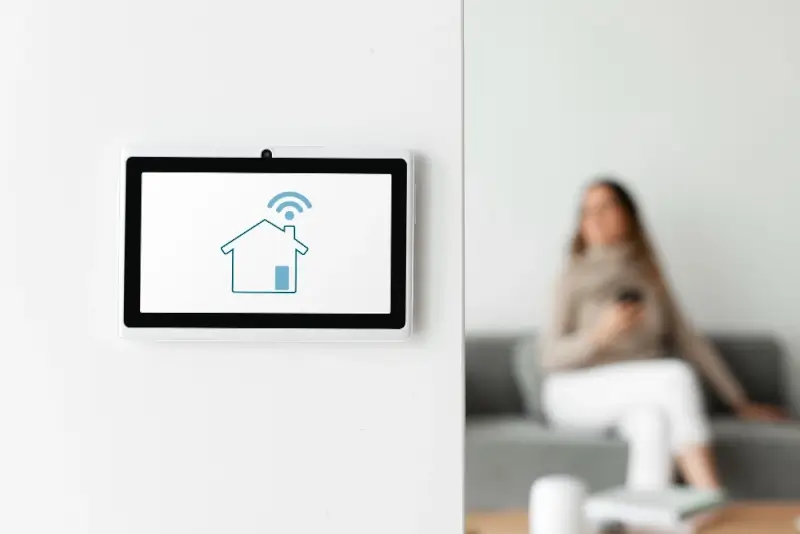
Start by installing or updating a home security system. These systems are easier than ever to install and operate. Download the app on your smartphone, and you can monitor your home in real-time, no matter where you are in the world.
Next, ensure all windows and doors are locked. Set a light or two on a timer to turn on and off at routine intervals, just as you would use them if you were home. Have your post held or ask a neighbor to collect it for you daily.
Finally, ask your neighbor to check the home whenever they come by to pick up the post.
Source: Freepik.
Get Travel Insurance
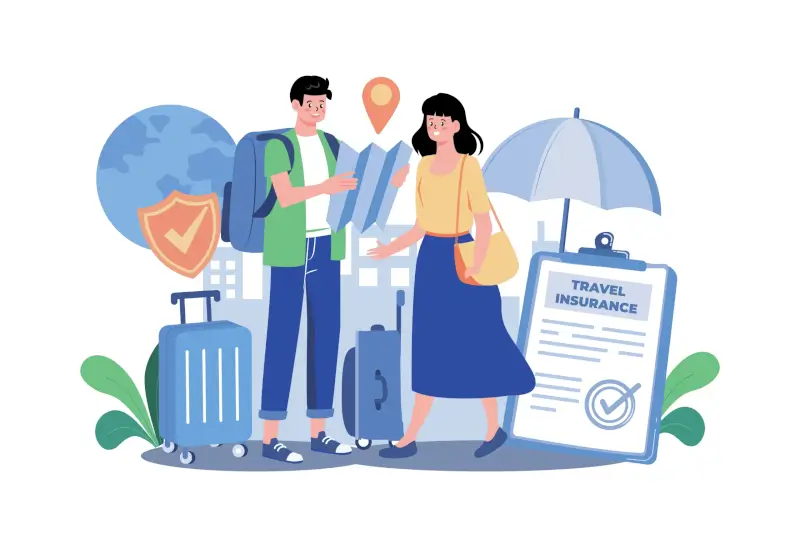
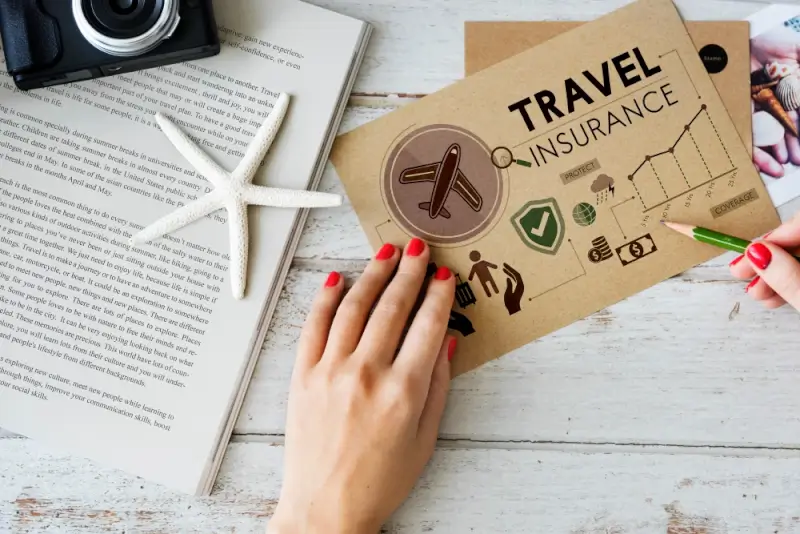
Travel insurance is one of the most important investments you can make before any trip, yet it is often overlooked.
A comprehensive travel insurance policy can cover medical emergencies, trip cancellations, lost luggage, flight delays, and even emergency evacuations. Medical costs abroad can be astronomical, especially in countries without reciprocal healthcare agreements with your home country.
When choosing a policy, read the fine print carefully to understand what is and is not covered. Some policies exclude certain activities like adventure sports, so make sure your coverage matches your travel plans.
Keep your insurance documents easily accessible, both digitally and in print, and save the emergency contact numbers in your phone. This small expense can save you from devastating financial losses if something goes wrong during your trip.
Source: Freepik.
Share Your Itinerary with Someone You Trust
One of the simplest yet most effective safety measures is to share your travel plans with a trusted friend or family member back home.
Provide them with details of your accommodation, flight information, and a rough outline of your daily plans. This way, if something goes wrong or you become unreachable, they will know where you should be and can alert authorities if necessary.
Update them regularly during your trip, especially if your plans change. This small step can make a significant difference in an emergency situation.
Source: Freepik.
Keep Digital and Physical Copies of Important Documents
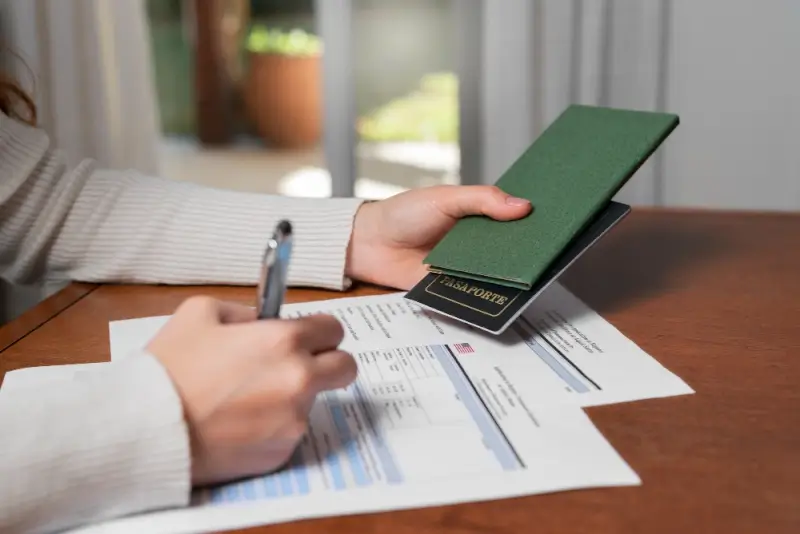
Before you travel, make copies of all your essential documents, including your passport, visa, travel insurance, accommodation bookings, and credit cards.
Keep physical copies separate from the originals in your luggage, and store digital copies in a secure cloud service or email them to yourself. This precaution is invaluable in situations like system outages at the airport, lost luggage, or pickpocket.
Having backup copies means you can still prove your identity and access important information even if your physical documents go missing. It also speeds up the replacement process at embassies or consulates if needed.
Source: Freepik.
Know Local Emergency Numbers
Every country has different emergency contact numbers, and knowing them before you arrive can save precious time in a crisis.
Research and save the local numbers for police, ambulance, and fire services in your phone before you leave. For international travel, it is equally important to have your country's embassy or consulate contact information readily available.
Your embassy can assist with lost passports, legal troubles, medical emergencies, and other serious situations. Program these numbers into your phone and write them down as a backup in case your phone is lost or runs out of battery.
Source: Freepik.
Avoid Oversharing on Social Media
While it is tempting to share every moment of your trip in real-time, broadcasting your whereabouts can make you vulnerable to unwanted attention.
Posting that you are away from home can alert potential burglars that your property is empty. Sharing your exact location can also attract unwanted followers or make you a target for theft while traveling.
Consider waiting until after you have left a location to post about it, or share your experiences only with close friends through private messages. Save the detailed posts and photos for when you return home safely.
Pay Attention to Your Drinks
Source: Freepik.
One of the biggest things you can do for your safety is to be mindful of your drinks.
If you consume alcohol, pay attention to how much you drink and try to avoid drinking too much. Instead, focus on the experience. Regardless of the presence of alcohol, you should never leave your drink unattended.
If you have to go to the bathroom, ask a friend to watch it for you. If you are alone, you can either bring it with you or buy a new one when you return.
Be careful to never accept an already-poured drink from a stranger. When in doubt, consider carrying drug testing strips with you, just in case.
Traveling should be carefree, but that is not the way of the world. Do not allow worrying or fear to prevent you from living your best life and experiencing the world. Instead, do your best to plan and prepare so you can be safe and enjoy the world around you.
Conclusion
Source: Freepik.
Staying safe while traveling doesn't have to be complicated or stressful. By following these essential safety tips for travel, you can protect yourself and your belongings while still enjoying every moment of your adventure.
The key is preparation and awareness. From researching your destination and securing travel insurance to keeping copies of important documents and being mindful of what you share online, each step builds a safety net that lets you travel with confidence.
Remember that being cautious doesn't mean living in fear. These practices simply allow you to focus on the experiences that make travel so rewarding, rather than worrying about what could go wrong.
Whether you're planning your first trip abroad or you're a seasoned traveler, it's always worth reviewing your safety habits. Small adjustments to your routine can make a significant difference in how smoothly your journey unfolds.
Ready to put these tips into action? Start planning your next adventure with safety in mind, and share this guide with fellow travelers who could benefit from these practical reminders. Safe travels!
Disclaimer:
This post may contain affiliate links. I receive a small commission at no cost to you when you make a purchase using my link.