Not every trip leaves a mark. Some journeys fade quickly, while others shape the way you see the world for years to come.
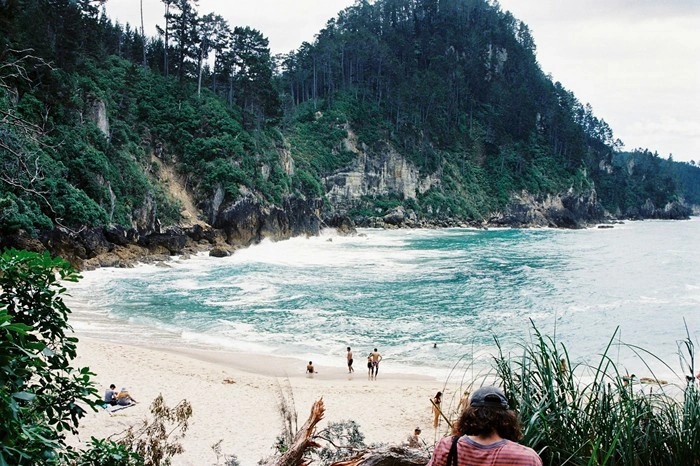
Two people can visit the same city and remember it differently. One may recall a quiet morning walk through an old neighborhood, while another remembers a shared meal, a mountain view, or even choosing a coastal stop like whangamata after reading about New Zealand beach travel and scenic walks.
The most memorable travel destinations are rarely just about the sights. They're about the moments that catch you off guard, the people you meet, and the feelings you didn't plan for.
This post explores exactly what makes certain places impossible to forget — and how understanding that can change the way you travel.
Travel memories are shaped by more than a list of attractions.
People tend to remember emotional peaks, moments of novelty, and the ending of an experience more clearly than average details, much like how travelers may remember a destination through films, travel documentaries, or cinema discovery platforms such as 123movies before seeing it in person.
A destination may include ordinary hours, such as waiting for transport or walking between sites, but one powerful moment can define the whole journey.
For example, a traveler may spend three days in a coastal town and later remember one evening: grilled food near the harbor, music from a nearby square, and the color of the sky before sunset. That single moment can become the emotional anchor of the trip.
Memorable destinations often balance comfort and difference. If everything feels too familiar, the place may blur into daily life. If everything feels too confusing, the traveler may focus more on stress than enjoyment.
5 Factors That Make a Destination Feel Memorable
Source: Unsplash.
1. Strong emotional impact
Emotion is one of the clearest drivers of memory. Awe, calm, joy, curiosity, and gratitude can all make a place stay in the mind.
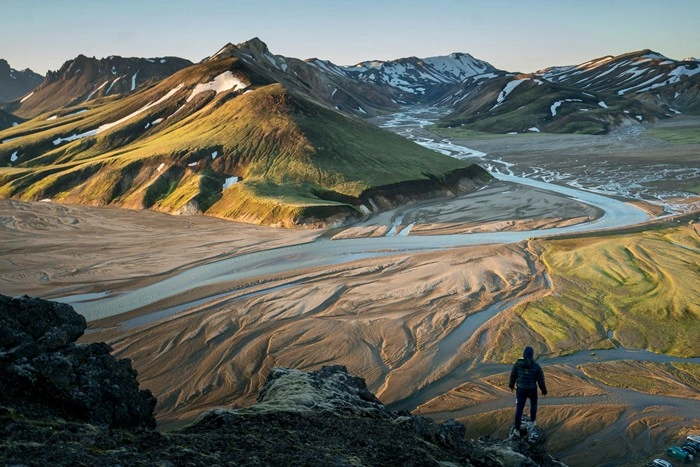
A mountain viewpoint, peaceful garden, historic street, or lively square can become memorable when the traveler feels something strongly there.
2. Sensory richness
Places are remembered through the senses. Distinctive food, local sounds, architecture, weather, scents, textures, and colors all help create a detailed mental picture.
A market with spices, voices, handmade goods, and regional dishes may be easier to remember than a standard sightseeing stop.
Source: Unsplash.
3. Social connection
People often remember people. A destination becomes more meaningful when travelers connect with guides, hosts, residents, or companions. A simple conversation can turn a location into a story.
For instance, visiting a historic district with a knowledgeable local guide can feel different from reading signs alone. The facts may be similar, but the human connection can make the experience warmer and more personal.
Source: Unsplash.
4. Novelty and surprise
Unexpected moments often become the stories travelers tell later. It might be discovering a small café by accident, hearing live music in a plaza, taking a scenic route suggested by a resident, or joining a local activity that was not planned.
Surprise matters because it breaks routine. When a trip includes moments that could not have been fully predicted, the experience feels more personal.
5. Personal meaning
Source: Unsplash.
A destination becomes more memorable when it connects with something the traveler values. Someone interested in food may remember a cooking class more than a museum.
Someone focused on wellness may remember planning meals or activity levels with a TDEE Calculator, while someone who enjoys nature may remember a quiet trail more than a crowded landmark.
Why Participation Matters More Than Passive Sightseeing
Source: Unsplash.
Passive sightseeing can be enjoyable, but participation usually creates deeper memories.
Watching a cultural activity from a distance is different from learning a craft, cooking a regional dish, walking with a local expert, or taking part in a local tradition with respect.
Participation gives the traveler a role in the experience. It also slows attention. When people are actively involved, they notice more details and build stronger associations with the place.
This is why workshops, guided walks, food experiences, nature activities, and small-group cultural visits often feel more memorable than rushed photo stops.
A practical example is a traveler visiting a village known for pottery. Buying a finished piece may be pleasant, but shaping clay with an artisan, hearing how the method is passed down, and feeling the material by hand creates a stronger memory.
Conclusion
Source: Unsplash.
A travel destination feels memorable when it creates a meaningful mix of emotion, sensory detail, connection, novelty, and personal involvement.
Famous landmarks can contribute to this, but they are rarely enough on their own. What lasts is usually a smaller set of vivid moments: a conversation, a taste, a view, a surprise, or a feeling that the traveler cannot easily recreate elsewhere.
For travelers, the lesson is to design trips with space for depth, not just quantity. For destinations and travel operators, the goal is to create experiences that feel authentic, well-paced, and personally engaging.
A place becomes unforgettable not because every moment is perfect, but because a few moments feel real, distinctive, and worth remembering.
Disclaimer:
This post may contain affiliate links. I receive a small commission at no cost to you when you make a purchase using my link.