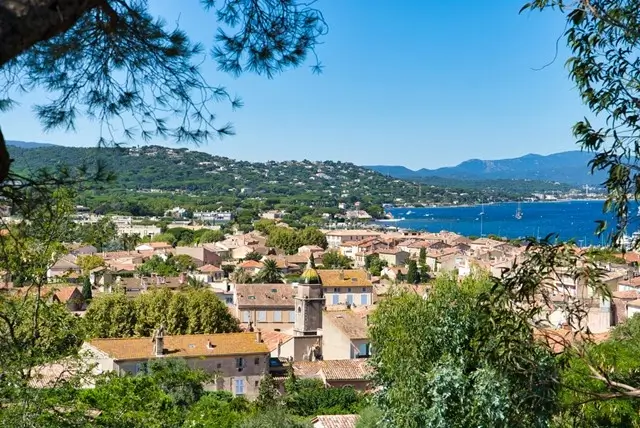
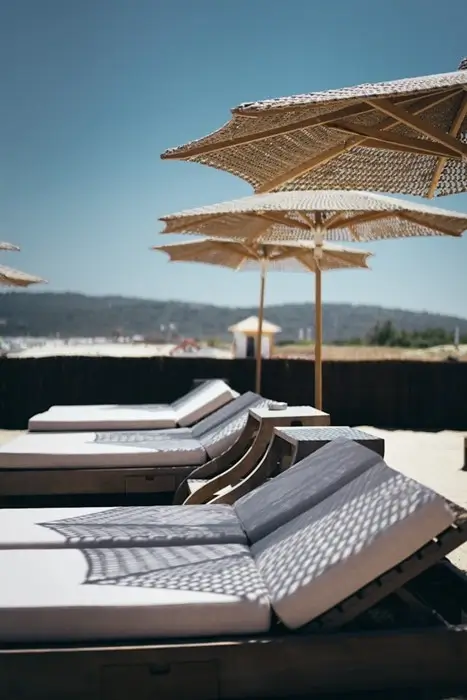
St. Tropez has no shortage of luxury villas. What it has far less of are properties that deliver genuine privacy in St. Tropez — not just in photographs, but in practice.
Most listings lead with the obvious: pools, sea views, polished interiors. What they rarely address is how a villa actually functions once guests arrive — how exposed the outdoor spaces are, how arrival routes are handled, and whether the layout supports a stay without constant friction or visibility.
The difference between a villa that looks private and one that operates privately is significant. It shows up in unexpected places: the approach to the driveway, the sightlines from a neighboring terrace, the way staff move through a property during a long stay.
This guide breaks down what operational privacy actually means in St. Tropez, what to look for before booking, and why the details most guests overlook tend to matter most.
The term “private villa in St. Tropez” is widely used, but rarely defined with precision. In reality, there are three distinct layers of privacy:
Visual privacy: how the property appears in photos
Spatial privacy: the physical distance from neighbors or roads
Operational privacy: how the villa functions during real use
Most listings optimize for the first. St. Tropez villa may look secluded, while still being exposed to neighboring sightlines, road visibility, or nearby pedestrian movement. Spatial privacy improves the situation, but it is still incomplete.
Operational privacy is what actually defines the experience. It includes how guests arrive, how staff move, how outdoor spaces are shielded, and how daily activity flows without interruption or visibility.
This is the difference between a villa that feels private for an hour and one that remains private for an entire stay.
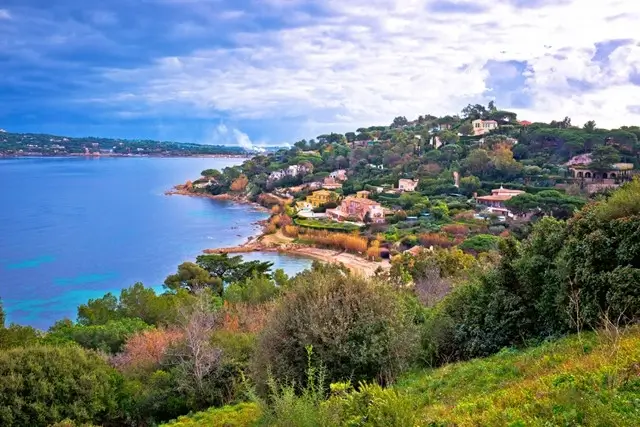
Source: Unsplash.
Why Arrival Routes Matter
For many guests, privacy breaks down before they even step inside the villa. Arrival is one of the most overlooked elements in private villa selection in St. Tropez, yet it often defines the first and last impression of a stay.
A villa positioned on a visible road, or with a shared access route, immediately introduces exposure. Guests may be seen arriving, waiting, or unloading; moments that matter for public-facing individuals or those seeking discretion.
A well-positioned property solves this through:
Discreet arrival routes away from high-traffic areas
Low-exposure positioning with limited line-of-sight from public roads
Clear drop-off logic that allows smooth entry without congestion
Check-in and check-out are frequently the weakest points of privacy. The best St. Tropez villas are designed to eliminate friction here entirely.
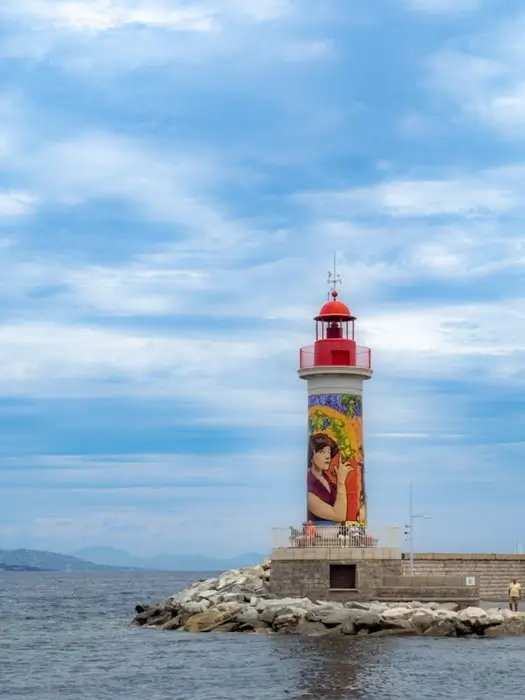
Source: Unsplash.
The Trade-Off Between Pampelonne Access and Exposure
St. Tropez presents a consistent tension: proximity versus privacy.
Being close to Pampelonne Beach, beach clubs, or the town center is often seen as a premium advantage. But in practice, this proximity introduces: increased traffic, higher noise level, greater visibility, and more frequent service interruptions.
This is where many villa choices become compromised. Guests who prioritize discretion often benefit more from beach proximity without exposure, properties that allow easy access when needed, but remain removed from the immediate flow of activity.
Distance, in this context, is not a limitation, but more a filter.
Outdoor Living Is Where Privacy Gets Tested
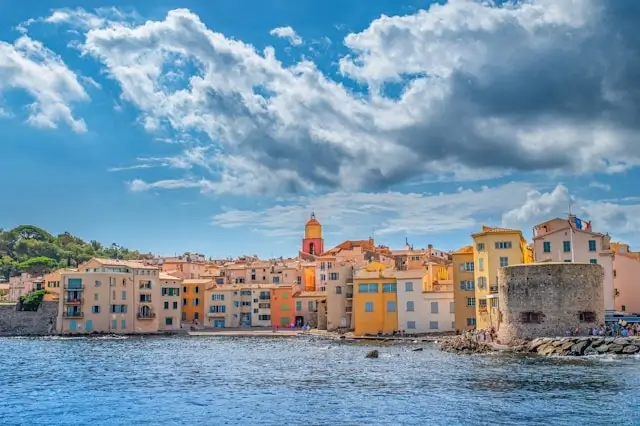
Source: Wikimedia.
Privacy does not stop at the villa entrance. It is most exposed, and most important, in outdoor spaces.
Pool areas, terraces, and dining zones define how a property is actually used. If these areas are overlooked, visible, or poorly shielded, the entire experience shifts.
Key factors include:
Line-of-sight from neighboring villas or elevated positions
Natural buffering through trees, terrain, or architectural design
Shielded outdoor living zones that maintain discretion throughout the day
A villa can have a perfectly designed interior and still fail in outdoor privacy. For most guests, especially those hosting or staying for multiple days, outdoor exposure is the defining factor.
Why Layout and Staff Flow Matter on Longer Stays
Short stays can tolerate minor friction; longer stays cannot. When guests spend several days or weeks in a villa, the internal logic of the property becomes critical.
This includes:
Guest flow – how easily spaces connect and function
Staff circulation – whether the service can operate discreetly
Zoning – separation between guest areas and operational areas
Without proper layout, even high-end villas begin to feel intrusive. Staff movement becomes visible, service interrupts rather than supports, and hosting becomes effort rather than ease.
Well-designed villas solve this with separate service access, a clear back-of-house pathway, and logical transitions between living, dining, and outdoor areas. This is where quiet luxury becomes tangible, not in design, but in how effortlessly everything functions.
Real-World St. Tropez Examples: When Privacy Meets Flexibility
In practice, operational privacy often reveals itself in unexpected ways.
Last summer, we worked with a US-based family staying in a private villa in St. Tropez with a young child and a full-time nanny. Their priority was not only discretion, but flexibility; the ability to move between quiet family time and social moments without friction.
Because the villa was structured correctly, the setup allowed both. The nanny and child remained in a fully independent part of the property, supported by a private chef and dedicated service flow.
At the same time, the guests were able to make last-minute plans each evening, including securing tables at some of the most in-demand restaurants in St. Tropez, often with only hours’ notice, and even coordinating a spontaneous day trip around the Monaco Formula 1 weekend.
Rather than planning it as a fixed part of the itinerary, the day was approached fluidly, with helicopter transfers arranged from St. Tropez, trackside hospitality secured, and a return to the villa the same evening. In most cases, this would be nearly impossible.
But when the villa layout, concierge, staff coordination, and local relationships align, the experience becomes fluid rather than restrictive. Guests can shift between private living and social activity without compromising either. This is where operational privacy extends beyond the property itself.
A 5-Point Checklist Before Booking St. Tropez villa
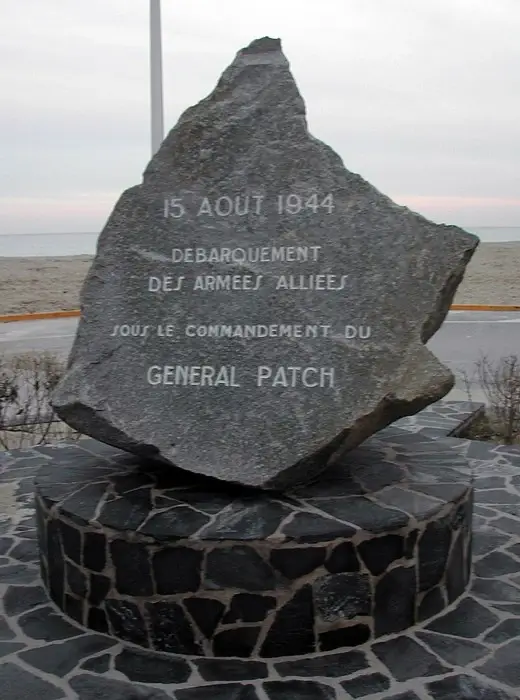
Source: Depositphotos.
For guests evaluating a property, the decision should not rely on imagery alone. A more effective approach is to ask:
How exposed is the arrival route?
Are outdoor spaces overlooked from any angle?
Is the villa quiet during peak times?
Does proximity to key locations create friction?
Is the layout built for discreet service and natural guest flow?
When a Villa Becomes a Private Base for Everything
One of the clearest examples of how villa living in St. Tropez actually functions in practice came from a multi-generational group we worked with last season. The brief wasn’t simple.
Part of the group wanted a classic St. Tropez experience, beach clubs, DJ lineups, long lunches that turn into evenings. The other part of the group was traveling with children, nannies, and security, with a completely different daily rhythm. Most setups would force a compromise, but this one didn’t.
The villa was structured as a true private base, allowing both experiences to exist simultaneously without overlap.
While some guests moved daily between Pampelonne beach clubs, following specific DJ schedules and securing high-demand tables in advance, others remained within the property, supported by dedicated childcare, private chefs, and a fully separate service flow.
Movement between the two was constant. Guests would shift from beach clubs back to the villa, from private dinners into late evenings out, without disruption or exposure. Security, transport, and timing were all managed in the background, allowing the experience to feel fluid rather than scheduled.
At one point, the group requested last-minute access to multiple fully booked venues across the same weekend, something that, on paper, simply isn’t available in peak season. Through the right local coordination and relationships, every request was accommodated without friction.
What made the experience work wasn’t just the villa. It was the ability to operate it as a controlled environment, one that could support a high-energy social itinerary and a private family stay at the same time.
This is where St. Tropez villas move beyond accommodation and become infrastructure for a completely different way of living.
Conclusion
Source: Unsplash.
St. Tropez will always offer exceptional villas. What varies is how well they support the way guests actually live within them.
For some, proximity and visibility are part of the appeal. For others, the priority is control over movement, access, exposure, and daily rhythm. The distinction is rarely obvious at first glance.
It becomes clear through smaller details: how a property is approached, how outdoor spaces are positioned, how staff and guest flow interact, and how easily the villa adapts to different needs over the course of a stay.
A more effective way to evaluate villas in St. Tropez is to look beyond surface-level features and consider how the property functions in practice.
If you are comparing options, it’s worth taking a closer look at how different villas perform in terms of privacy, access, and operational flow, not just how they appear.
Disclaimer:
This post may contain affiliate links. I receive a small commission at no cost to you when you make a purchase using my link.